 Plantico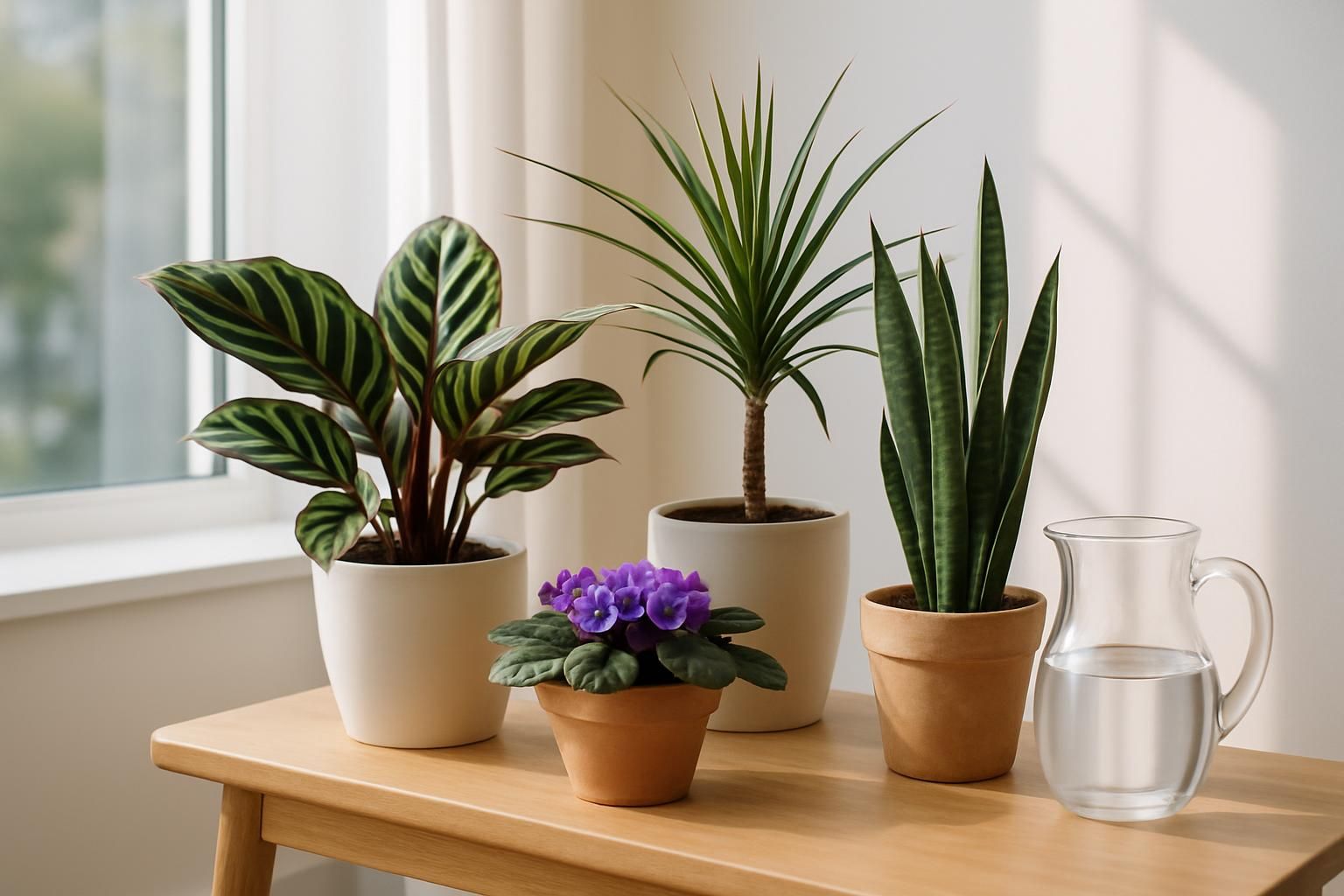
If you keep seeing brown tips, crispy edges, or a white crust on your potting mix, your water might be part of the problem. Houseplants live in a small volume of soil where minerals and additives from water can build up. This guide explains how tap, rain, filtered, and distilled water affect different plant types and gives you clear steps to prevent damage. If you are unsure what species you have, you can identify a plant from a photo in Plantico before adjusting your routine.
Why Water Quality Matters Indoors
Unlike outdoor plants, potted houseplants cannot flush away dissolved minerals easily. Over time, salts from hard tap water and fertilizers can accumulate in the soil. Some plants handle this without fuss, while others react with brown tips, leaf edge burn, or distorted growth.
Common water factors that affect plants:
- Hardness (calcium and magnesium): leaves behind white deposits and raises soil salts.
- Chlorine or chloramine: added to tap water for disinfection; usually fine for tough plants but can irritate sensitive species.
- Fluoride: present in some tap supplies; Dracaena and spider plants can show burned tips from it.
- pH: influences nutrient availability; most houseplants tolerate a broad range, but extremes cause issues.
Examples of sensitivity:
- Calathea, Maranta, Stromanthe (prayer plants) and some Alocasia: often show tip burn and crispy margins from mineral buildup or chlorine/chloramine.
- Dracaena and Chlorophytum (spider plant): can react to fluoride with brown tips.
- Peace lily, Anthurium, African violet, and many orchids: prefer lower mineral water; white crust or dull leaves often point to buildup.
- Snake plant, ZZ, pothos, and Hoya: generally tolerant of tap water; still benefit from an occasional flush to prevent salts accumulating.
Know Your Water: Hardness, Chlorine, and pH
You do not need lab equipment to make better watering choices. Start here:
- Check your city’s water report for hardness and disinfectants. If you cannot find it, a simple TDS (total dissolved solids) pen can give a rough idea of mineral content.
- Chlorine usually dissipates if tap water stands uncovered for 24 hours. Chloramine does not; a carbon filter labeled for chloramine helps.
- Hard water leaves white spots on pots and trays and a crust on soil. Sensitive plants do better with filtered, rain, or distilled water.
- Use room-temperature water (tepid) to avoid chilling roots.
Remember that watering frequency and volume also influence salt buildup. For help dialing in your schedule, see how often to water houseplants.

Best Water Options by Plant Type
Match your water to your plant’s tolerance. Use this as a practical baseline and adjust based on your local tap quality and plant feedback.
- Calathea, Maranta, Stromanthe: Prefer rain, distilled, or reverse osmosis (RO). If using tap, run it through a carbon filter and flush the pot monthly. Keep the top 2–3 cm slightly moist but not soggy.
- Alocasia and Anthurium: Use filtered or rainwater when possible. Allow the top 2–4 cm of soil to dry between waterings. Flush with clean water every 4–6 weeks to remove salts.
- Dracaena (including cane types) and Spider plant: Avoid high-fluoride water. Filtered, rain, or distilled is safest. If you only have tap, mix 50:50 with distilled and flush soil monthly.
- Peace lily: Likes softer water. Use filtered or rainwater. Water when the top 2–3 cm are dry; do a thorough flush every 4–6 weeks.
- African violet: Use room-temperature, low-mineral water (rain, distilled, or filtered). Bottom-water and pour off excess after 20–30 minutes.
- Orchids (Phalaenopsis, Oncidium, etc.): Prefer low-mineral water. Use rain, distilled, or filtered. Soak the bark thoroughly, then drain completely; avoid leaving water in crowns.
- Pothos, ZZ plant, Snake plant, Hoya: Generally tolerant of tap, especially if not extremely hard. Allow the top half of the pot to dry (ZZ and Snake plant) or top 3–5 cm (pothos, Hoya) before watering. Flush every 1–2 months.
- Cacti and succulents: Usually tolerant of harder water, but salts still build up. Water deeply, then let soil dry fully. Every few months, flush the pot with low-mineral water to rinse residues.
- Ficus (e.g., fiddle-leaf fig): Moderately tolerant. Tap water is fine if not very hard; filter if you see crusting or tip burn. Water when the top 4–6 cm are dry and ensure good drainage.
Practical Fixes If Tap Water Causes Problems
If your plants react badly to tap water, try these steps before overhauling your setup:
- Pre-fill and rest: Fill your watering can the day before to let free chlorine off-gas. This will not remove chloramine.
- Use a carbon filter: A pitcher or inline filter labeled to reduce chlorine and chloramine helps sensitive plants. Replace filters as directed.
- Mix to dilute: Blend tap and distilled or RO water (for example, half and half) to lower mineral load without going fully distilled.
- Use rainwater when available: Collect safely and strain out debris. See the rainwater tips below.
- Leach the soil: Every 4–6 weeks, water with 2–3 times the pot’s volume until water runs freely from the drain holes, then let it drain fully. This washes out accumulated salts.
- Repot if crusted: If you see a white crust on soil or pot rims, repot into fresh mix and rinse the pot before reusing.
- Rinse foliage: For plants that tolerate it (not fuzzy-leaf types like African violets), a gentle shower can remove residue from leaves.
- Mind fertilizer strength: Use a balanced liquid feed at half the label rate during active growth, and always water lightly with plain water between feedings.
How to Collect and Store Rainwater Safely
Rainwater is naturally soft and ideal for many sensitive plants when collected carefully.
- Use a clean, covered container to keep out debris and insects. A simple mesh or lid works.
- Let the first short rain rinse your collection surface, then start collecting to reduce dust and residues.
- Avoid collecting from roofs treated with copper-based or other biocidal coatings.
- Strain through a fine sieve or cloth before use to remove particulates.
- Store in a cool, dark spot and use within a week for best freshness.
- Label the container and keep it out of reach of children and pets.
Avoiding Mineral Buildup and Tip Burn
Water quality problems often show up as:
- Brown, papery tips or edges (common in prayer plants, Dracaena, spider plants).
- White crust on soil surface or pot rims.
- Leaf yellowing starting at tips along with crusting in the pot.
These symptoms can overlap with other issues like underwatering, overwatering, or disease. For help comparing patterns and photos, see our guide on brown spots on leaves. Also revisit your timing and volume with how often to water houseplants to rule out moisture stress.
Prevention checklist:
- Choose suitable water for sensitive species (rain, distilled, or filtered).
- Flush pots regularly, especially if you fertilize or have hard water.
- Avoid letting fertilizer salts concentrate in self-watering reservoirs; refresh and flush periodically.
- Use airy, free-draining mixes that let you water thoroughly without waterlogging.
- Empty saucers after watering; do not let pots sit in runoff.
- Consider unglazed clay pots for salt-prone plants; they allow salts and moisture to move through the walls, then wipe off deposits periodically.
Conclusion
You do not need perfect water to grow great houseplants. Start by learning how hard your tap water is and which disinfectant it uses. Match water types to plant sensitivity: tougher plants like pothos, ZZ, and snake plant usually handle tap water, while prayer plants, Dracaena, orchids, African violets, peace lilies, and many aroids do better with rain, filtered, or distilled. Flush pots regularly, fertilize lightly, and watch for early signs like crusty soil and browning tips. If you are unsure which plant you have or whether damage is mineral-related, Plantico can help you identify your plant and track what water type works best over time. A few small changes to water quality and routine often turn persistent tip burn into healthy new growth.