Blog

  • Starter Plants for Renters: Easy, Low Maintenance Indoor

    Starter Plants for Renters: Easy, Low Maintenance Indoor

    Choosing the Right Starter Plants for Renters

    Selecting the right greenery is the first step toward a thriving indoor garden in a rental. Start with forgiving, compact plants that tolerate variable light and occasional neglect, and choose containers that won’t damage walls or floors. In this chapter, you’ll discover how to pick five beginner-friendly species, how to pace your purchases to fit a tight schedule, and how to set up a simple, damage-free display that looks intentional rather than makeshift. We’ll also cover practical decisions about drainage, potting mixes, and lightweight containers that won’t weigh you down when you move. With renters in mind, the emphasis is on low-maintenance, high-joy plants that maximize impact with minimal risk.

    • Snake Plant (Sansevieria) – incredibly hardy, tolerates low light and irregular watering, ideal for forgetful moments.
    • Pothos (Epipremnum aureum) – fast-growing, versatile, thrives in medium to low light; great as a hanging or trailing plant.
    • Spider Plant (Chlorophytum comosum) – adaptable, child- and pet-friendly, easy to propagate from offshoots.
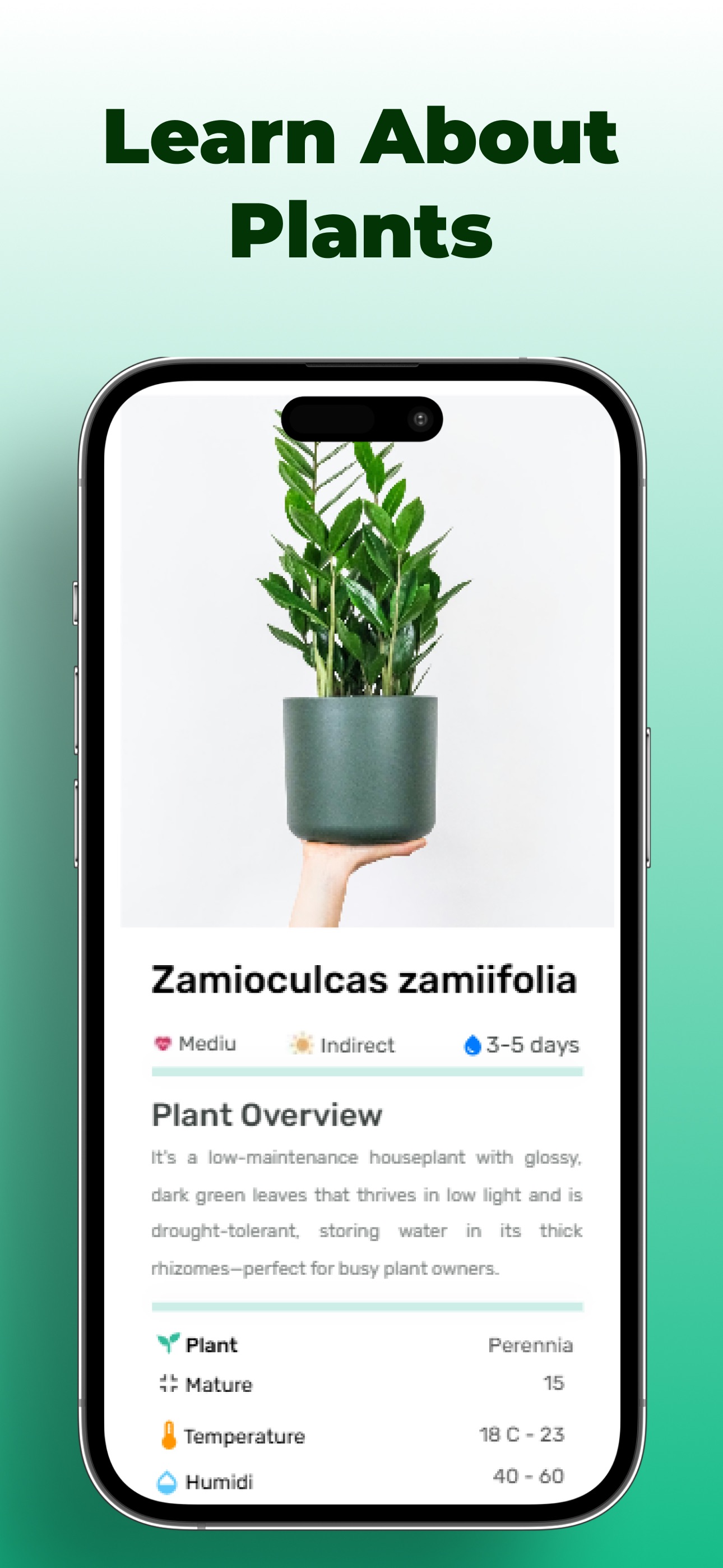
    • ZZ Plant (Zamioculcas zamiifolia) – drought-tolerant, stands up to neglect, handles bright or dim rooms.
    • Peace Lily (Spathiphyllum) – forgiving with consistent moisture, adds elegance with its blooms in brighter spots.

    No experience required for beginners. Start small, build confidence, and enjoy the process.

    App Card

    Smart Setup and Light Mapping for Rentals

    Light is the currency of plant health in a rental, where window access and apartment orientation often change with each unit. This chapter explains how to map available light, create flexible zones, and set up a growth-friendly environment without making permanent alterations. You’ll learn to categorize spaces by light level (bright indirect, medium, and low), position plants to maximize photosynthesis, and choose lightweight, breathable containers that align with portable shelving and temporary hooks. We’ll also cover renter-friendly display ideas—such as freestanding carts, window-height shelves, and removable wall solutions—that let you curate an inviting jungle without drilling or damage.

    • Assess light by tracking sun exposure for a workday; place sun-loving plants near bright windows and drought-tolerant species in lower-light spots.
    • Use portable shelving and rolling carts to relocate plants between rooms or apartments as needed.
    • Opt for plastic or resin pots with drainage to reduce weight and make swaps effortless.
    • Label zones for water and care to keep routines simple and consistent.

    Watering Wisely and Protecting Your Deposit

    Water is the most common source of plant stress and the easiest to control with a rental-friendly routine. This chapter outlines practical watering strategies that prevent overwatering, root rot, and soggy floors. Learn how to check soil moisture without guesswork, adopt a simple watering schedule aligned with plant type and season, and implement drainage solutions that keep pots and tabletops dry. We’ll explore self-watering options, saucer protections, and humidity considerations for species that crave a bit more moisture. Finally, you’ll get quick guidance on pest prevention and quick fixes for common issues like yellowing leaves and edge browning, which can be especially tricky in reused apartments.

    • Finger-test soil moisture before watering; most houseplants prefer the top inch to dry out between sessions.
    • Ensure pots have drainage and use a tray or saucer to protect furniture; consider self-watering pots for busy weeks.
    • Group plants with similar watering needs to streamline care and reduce mistakes during travel or work trips.
    • Inspect leaves for signs of pests and increase air circulation to keep problems at bay.

    Styling, Mobility, and Long-Term Growth in a Rental

    Designing with a rental mindset means balancing aesthetics, flexibility, and future moves. This final chapter bridges care with decorating—teaching you how to create cohesive plant zones, combine varying heights, and choose decor-friendly vessels that won’t leave a mark when you relocate. Discover strategies for temporary installations that look intentional, such as modular plant stands, vertical planters, and removable wall-mounted shelves that can be taken down without damage. We’ll also discuss how to track progress, schedule seasonal refreshes, and plan for growth so your space remains vibrant as you renew leases or move to a new place.

    • Use odd-number groupings (three, five) to create natural focal points and visual interest.
    • Combine different textures—glossy leaves, matte planters, and natural wood—to elevate the space.
    • Invest in lightweight, stackable stands and portable planters for easy reconfiguration.
    • Keep a plant care log to monitor watering, light, and growth—great for new renters uncertain about schedules.

    Conclusion

    Renters can achieve a thriving, stylish indoor garden with a thoughtful, scalable approach. By starting with forgiving starter plants, mapping light, and embracing temporary, damage-free setups, you can enjoy greenery without risking your deposits or walls. Care routines become simpler when you group plants by needs, use flexible containers, and keep display options mobile. As you gain confidence, your rental space can transform into a lush, personalized oasis that reflects your lifestyle and supports wellbeing. Embrace experimentation, don’t be afraid to restart, and enjoy the journey.

  • Productive Home Office Plants for Beginners

    Productive Home Office Plants for Beginners

    Creating a productive home office often means more than a desk and a laptop. Houseplants bring life, improve air quality, and can boost focus and mood—without demanding a lot of time. For beginners, the key is selecting resilient varieties that tolerate common office conditions and building a simple care routine. In this guide, you’ll learn how to match plants to light, choose beginner-friendly species, and implement a practical watering plan that fits a busy schedule. We’ll also discuss budget-friendly options, basic styling tips, and quick troubleshooting so your workspace feels calm and inviting from day one. Read on to discover practical steps that help you grow green momentum at work.

    Assessing Your Space: Light, Space and Water in a Home Office

    Before you buy a plant, map the conditions of your workspace. Light is the main driver of plant health in an office, followed by how easy it is to water and repot. Consider these checks:

    • Light exposure: determine if your area is bright indirect, medium, or low light and note window direction (south-facing rooms usually have more sun, east/west offer gentler light).
    • Watering access and drainage: ensure there’s a place to water without creating mess and that pots have drainage holes.
    • Space and placement: measure desk height, available shelf space, and room for trailing plants or tall specimens.
    • Temperature, drafts, and airflow: avoid cold drafts, heaters, or overly humid corners; most office plants prefer stable temperatures around 65–75°F (18–24°C).

    Beginner-Friendly Plants That Thrive in Office Environments

    • Sansevieria trifasciata (Snake Plant) — ultra-tolerant, handles low to bright indirect light, and only needs water every 2–3 weeks when dry.
    • Zamioculcas zamiifolia (ZZ Plant) — thrives in low light and dry spells; ideal for forgetful waterers.
    • Epipremnum aureum (Pothos) — versatile trailing vine; tolerates varying light, water when the top inch of soil is dry.
    • Chlorophytum comosum (Spider Plant) — forgiving and adaptable, loves bright indirect light, water moderately.
    • Spathiphyllum (Peace Lily) — performs well in medium light, rewards you with blooms; keep soil lightly moist but not soggy.

    Plantico app card

    Simple Care Routines: Watering, Light, and Potting Basics

    Adopt a straightforward care routine that minimizes guesswork. Start with a simple watering rule: water thoroughly when the top 1–2 inches of soil feel dry, and never let pots sit in standing water. Use pots with drainage to prevent root rot, and consider a moisture meter if you’re unsure. Place plants in spots that align with their light needs, rotating pots every few weeks so they receive equal exposure. Clean leaves monthly to maximize photosynthesis and reduce dust that can block light. Fertilize sparingly—once a month during active growth with a balanced, water-soluble fertilizer diluted to half strength. This approach keeps beginners from overwatering and overwhelmed by maintenance.

    Design and Productivity: Arranging Plants for Focus and Style

    Turn greenery into a productivity booster by arranging plants to complement your workflow. Create layered visuals with tall floor plants at the back or corners, medium-height specimens on shelves, and compact desk plants within arm’s reach. Trailing varieties can drape from shelves, freeing desk space while adding texture. Use neutral pots with a few accent colors to tie into your office palette, and group plants in odd numbers for a natural feel. Regularly dust leaves to keep them glossy and efficient at photosynthesis. A thoughtful layout reduces desk clutter, increases perceived space, and subtly signals a calm, focused work environment.

    Conclusion

    In summary, beginners can transform a home office with a small selection of hardy plants chosen for light, space, and maintenance needs. Start with a few resilient species, establish a simple watering schedule, and arrange them in a way that supports your daily routine and aesthetic preferences. By assessing your space first, you’ll minimize guesswork and choose plants that fit naturally into your work life. Regular care—clean leaves, modest feeding, and polite rotations—will keep your greens thriving without overwhelming your schedule. Embrace the greenery as a steady, affordable upgrade to productivity, well-being, and the overall look and feel of your workspace.

  • Beginner Guide to Houseplants: Friendly First Plants

    Beginner Guide to Houseplants: Friendly First Plants

    Introducing Houseplants for Plant Lovers in Training: A Beginner’s Guide

    Welcome to a practical guide for plant lovers in training. If you’re just starting with houseplants, the world of light, watering, soil, and pests can feel daunting. This article focuses on four connected chapters that build confidence: choosing friendly beginner plants, mastering core care, spotting and solving common problems, and growing your collection with a simple plan. You’ll learn how to pick forgiving species that thrive in typical homes, how to create a simple care routine, what signs indicate stress, and how to track progress so your indoor jungle expands without chaos. By the end, you’ll have a clear path from first plant to a blooming, low-stress collection you can genuinely enjoy.

    Choosing Your First Houseplants: Start with the Friendly Few

    For beginners, the best starting lineup includes plants that forgive irregular watering, tolerate lower light, and recover easily from mistakes. These species become your training wheels, teaching you to observe, measure, and adjust without dramatic consequences.

    • Snake Plant (Sansevieria trifasciata) — thrives in low to bright indirect light and dries out between waterings.
    • Pothos (Epipremnum aureum) — climbs or trails, tolerates imperfect watering, and comes in many variegations.
    • ZZ Plant (Zamioculcas zamiifolia) — drought-tolerant and slow-growing, great for forgetful weeks.
    • Spider Plant (Chlorophytum comosum) — forgiving, baby plantlets, and prefers bright, indirect light.
    • Peace Lily (Spathiphyllum) — shows clear signs when thirsty and rewards with blooms in proper light.

    Core Care Essentials: Light, Water, Soil, and Drainage

    Light is the first language your plants speak. Most beginners do well with bright, indirect light, but some adjustable plants tolerate dim corners. Observe leaf color and growth as clues. Watering is the second pillar; many issues stem from overwatering. A simple rule is to water when the top inch of soil feels dry, and ensure pots have drainage holes. Use a light, airy potting mix with perlite or pumice for drainage. Pots without drainage invite root rot, so choose containers with a tray or saucer to catch excess moisture. Rotate plants every few weeks to encourage even growth. Place a humidifier or tray of damp pebbles for species that appreciate higher humidity.

    Plantico App Card

    Soil matters: use a well-draining mix rather than heavy garden soil. For qualities like pest resistance and plant health, keep the root zone aerated and not waterlogged. Choose the right pot size—about one to two inches larger than the root ball—and refresh soil every year or two when repotting.

    Common Challenges and Troubleshooting for Trainees

    Avoid the most common pitfalls: underwatering signs include droopy leaves that recover after watering; overwatering shows yellowing leaves and a musty smell. Pests like spider mites and scale can appear quickly in dry indoor air; wipe leaves with a damp cloth and consider insecticidal soap if needed. If growth stalls or leaves pale, assess light, watering, and fertilization. Root rot is a silent killer; if the soil stays soggy, trim the rotted roots and replant in fresh mix with proper drainage. Creating a simple diagnostic routine—monthly checks of moisture, light, and leaf condition—helps you catch problems before they escalate.

    From Starter Set to Personal Collection: Planning and Maintaining Your Indoor Jungle

    Develop a plan that grows with you. Start with 4–6 beginner plants and track their progress in a simple care calendar: note watering days, fertilization, and any changes in light across seasons. Expand gradually by choosing plants with similar care needs to reduce routine shifts. Label pots with plant name and care notes to reinforce memory. Schedule quarterly repotting, clean leaves to maximize photosynthesis, and rotate plants to keep growth balanced. Finally, cultivate observation skills: tiny changes in leaf color, new growth, or slowed growth tell you when to adjust light, water, or humidity. A deliberate, paced approach keeps your indoor garden thriving and enjoyable.

    Conclusion

    Starting with forgiving plants and a simple care routine gives beginners a solid foundation. By focusing on light, water, soil, and drainage, you learn to read plant signals rather than chase generic schedules. A small starter collection reduces overwhelm while building confidence to troubleshoot problems as they arise. Regular observation—note how leaves respond to seasonal light changes, or how quickly soil dries after watering—transforms care from guesswork into an informed habit. As you expand your collection, group plants with similar needs, maintain a simple calendar, and celebrate small wins that demonstrate progress. With patience and consistent practice, your training period becomes a joyful, lifelong relationship with green roommates.

  • Beginner friendly houseplants for a cozy home

    Beginner friendly houseplants for a cozy home

    Choosing the right plants for a cozy home

    When you’re building a cozy, welcoming space, plants are the natural decor that brings warmth, texture, and life. The goal for beginners is to pick species that are forgiving and fit your routine, not demand perfection. Start by assessing your space: how much natural light does each area receive, how much time you want to dedicate to plant care, and whether pets or children are around. From there, you can curate a small, versatile collection that stays healthy with minimal effort. In this chapter, we’ll outline practical criteria for selecting plants that feel effortless yet comforting—a foundation for a home that looks lived-in and cared for, not cluttered or stressful.

    • Pothos (Epipremnum aureum): excellent for low to bright indirect light; tolerates imperfect watering; thriving as a hanging or climbing plant.
    • Snake plant (Sansevieria): highly drought-tolerant; survives neglect; great for beginners and low-light corners.
    • ZZ plant (Zamioculcas zamiifolia): resilient, with glossy leaves; handles dry air and infrequent watering well.
    • Spider plant (Chlorophytum comosum): forgiving with consistent moisture; loves bright but indirect light and children-friendly.
    • Philodendron varieties: adaptable to varied light; fast-growing and visually calm with heart-shaped leaves.
    • Peaceful, compact varieties like calathea or peperomia offer texture without demanding setups, ideal for starting groups.

    When choosing, consider potting mix, drainage, and a simple care routine that you can repeat weekly. A few well-chosen plants in the right spots can anchor a room and create the cozy vibe you’re after without feeling overwhelming.

    Light, humidity, and temperature: the trio of care

    Plants don’t just sit in space; they respond to the environment around them. Understanding light, humidity, and temperature helps you predict how a plant will behave and what adjustments are needed. In cozy homes, this trio often defines success more than any specific species. You’ll want to map each plant to its preferred light level, manage humidity in rooms with dry air, and maintain a stable temperature that avoids drafts.

    • Light: prioritize bright indirect light for most tropicals; low-light plants can survive in dim corners but will grow slower.
    • Humidity: group plants, use pebble trays, or employ a humidifier in drier rooms to prevent leaf edge browning.
    • Temperature: keep indoor temps between 60–75°F (16–24°C); avoid sudden drafts from windows or doors.

    Watering should align with light and temperature: when top inch of soil is dry for most species, it’s usually time to water. Adjust frequencies in winter when growth slows. Clean leaves periodically to maximize photosynthesis and deter pests, and rotate pots to promote even growth. Thoughtful placement—like grouping plants on a shelf or near a window seat—can create microclimates that feel intimate and cozy rather than clinical.

    App Card

    Beginner-friendly species and how to care for them

    Having a dependable set of starter plants reduces overwhelm and keeps your goals in sight: easy maintenance, steady growth, and a welcoming look. This chapter dives into practical care routines for each beginner-friendly species, translating general advice into concrete steps you can follow weekly, monthly, and seasonally. You’ll learn how to identify common issues early, adjust watering and light as plants grow, and propagate modestly to expand your collection without a steep learning curve. By focusing on a few reliable performers, you’ll quickly build confidence and enjoy the rewarding experience of nurturing living decor that grows with you.

    • Pothos: water when the top inch of soil dries; tolerate various light levels; trim leggy vines to encourage fullness.
    • Snake plant: allow soil to dry completely between waterings; thrives in bright indirect light or low light; blemishes usually indicate overwatering.
    • Spider plant: keep evenly moist during growing season; bright indirect light helps offsets form; rotate to keep even growth.
    • ZZ plant: drought-tolerant; water sparingly; prefers bright indirect light but tolerates lower light; avoid overwatering to prevent root rot.
    • Peace lily (Spathiphyllum): handles lower light; keep soil lightly moist and mist occasionally for humidity; blooms add a gentle elegance.

    As you care for these, observe how they respond—new leaves, growth rate, and color changes signal if you’re on the right track. With routine checks, you’ll gain a reliable sense of when to water, prune, or rotate, turning plant care from a guess into a practiced habit that supports a cozy home aesthetic.

    Styling and maintenance for lasting coziness

    Style and maintenance marry function with mood. A cozy home benefits from thoughtful groupings, varying plant heights, and cohesive pot choices that complement your interior palette. Design your greens like a living vignette: place taller plants at the back, trailing varieties along shelves, and compact specimens on coffee tables or mantels. Use planters with natural textures—stone, ceramic, terracotta—to reflect warmth, and consider a recurring care rhythm: weekly light cleaning of leaves, monthly soil checks, and seasonal repotting as plants gain size. Regular maintenance prevents clutter, reduces pest risk, and keeps the space feeling calm and inviting. The result is a greener home that remains easy to live with, season after season.

    In conclusion, cozy homes with houseplants are built on selecting forgiving varieties, understanding light and humidity, embracing beginner-friendly care, and styling with intention. Start small, establish a simple routine, and gradually expand your collection as you learn what each space can sustain. With patience and consistency, you’ll create a soothing, vibrant environment that remains delightful rather than daunting. Your plants will reward you with healthier growth, cleaner air, and a daily sense of comfort—proof that a well-planted home truly feels like a warm hug.

  • Beginner Guide to Houseplants for Modern Interiors

    Beginner Guide to Houseplants for Modern Interiors

    Modern interiors are defined not just by furniture and finishes, but by living elements that infuse light, texture, and a sense of calm. Houseplants offer a practical path to elevate style while boosting air quality and well-being. For beginners, however, choosing the right greenery and learning simple care routines can feel daunting. This beginner’s guide explores houseplants tailored to modern interiors, focusing on accessibility, maintenance, and design impact. We will cover how to pick plants that thrive in typical home conditions, how to place them to complement architecture, and how to create a low-effort care plan that keeps both plants and spaces looking fresh. By the end, you’ll feel confident selecting, styling, and caring for a small, stylish indoor garden.

    Download our app

    Choosing the Right Houseplants for Modern Interiors

    Begin with plants that thrive under typical indoor conditions and align with a clean, modern aesthetic. For beginners, start with forgiving species that tolerate neglect and variable light. The Snake Plant (Sansevieria), ZZ Plant (Zamioculcas zamiifolia), and Pothos (Epipremnum aureum) are excellent anchors: they require minimal watering, tolerate low light, and offer architectural leaf shapes that complement minimalist spaces. When selecting, consider size, light, and growth habit; compact specimens fit shelves and corners, while trailing varieties soften a sharp architectural line. Pair them with neutral planters in materials like matte ceramic, concrete, or black metal to preserve the streamlined look. Remember to include drainage and room for growth, and you’ll build a versatile foundation for a modern indoor garden.

    Care Basics for Beginners: Light, Water, Soil, and Potting

    Understanding your space is the first care step. Classify rooms by light: bright indirect, medium, or low. Choose plants that match; for example, snake plants do well in low to medium light, while pothos tolerate bright indirect light. Watering should be thorough but infrequent: allow the top inch or two of soil to dry before a deep soak, and ensure pots have drainage holes. Use a well-draining potting mix; avoid dense soils that suffocate roots. Repot only when roots fill the pot to give plants room to breathe. Use breathable containers like terracotta or pots with drainage; group plants to create micro-humid environments if needed. Dust leaves occasionally to maintain photosynthesis and appearance.

    Designing with Plants: Layout, Color, and Texture in Modern Interiors

    Plants are design elements. Create a focal point with a statement plant on a pedestal or shelf, then layer smaller plants around it. Use height variation to create depth: tall specimens in back or on stands, trailing plants at the edge, and compact ones in front. Choose pots that echo your room’s materials—raw concrete, clay, glass, or black metal—to keep a cohesive palette. Mix textures: glossy leaves with matte containers, soft ferns with architectural philodendrons. Consider symmetry for calm spaces or asymmetry for contemporary energy. For small spaces, wall-mounted planters and rail ledges multiply greenery without stealing square footage. A deliberate arrangement turns a plant collection into a living gallery.

    Maintenance and Troubleshooting: Common Issues and Quick Fixes

    Common beginner hurdles include overwatering, underwatering, and pests. Signs of overwatering are yellowing leaves, soft stems, and a musty smell; let soil dry and improve drainage. Underwatering shows as crispy tips and drooping fronds, so water thoroughly and then adjust frequency. Pests like spider mites or mealybugs respond to a light wipe with a damp cloth and a gentle insecticidal soap if needed. Rotate plants to ensure even light, dust leaves to improve photosynthesis, and refresh soil every 1-2 years. If a plant outgrows its pot, move up a size. Finally, trust your space: not every plant will thrive in every corner, but a steady rhythm of care will steadily grow your curated, modern plant environment.

    Conclusion

    Houseplants are not only decorative accents but practical allies for modern interiors. With careful selection, beginners can build a cohesive plant set that complements neutral palettes, clean lines, and minimal clutter. Start with two or three forgiving varieties, place them in spots that align with natural light, and establish a simple routine for watering, feeding, and dusting. The most impactful gains come from thoughtful placement, container choices, and scalable care as you gain confidence. Over time, your plants will reflect your routine, adapt to your space, and quietly elevate mood and air quality. Embrace the process, learn from small missteps, and let your growing indoor garden become a living, evolving part of your home. As your confidence grows, expand gradually and let your plants reflect your space.

  • Smart Home Friendly Houseplants: Easy, Resilient, Automated

    Smart Home Friendly Houseplants: Easy, Resilient, Automated

    Selecting the right houseplants for smart homes

    In smart homes, plant choices should prioritize resilience and ease of care while enhancing aesthetics. Consider light levels, humidity pockets around heating vents, and the plant’s growth rate. For beginners, choose species that tolerate neglect and adapt to shifting microclimates created by automated routines.

    • Snake plant (Sansevieria trifasciata) — highly forgiving, survives low light and drought, thrives with infrequent watering.
    • ZZ plant (Zamioculcas zamiifolia) — stores water, performs well in dry indoor air and fluctuating temperatures.
    • Pothos (Epipremnum aureum) — resilient, trails nicely, forgiving of uneven watering.
    • Peace lily (Spathiphyllum) — blooms with bright indirect light, forgiving to irregular watering; watch for overwatering signs.
    • Haworthia spp. — a small succulent that thrives with bright light and minimal attention, ideal for busy households.

    These options give you a starting palette to pair with a smart home setup and automation-friendly care routines.

    Smart watering and care routines

    Beginner-friendly automation starts with moisture monitoring and simple irrigation logic. Use a soil moisture sensor to distinguish between dry, moist, and waterlogged soils, and set gentle watering thresholds that fit each plant’s needs. For many houseplants, letting the top inch dry between waterings prevents root rot. Tie the irrigation or drip system to a smart plug or valve controller and schedule regular cycles during the day. Always ensure good drainage, use pots with holes, and consider a capillary mat if you want passive water distribution. Finally, pair watering schedules with a visual check routine to verify that leaves look healthy and soil isn’t crusty or soggy.

    • Set species-specific moisture targets and adjust for seasonality.
    • Use automatic drip systems with a slow-release flow.
    • Create fail-safes: an override should suspend watering if soil remains wet.
    • Keep sensors clean and calibrated for accurate readings.


    Plantico App Card

    Lighting, sensors, and climate integration

    Light is the energy currency for houseplants. In a smart home, you can quantify light with a lux meter and adjust with smart bulbs or grow lights. Place sun-loving plants near windows or under directed lighting to simulate a longer day. Use smart-hub routines to run lights in sync with your schedule, and tie climate sensors to your HVAC or humidifier to maintain stable humidity (40-60%) and temperature around 65-75°F (18-24°C). Consider zoning: different rooms or shelves with different microclimates. The goal is not perfection but consistent conditions that support photosynthesis and growth while keeping energy use reasonable.

    Troubleshooting, maintenance, and growth tracking

    As plants adapt to a smart environment, monitor signs of distress: yellowing leaves from overwatering, brown tips from low humidity or salt buildup, and drooping leaves from under-watering. Pest pressure rarely helps, so inspect leaves and stems regularly. Rotate pots for even light exposure. Schedule periodic repotting and soil refreshment, and keep a small notebook or app log to track growth, watering history, and sensor readings. Use reminders to prune, clean dust from leaves, and refresh mulch or soil surface. With disciplined tracking, your smart plant collection will become easier to manage and more resilient over time.

    Conclusion

    By now you know that a smart-home approach to houseplants isn’t about tech overload, but about thoughtful pairing of plants with simple automation. Start with a few hardy species, connect a basic moisture sensor and a small irrigation adapter, and let your smart hub guide when to water or adjust lighting. Use data from sensors to create natural growth rhythms rather than rigid schedules, and keep maintenance lightweight with periodic repotting and leaf cleaning. Track progress in a dedicated app or notebook, celebrate slow, steady growth, and gradually expand your collection as you gain confidence. A living, responsive indoor jungle can be as rewarding as any high-tech feature in your home.

  • Stress-Free Care Guide for Beginner Houseplants

    Stress-Free Care Guide for Beginner Houseplants

    Houseplants can transform a living space and mood, but keeping them alive without stress can feel daunting for beginners. This stress-free care guide is designed for new plant parents who want lush greenery without complicated routines. We’ll cover easy starter plants, simple care habits, and how to optimize your home environment so plants thrive with minimal effort. You’ll learn how to choose forgiving species, build a repeatable watering and light routine, and spot problems before they escalate. By focusing on a few core principles—drainage, consistent light, and gentle maintenance—you can enjoy healthy plants and steady confidence. Whether you live in a sunny duplex or a shady apartment, this guide helps you start small and grow without overwhelm.

    Choosing Stress-Free Starter Plants

    For beginners, choose varieties known for resilience and forgiving care. These plants tolerate varying light levels and occasional neglect, making it easier to build confidence without drama. Start with one or two and observe how they respond to your home’s conditions. A well-chosen starter set reduces overwatering mistakes and stress, because you’ll see tangible progress quickly. When selecting, prioritize species with strong root systems, drought tolerance, and minimal maintenance needs.

    • Snake Plant (Sansevieria) — forgiving, tolerates low light, and only needs occasional watering.
    • ZZ Plant (Zamioculcas) — drought-tolerant and adaptable to low to bright indirect light.
    • Pothos (Epipremnum aureum) — fast-growing, versatile, thrives in a range of indoor environments.
    • Spider Plant (Chlorophytum comosum) — resilient, easy to propagate, likes bright indirect light.
    • Jade Plant (Crassula ovata) — succulent that rewards bright light and careful watering.

    Simple Care Routines That Build Confidence

    Consistency beats complexity. Establish a basic routine you can repeat week after week, and your plants will reward your effort with healthier growth and fewer problems. Focus on three core activities: watering, soil and pot drainage, and leaf upkeep. Avoid rigid schedules; instead, use soil moisture, not a calendar, as your guide. Clean leaves to improve photosynthesis and reduce dust buildup, which can hinder growth and attract pests. Apply light fertilization during active growing periods, but not every week. A simple chart or checklist posted near your plants can anchor these habits and cut decision fatigue.

    • Water only when the top 2-3 cm of soil feel dry to the touch; empty saucers after watering.
    • Use a well-draining potting mix and pots with drainage holes to prevent root rot.
    • Wipe leaves with a damp cloth occasionally to remove dust.
    • Fertilize lightly in spring and summer with a balanced houseplant fertilizer.
    • Monitor for signs of stress (yellowing, brown tips) and adjust quickly.

    App Card

    Environment Setup: Light, Water, and Humidity Basics

    Light is the currency of growth for houseplants. Most beginner-friendly species prefer bright indirect light, such as near an east- or north-facing window, while a few tolerate lower light. If your space is dim, group plants together to create a microclimate with slightly higher humidity and warmth. Watering should be guided by moisture, not a calendar; in general, allow the soil to dry 1-2 inches before the next drink and ensure excess water can drain away. Use a pot with drainage holes and a well-draining mix. Humidity helps tropical varieties; a simple tray of pebbles and water or occasional misting can help, but avoid misting before strong sunlight to prevent leaf scorch.

    • Indirect light is safer than direct sun for beginners.
    • Avoid placing plants near heating vents or cold drafts.
    • Choose pots with drainage and a clean saucer to manage watering.

    Troubleshooting and Long-Term Care for Beginner Peace of Mind

    Even with a careful plan, issues can arise. Yellowing leaves often indicate overwatering or under-light, while brown tips point to dry air or excess fertilizer. Pests like spider mites or scale are less common but require prompt action. Start with isolation of new plants, wipe leaves, and rinse the roots if possible. Adjust your routine gradually, not abruptly. Propagate healthy cuttings to salvage a plant that’s struggling, and consider repotting if roots are crowded. Finally, scale your collection slowly and celebrate small wins. A simple, repeatable system reduces stress and makes houseplants an ongoing source of calm and beauty in your home.

    Conclusion

    By choosing forgiving plants, establishing a simple care routine, and optimizing your space for light, water, and humidity, you set yourself up for stress-free indoor gardening. This guide showed practical plant selections, actionable maintenance steps, and clear strategies for troubleshooting without panic. The core message is consistency: a small, repeatable routine beats complicated schedules and dramatic swings in plant health. Start with one or two hardy species, observe how they respond to your environment, and adjust gradually. Keep pots with drainage, use a simple soil mix, and clean leaves to maximize photosynthesis. As you gain confidence, you can grow your collection with mindful additions, turning houseplants into a reliable source of calm, color, and life in your home.

  • Eco-Conscious Living at Home: Beginner-Friendly Houseplants

    Eco-Conscious Living at Home: Beginner-Friendly Houseplants

    Houseplants offer a practical, affordable entry point for eco-conscious living. For beginners, they combine simplicity with meaningful environmental impact: improving indoor air, reducing energy waste through thoughtful microclimates, and encouraging mindful consumption of resources. This guide explores how to start with plant choices that fit a low-waste lifestyle, how to care for them without overusing water or soil, and how to arrange a small green space that supports well-being and sustainability. You’ll learn which plants tolerate beginners’ mistakes, which containers and soils minimize waste, and how to design a layout that makes the most of natural light. By the end, you’ll have a clear, doable plan to grow greener at home.

    Plantico app card

    Eco-Conscious Living at Home: Why Houseplants Matter for Beginners

    For many newcomers, houseplants are more than decor; they are a practical bridge to sustainable habits. They invite you to observe ecosystems on a small scale, which translates into careful resource use, like measured water and durable containers. Plants also contribute to a healthier indoor environment by moderating humidity and improving air quality in daily life. This chapter lays the groundwork: how choosing the right plants sets you up for success, how minimal waste practices become part of daily care, and how a simple green setup can become a meaningful step toward a more eco-friendly home.

    Choosing Beginner-Friendly, Low-Impact Plants

    Start with forgiving species that tolerate occasional neglect and low light. Look for plants that are drought-tolerant, pest-resistant, and easy to propagate. Examples commonly favored by beginners include Spider Plant, Snake Plant (Sansevieria), Pothos, ZZ Plant, and Peace Lily. These varieties typically require less frequent watering, fewer repottings, and can thrive in a range of indoor conditions. To minimize waste, choose peat-free or recycled-content potting mixes and durable pots you can reuse. A small starter lineup helps you learn care routines without overwhelming your space or budget.

    • Snake Plant (Sansevieria)
    • Spider Plant (Chlorophytum comosum)
    • Pothos (Epipremnum aureum)
    • ZZ Plant (Zamioculcas zamiifolia)
    • Peace Lily (Spathiphyllum)

    Resource-Smart Care: Water, Soil, Light, and Maintenance

    Adopt watering practices that reduce waste, such as checking soil moisture before watering and using bottom watering methods to prevent surface runoff. Choose soil mixes that are peat-free or include recycled content, and ensure pots have drainage to prevent root rot. Match light needs to your space by pairing plants with windows that provide adequate bright, indirect light or by using reflective surfaces to maximize available daylight. Fertilize sparingly with slow-release options or compost-based teas, and avoid disposable single-use tools—revisit old jars and containers for propagation and storage. These habits minimize environmental impact while keeping plants healthy and vibrant.

    Creating a Living, Low-Waste Indoor Ecosystem

    Think of your indoor space as a small ecosystem. Place plants to optimize airflow, humidity, and microclimates, which can reduce the need for supplemental lighting and climate control. Group plants with similar care needs to simplify maintenance and minimize waste. Emphasize upcycling: repurpose jars, tins, and fabric bags as pots or seed starters, and propagate plant offshoots to expand your collection without buying new specimens. When pests appear, opt for natural controls and prevention rather than chemical shortcuts. A well-planned layout not only looks beautiful but also reinforces sustainable habits and long-term plant health.

    Maintenance, Propagation, and Long-Term Sustainability

    As you grow your collection, incorporate simple propagation routines to refresh and expand your greenery with minimal waste. Use cuttings to fill vacancies or create new plants, and recycle old potting mixes by composting organic material where possible. Maintain labeling and records of care routines to avoid overwatering, underfeeding, or rotating plants unnecessarily. By integrating these practices, your home becomes a thriving, low-impact ecosystem that supports both personal well-being and ecological responsibility.

    Conclusion

    In this guide, you’ve learned how to begin an eco-conscious plant journey with beginners’ picks, resource-smart care, and thoughtful design. Choosing forgiving species reduces waste and stress while delivering real benefits like improved atmosphere and mood. Practical routines—smart watering, peat-free soils, durable containers, and efficient lighting—keep your footprint small without sacrificing growth. Thoughtful placement and upcycling turn your space into a living system that thrives on reuse and natural processes. If you start small, stay curious, and track what works, your home will evolve into a sustainable, inviting oasis that reflects your values and supports a greener lifestyle.

  • Beginner Guide to Houseplants: Easy Care and Propagation

    Beginner Guide to Houseplants: Easy Care and Propagation

    Houseplants for first-time growers: a beginner’s guide to starting strong. This article explores how to pick resilient, low-maintenance species, create a simple care routine, and troubleshoot common issues so you can build confidence as you grow your indoor garden. Whether you have a bright south-facing window or a dim corner, you can cultivate thriving greenery with minimal effort. We’ll walk through four essential steps: choosing beginner-friendly plants, establishing a scalable watering and feeding routine, recognizing early signs of stress, and expanding your collection with practical propagation ideas. By the end, you’ll know how to prevent common mistakes, reduce plant deaths, and enjoy a living decor that boosts mood and air quality.

    App Card

    Choosing beginner-friendly houseplants

    Selecting the right starter plants is the first step to long-term success. Focus on species known for forgiving care, broad light tolerance, and drought resilience. When you shop, look for healthy, vibrant leaves with no signs of pests, and avoid plants with yellowing foliage or mushy stems. Start with a small, varied group so you can learn how each one responds to your home’s unique light and temperature. These plants aren’t just resilient; they also teach you how to read signals from foliage, such as drooping leaves indicating water needs or crisp edges suggesting too little humidity.

    • Snake Plant (Sansevieria) — tolerates low to bright light and infrequent watering.
    • ZZ Plant (Zamioculcas zamiifolia) — highly drought-tolerant with glossy leaves.
    • Pothos (Epipremnum aureum) — thrives in low to bright indirect light; forgiving of missed watering.
    • Spider Plant (Chlorophytum comosum) — adaptable and quick to recover from neglect.
    • Philodendron Heartleaf — forgiving in low light; grows quickly with consistent care.
    • Peace Lily (Spathiphyllum) — good for rooms with moderate light and shows water needs with drooping leaves.

    Set up a simple care routine

    A beginner-friendly routine centers on consistency and simplicity. Establish a home for each plant where light, temperature, and humidity are stable, and build a routine you can repeat weekly. Begin with these core practices:

    • Light and placement: position plants where they receive bright, indirect light; avoid harsh midday sun that scorches leaves.
    • Watering discipline: check the soil moisture by touch or with a probe; water deeply only when the top inch is dry, and ensure excess water drains away.
    • Soil and containers: use a well-draining potting mix and pots with drainage holes; repot when roots fill the pot to prevent stagnation.
    • Fertilizer: feed during the growing season with a balanced, diluted liquid fertilizer; skip in winter when growth slows.
    • Humidity and temperature: avoid cold drafts and hot radiators; grouping plants can lift humidity a natural notch.

    Common problems and troubleshooting

    Even forgiving plants encounter issues if care slips. Recognize warning signs early and respond quickly to keep your greenery healthy. Focus on four common scenarios and practical fixes:

    • Overwatering and root rot: wilting despite wet soil, soft roots, or a musty smell. Solution: let the soil dry, trim away rotted roots, and repot in fresh, well-draining mix.
    • Under-watering and leaf drop: brown, crispy edges and drooping leaves. Solution: water thoroughly and adjust frequency; increase visibility of soil moisture checks.
    • Low light and etiolation: stretched stems, pale leaves. Solution: move to brighter indirect light or rotate to expose all sides, prune leggy growth.
    • Pests: sticky residue, speckling, or webbing. Solution: isolate the plant, wipe leaves with diluted alcohol, and treat with mild insecticidal soap if needed.

    Growing confidence and expansion: propagation and planning

    As you gain experience, you can grow your indoor garden with simple propagation and thoughtful planning. Start slow, and let small successes compound into momentum. Practical steps include:

    • Propagation basics: many beginner-friendly plants propagate easily from stem cuttings (pothos, philodendron) or spider plant offsets; root cuttings can work for certain species.
    • Strategic expansion: begin with a two-to-four-plant system and gradually add one new plant per month, ensuring you have adequate light and space to maintain healthy growth.
    • Maintenance routine: implement a monthly check for pests, dust leaves, prune leggy growth, and rotate pots to ensure even light exposure.

    Conclusion: In this guide, you’ve learned how to pick forgiving starter plants, set up a straightforward care routine, troubleshoot common problems, and slowly expand your collection with confidence. By choosing resilient species, establishing consistent watering and light practices, and staying observant, you’ll minimize common mistakes and enjoy a thriving, manageable indoor garden. Propagation offers a tangible path to growth without extra cost, while regular checks keep issues from escalating. Start small, document what works, and celebrate each green milestone as your home fills with life and fresh air.

  • Sun Loving Houseplants for Sunny Windows

    Sun Loving Houseplants for Sunny Windows

    Choosing sun-loving houseplants

    When a windowsill bathes in bright light, it becomes one of the best spots for indoor greenery. Yet for beginners, sun can be a hazard as well as a gift: some plants scorch in direct rays, while others struggle without enough light. This chapter helps you pick sturdy, sun-loving varieties that reward consistent care. Look for forgiving options that tolerate brief lapses in attention, establish a routine, and still offer visual impact. Good starter picks include a handful of succulent and cactus species, plus some reliable tropicals that appreciate bright light. By choosing the right plants, you create a strong foundation for a thriving, sun-drenched display that’s feasible even on busy weeks.

    • Succulents: Echeveria, Haworthia, Sedum
    • Cacti: small to medium barrel and columnar types
    • Aloe vera and Crassula (jade plant)
    • Variegated varieties that require light to keep their color

    Tip: observe how your window’s light changes with seasons and adjust placement so each plant gets the right intensity without overheating.

    Setting up the sunny window

    Sun-drenched windows demand thoughtful arrangement. Identify how intense the sun is at different times of day and which spots offer steady, indirect glow versus scorching direct rays. South-facing windows often deliver the strongest, most consistent light in many homes, while east-facing windows give bright morning sun and west-facing spots deliver strong afternoon sun. To protect plants during peak heat, use sheer curtains or light shading on the hottest days. Assemble a practical setup with well-draining pots, a fast-draining soil mix (such as cactus or succulent mix), and light, breathable containers. Rotate pots every week or two to encourage even growth and prevent plants from leaning toward the brightest side of the window.

    • Prefer unglazed terracotta pots for better moisture evaporation
    • Choose a soil mix that drains quickly but retains a little moisture
    • Place higher-light plants closer to the glass and group others slightly back

    Watering, soil, and fertilization

    Watering is the most common hurdle for sun-loving houseplants. The key is to mimic natural drought cycles: water deeply, then let the soil dry before the next watering. Succulents and many cacti prefer a dry-to-dry schedule, while other sun-tolerant tropicals still need regular but not soaking hydration. Use a well-draining soil mix and ensure pots have drainage holes. Signs of overwatering include yellowing leaves, soft stems, and a musty odor, while underwatered plants may become shriveled or crispy. Fertilize sparingly during the growing season with a balanced, diluted fertilizer—about half-strength every 4–6 weeks—and skip feeding in winter when growth slows.

    • Soil: cactus or succulent mix, amended with perlite or pumice for extra drainage
    • Watering: soak thoroughly and allow to dry completely between waterings
    • Fertilizer: use a balanced formula at half strength during spring and summer

    App Card

    Care routines and design ideas

    Turn a bright windowsill into a cohesive display by pairing plants with similar light and water needs. Establish a simple weekly routine: quick leaf wipe-downs to keep photosynthesis efficient, a monthly check for pests, and a seasonal repotting plan when roots fill the pot. Rotate plants to maintain balanced growth and to showcase different textures. Design-wise, mix spiky, rounded, and trailing forms to create visual interest, and layer color with variegated leaves and subtle flowering varieties when appropriate. Keep a few low-maintenance staples on hand, such as a ready cactus mix, a spray bottle for gentle misting, and a soft brush for dusting leaves. This approach minimizes stress while maximizing impact in sunny spaces.

    • Clean leaves to maximize light absorption and prevent pests
    • Repot when roots become crowded (typically every 1–2 years)
    • Group plants by light and water needs for easier maintenance

    Conclusion

    In sunny windows, the right plants become a bright, low-stress centerpiece that elevates any room. By choosing sun-loving species, setting up a thoughtful light plan, and establishing simple care routines, beginners can enjoy vigorous growth, vibrant color, and a thriving micro-ecosystem on their sill. Remember to monitor light intensity, avoid overwatering, and adjust as the seasons shift. Start small with 3–4 easy varieties, then expand as you gain confidence. With patience and consistency, your frontline of sunlit greens will flourish, delivering both beauty and a sense of daily accomplishment. Welcome to a brighter, greener home.