Blog

  • Starting a Vegetable Garden: A Step-by-Step Guide

    Starting a Vegetable Garden: A Step-by-Step Guide

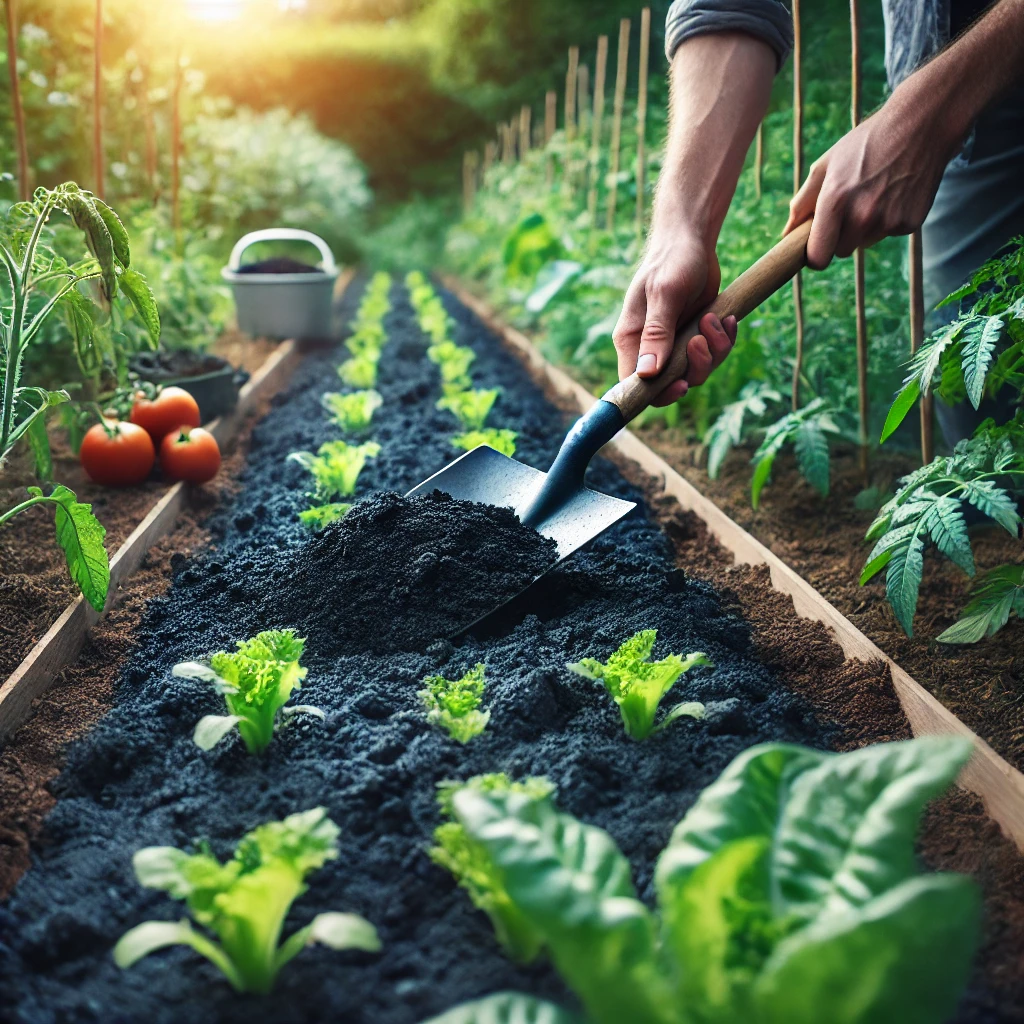
    Growing your own vegetables is rewarding, cost-effective, and a great way to eat fresh, healthy food. Whether you have a backyard or just a small balcony, starting a vegetable garden is easier than you think. Follow these steps to get started.

    1. Choose the Right Location

    The success of your garden starts with picking the right spot. Look for an area that gets at least 6–8 hours of sunlight daily. Ensure it has good drainage and is protected from strong winds. If you’re short on space, consider raised beds or containers.

    2. Plan Your Garden Layout

    Before digging, decide what vegetables to grow. Beginners should start with easy-to-grow plants like tomatoes, lettuce, radishes, or zucchini. Plan for proper spacing so each plant has room to grow. Companion planting—pairing plants that help each other—can improve growth and keep pests away.

    3. Prepare the Soil

    Healthy soil means healthy plants. Test your soil’s quality using a simple soil test kit to check its pH and nutrient levels. If needed, improve the soil by adding compost, organic matter, or aged manure. For container gardening, use a high-quality vegetable potting mix.

    4. Start Planting

    Choose seeds or seedlings depending on your preference. Read planting instructions carefully—some seeds need to be started indoors before transferring to the garden. Water freshly planted seeds lightly but consistently to help them germinate.

    5. Watering and Maintenance

    Water your garden early in the morning or late in the afternoon to prevent evaporation. Most vegetables need about an inch of water per week. Mulching around plants helps retain moisture and prevent weeds. Regularly check for pests and remove weeds by hand to keep plants healthy.

    6. Harvest and Enjoy

    Each vegetable has its own harvesting time. Pick produce when it’s ripe to encourage continuous growth. Fresh vegetables taste best, so enjoy your harvest in salads, soups, or as delicious side dishes!

    Starting a vegetable garden doesn’t require expert skills—just patience and care. Follow these steps, and soon you’ll be enjoying homegrown food straight from your own garden!

  • How to Choose the Right Fertilizer for Your Plants

    How to Choose the Right Fertilizer for Your Plants

    Fertilizing your plants is essential for their health and growth, but choosing the right fertilizer can sometimes feel overwhelming. With so many options available, it’s important to understand the basics of fertilizers to make the best choice for your plants. Here’s a simple guide to help you pick the right fertilizer and give your plants the nutrients they need to thrive.

    Understanding Fertilizer Labels

    Fertilizers are often labeled with three key numbers that represent the NPK ratio: Nitrogen (N), Phosphorus (P), and Potassium (K). These nutrients are essential for plant growth, and the numbers on the label show the percentage of each nutrient in the product. Here’s what each one does:

    • Nitrogen (N): Helps plants grow lush and green by promoting leaf and stem development. It’s particularly important for leafy vegetables and grass.
    • Phosphorus (P): Supports root development, flowering, and fruiting. It’s crucial for plants that produce flowers or fruits, like tomatoes and peppers.
    • Potassium (K): Strengthens plants, helping them resist diseases, improve drought tolerance, and build strong cell walls. It’s important for overall plant health.

    For example, a fertilizer with an NPK ratio of 10-10-10 contains 10% nitrogen, 10% phosphorus, and 10% potassium.

    Types of Fertilizers

    1. Granular Fertilizers
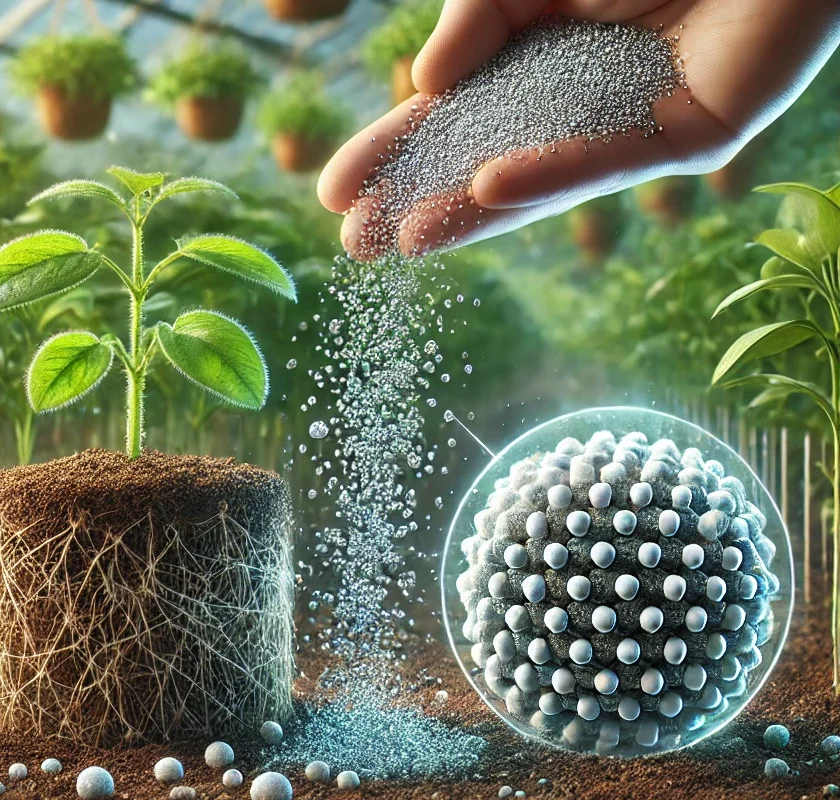
      These are solid fertilizers that need to be applied to the soil. Granular fertilizers can be slow-release or fast-release, meaning they either provide nutrients over time or immediately boost plant growth. They are great for outdoor plants and larger gardens.
    2. Liquid Fertilizers
      Liquid fertilizers are mixed with water and applied directly to the soil or sprayed onto the leaves. They are absorbed quickly, making them great for fast-acting results, but they may need to be applied more frequently.
    3. Organic Fertilizers
      Made from natural sources like compost, manure, or plant matter, organic fertilizers are gentle on plants and improve soil health over time. They are ideal for organic gardening and provide slow, steady nutrition.
    4. Synthetic Fertilizers
      These are chemically manufactured and provide immediate nutrition to plants. While they can be very effective, synthetic fertilizers may sometimes lead to nutrient imbalances in the soil if overused.

    How to Choose the Right Fertilizer

    1. Know Your Plant’s Needs
      Different plants require different nutrients. For example, leafy greens like lettuce and spinach benefit from a fertilizer higher in nitrogen, while flowering plants or fruiting vegetables need more phosphorus to encourage blooms and fruit. Choose a fertilizer based on the needs of your plants.
    2. Consider the Soil
      Test your soil to check for existing nutrient levels. If your soil is rich in one nutrient but lacking in others, select a fertilizer with a higher percentage of the missing nutrient. For example, if your soil has plenty of nitrogen but lacks phosphorus, choose a fertilizer with a higher phosphorus ratio.
    3. Time of Year
      The time of year can affect the type of fertilizer you choose. In the spring and summer, when plants are actively growing, use fertilizers with higher nitrogen content. In fall or when preparing plants for the winter, use a balanced or higher potassium fertilizer to strengthen roots and help plants resist cold stress.
    4. Slow-Release vs. Fast-Release
      Slow-release fertilizers are ideal for plants that don’t need a lot of immediate nutrients. These are great for long-term plant health, as they provide a steady flow of nutrients over time. Fast-release fertilizers work quickly, making them good for quick growth spurts, such as when transplanting young seedlings or preparing for a harvest.
    5. Water-Soluble vs. Granular
      Water-soluble fertilizers are easy to apply and are often absorbed quickly by the plant. They are perfect for plants that need an instant nutrient boost. Granular fertilizers, on the other hand, break down slowly, making them better for long-term feeding.

    Applying Fertilizer

    1. Follow the Instructions
      Whether using liquid or granular fertilizer, always follow the instructions on the packaging to avoid over-fertilizing. Too much fertilizer can damage plants, burn the roots, or cause excessive growth that weakens the plant.
    2. Fertilize During the Growing Season
      Most plants need fertilizing during their growing season, usually spring and summer. Avoid fertilizing during dormant periods (like winter), as plants won’t absorb nutrients effectively.
    3. Water After Fertilizing
      After applying fertilizer, water your plants well. This helps the nutrients dissolve and get into the root zone, where the plant can absorb them.

    Final Tip

    Remember, plants can’t thrive on fertilizer alone. Healthy soil, proper watering, and good sunlight are essential for plant growth. Fertilizer is just one piece of the puzzle! By understanding your plants’ needs and applying the right fertilizer, you’ll help them grow strong, healthy, and beautiful.

  • How to Identify and Treat Common Plant Diseases

    How to Identify and Treat Common Plant Diseases

    Plants can be vulnerable to a variety of diseases, but with a little knowledge, you can spot symptoms early and take action before they cause serious harm. Here’s how to identify and treat some of the most common plant diseases.

    Common Plant Diseases and Their Symptoms

    1. Leaf Spots
      Leaf spots are a common sign of fungal or bacterial infections. These appear as round or irregular patches on leaves, often yellow, brown, or black in color. The spots might have a yellow halo or appear as water-soaked lesions, especially in the early stages.
    2. Mold (Powdery or Downy Mildew)
      Mold often appears as a white, powdery substance on leaves, stems, or buds. Powdery mildew thrives in dry air with poor circulation, while downy mildew causes yellowing of the leaves with fuzzy white or purple mold on the underside.
    3. Blight
      Blight is a serious plant disease that often starts with yellowing and wilting leaves, followed by blackened, necrotic areas. Infected plants may exhibit rapid decay, especially in wet and humid conditions. Common blights include early and late blight on tomatoes and fire blight on fruit trees.

    How to Treat Plant Diseases

    1. For Leaf Spots
      If your plant has leaf spots, remove and dispose of the affected leaves. Never compost them, as this can spread the disease. Use a fungicide or bactericide, depending on whether the infection is fungal or bacterial. Always follow the instructions on the product for safe and effective use. In some cases, pruning back infected stems can help stop the spread.
    2. For Mold (Powdery and Downy Mildew)
      For powdery mildew, spray your plant with a fungicide that specifically targets mildew, or try a homemade solution of baking soda and water. Be sure to improve air circulation around the plant by thinning out crowded leaves and ensuring the plant is not too moist. For downy mildew, remove the infected leaves and treat with a fungicide recommended for mildew. It’s also important to avoid overhead watering to keep the leaves dry.
    3. For Blight
      Blight can be more difficult to treat, especially once it has progressed. If you notice early signs, remove any infected leaves immediately and dispose of them. For blight on tomatoes, use a copper-based fungicide or a specific blight treatment. Make sure to rotate crops each year to avoid blight buildup in the soil. For fire blight on fruit trees, prune infected branches during the dry season, and disinfect your tools between cuts to prevent spreading the disease.

    Preventive Measures

    1. Proper Watering: Always water at the base of the plant to avoid wetting the leaves. Wet foliage creates an environment for fungal infections. Use drip irrigation if possible to direct water to the roots.
    2. Maintain Plant Spacing: Crowded plants are more likely to develop diseases because they lack good airflow. Make sure plants have enough space to grow and allow for proper air circulation.
    3. Remove Debris: Fallen leaves and plant matter can harbor diseases, so be sure to clean up around your plants regularly, especially in the fall.
    4. Use Resistant Varieties: Some plants are bred to resist common diseases like mildew or blight. When buying plants, look for disease-resistant varieties to minimize the risk of infection.

    When to Consult a Professional

    While most plant diseases can be managed with the right care, some can be tricky to treat or might require stronger interventions. If you’ve tried treating the disease and the plant isn’t improving, or if it’s spreading rapidly, it’s time to consult a professional. A local nursery, extension office, or plant pathologist can help identify the disease and recommend the best course of action.

    Final Tip

    Early detection is key! Keep an eye on your plants, and if you notice any changes in their appearance, take action right away. With the right treatment and preventive care, you can keep your plants healthy and disease-free.

  • How to Revive an Overwatered Plant:

    How to Revive an Overwatered Plant:

    Overwatering is one of the most common mistakes plant owners make, but the good news is that with the right steps, you can revive an overwatered plant. Here’s how to identify the signs and save your plant before it’s too late.

    Signs of Overwatering

    1. Wilting despite moist soil: It might seem counterintuitive, but plants that are overwatered often look wilted. The roots are overwhelmed with too much water, causing them to drown and not take in nutrients properly.
    2. Yellowing leaves: If the leaves of your plant turn yellow and begin to drop, it’s a red flag. Overwatering leads to root rot, which impacts the plant’s ability to take up nutrients, resulting in discolored and weak leaves.
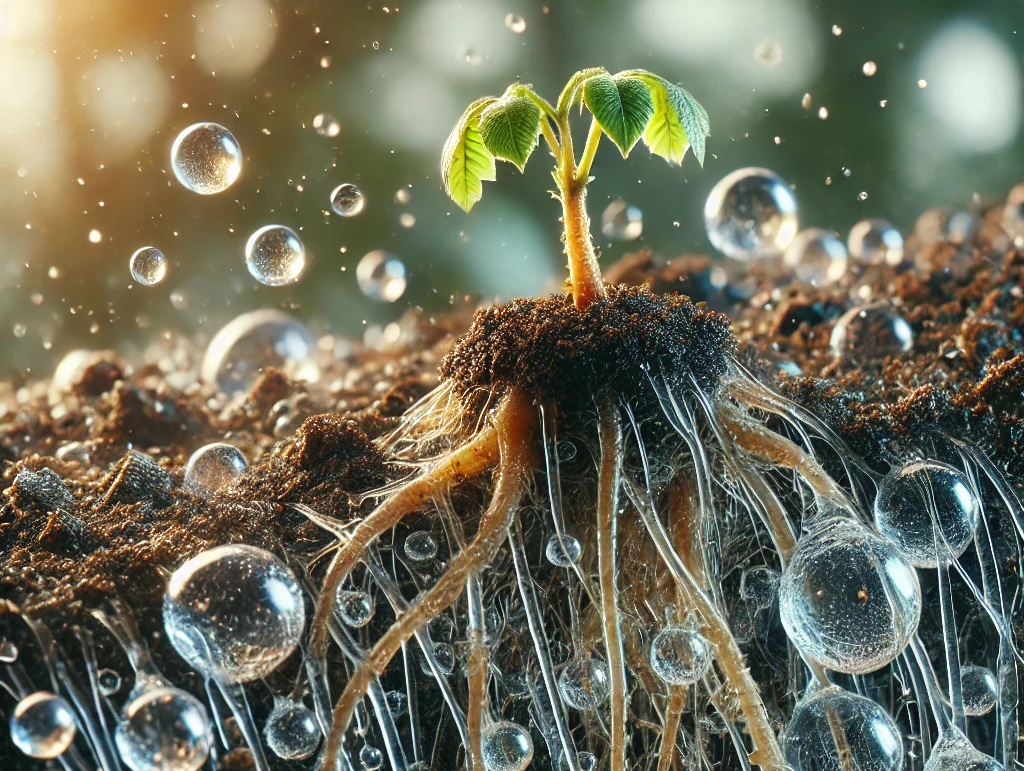
    3. Root rot: If you notice a bad smell coming from the soil or if the roots appear brown and mushy, you’re dealing with root rot. This is often the result of overwatering and poor drainage, and it can be deadly to your plant if not addressed.

    Steps to Revive an Overwatered Plant

    1. Check the roots: Gently remove the plant from its pot. Examine the roots for any signs of rot, such as brown or mushy spots. Trim away the affected roots using clean scissors or pruning shears.
    2. Let the plant dry out: After removing the damaged roots, let the plant sit out of its pot for a few hours or even a day, allowing it to dry out slightly. This helps to reduce excess moisture and gives the remaining healthy roots a chance to recover.
    3. Improve drainage: If your plant’s pot doesn’t have enough drainage holes, now is the time to repot it into a new one with better drainage. This will prevent future waterlogging and ensure that excess water can escape.
    4. Repot the plant: Use fresh, well-draining soil to repot your plant. A mix designed for the specific plant type (e.g., cactus soil for succulents or orchid bark for orchids) will work best. Avoid packing the soil too tightly, as this can restrict root growth.
    5. Adjust your watering schedule: The key to preventing overwatering in the future is understanding the plant’s needs. Different plants require different watering schedules, but as a rule of thumb, it’s better to let the soil dry out a bit before watering again. Use your finger to check the soil—if it feels dry an inch or two below the surface, it’s time to water. Make sure the pot has good drainage, so excess water can escape.
    6. Place in the right environment: Once repotted, place your plant in a location where it can recover—avoid direct sunlight for the first few days, as the plant may be stressed. Ensure it gets indirect light and is kept at a comfortable temperature.

    Final Tip

    If you’re unsure about how often to water, try using a moisture meter or simply check the soil every few days. Remember, underwatering is far less harmful than overwatering, so it’s better to err on the side of caution.

    By following these steps, you can bring your overwatered plant back to life and help it thrive once again!