Blog

  • Understanding Basic Plant Care Principles

    Understanding Basic Plant Care Principles

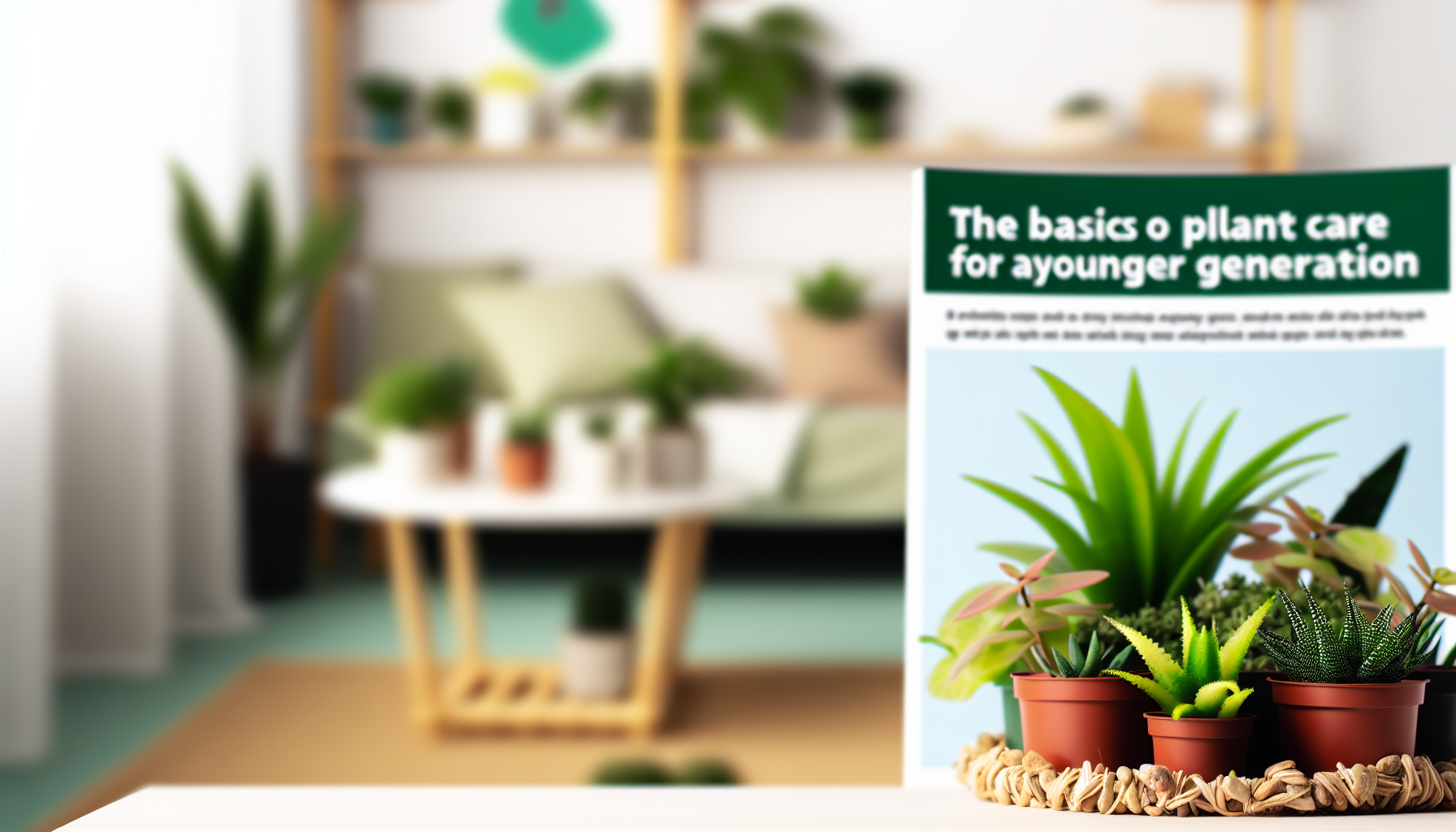
    Caring for plants doesn’t have to be complicated! Whether you’re a beginner or just looking to improve your skills, understanding the fundamental needs of plants—sunlight, water, and nutrients—will set you up for success. Let’s explore these essential principles.

    1. Sunlight: Finding the Right Balance

    Plants rely on light for energy through photosynthesis. Different plants have different light requirements:

    • Bright, Direct Light – Ideal for succulents, cacti, and herbs like basil. These thrive in sunny windows.
    • Bright, Indirect Light – Suited for pothos, monsteras, and peace lilies. Place them near windows but out of harsh sunlight.
    • Low Light – Best for snake plants, ZZ plants, and ferns. They can survive in dim corners or offices with minimal light.

    If your home lacks natural light, LED grow lights can provide the necessary brightness for healthy growth.

    2. Watering: Avoid Overwatering and Underwatering

    Water is crucial, but too much or too little can harm plants. Follow these tips:

    • Check the soil before watering – Stick your finger an inch deep; if it’s dry, water the plant.
    • Water slowly and evenly – Ensure water reaches the roots without flooding.
    • Drainage is key – Use pots with drainage holes to prevent root rot.

    Plants typically need less water in winter since they grow slower.

    3. Nutrients: Feeding Your Plants Properly

    Like humans, plants need food! Soil provides nutrients, but over time, fertilizers help replenish them:

    • General-purpose fertilizer works for most houseplants.
    • Liquid fertilizers are easy to use—apply every 4–6 weeks during the growing season (spring and summer).
    • Avoid over-fertilizing, which can damage roots. Follow package instructions carefully.

    4. Recognizing Plant Stress

    If your plant isn’t thriving, look for these signs:

    • Yellow leaves – Usually caused by overwatering or poor drainage.
    • Brown edges – Could mean low humidity or too much direct sunlight.
    • Drooping leaves – Often a sign of underwatering or root issues.

    Final Thoughts

    Understanding these basic plant care principles—sunlight, water, and nutrients—will help you cultivate thriving, healthy plants. Start with easy-to-care-for plants and adjust as you learn. With a little attention, your indoor or outdoor garden will flourish!

  • How to Deal with Common Plant Pests Naturally

    How to Deal with Common Plant Pests Naturally

    Plant pests can cause damage to your garden, from eating leaves to spreading disease. While chemical pesticides are an option, they can harm beneficial insects and the environment. Thankfully, there are many natural ways to manage plant pests and keep your garden healthy without resorting to harsh chemicals. Here are some tips on how to deal with common plant pests naturally.

    1. Know Your Pests

    Before you start combating pests, it’s essential to identify them. Common plant pests include:

    • Aphids: Small, soft-bodied insects that suck sap from plants, causing yellowing and curling of leaves.
    • Spider Mites: Tiny arachnids that create webs on the undersides of leaves and cause stippling or discoloration.
    • Whiteflies: Small, flying insects that feed on plant sap, leading to yellowing leaves and stunted growth.
    • Slugs and Snails: These pests leave slimy trails and feed on tender leaves, causing holes and damage.
    • Caterpillars: Larvae of butterflies and moths that chew through leaves and flowers.

    2. Encourage Beneficial Insects

    Many natural predators feed on plant pests. Attracting these beneficial insects to your garden is one of the best ways to keep pests under control.

    • Ladybugs: These beetles are voracious aphid eaters. You can buy ladybugs from garden centers or plant flowers like dill, fennel, and yarrow to attract them.
    • Lacewings: Lacewing larvae feed on aphids, whiteflies, and other pests. Planting a variety of flowering herbs like cilantro or dill can attract lacewings.
    • Predatory Beetles: These beetles hunt down pests like slugs, aphids, and caterpillars. Planting cover crops like clover can encourage them to stay.

    3. Neem Oil

    Neem oil is a natural pesticide that comes from the neem tree. It works as an insect repellent and disrupts the feeding and reproductive systems of many pests. Neem oil is safe for most plants and does not harm beneficial insects like bees when applied correctly.

    • How to Use: Mix 1-2 tablespoons of neem oil with water and a few drops of mild liquid soap. Spray the solution on the affected plants, focusing on the undersides of the leaves, where pests often hide. Apply in the early morning or late evening to avoid harming pollinators.

    4. Diatomaceous Earth

    Diatomaceous earth (DE) is a powdery substance made from fossilized algae. It works by dehydrating pests like slugs, snails, and aphids by scraping their exoskeletons. DE is safe for humans, pets, and beneficial insects, but it should be applied dry and reapplied after rain.

    • How to Use: Lightly dust the surface of the soil or affected plants with diatomaceous earth. Be sure to wear a mask to avoid inhaling the fine powder.

    5. Soap Spray

    Insecticidal soap is a natural pesticide made from plant-based oils and fatty acids. It’s effective against aphids, whiteflies, and spider mites. The soap works by suffocating the pests without harming your plants.

    • How to Use: You can buy insecticidal soap or make your own by mixing 2 tablespoons of mild liquid soap with 1 quart of water. Spray it directly on the pests, covering both the top and bottom of leaves. Reapply as needed, especially after rain.

    6. Garlic and Chili Spray

    Garlic and chili are natural deterrents for many pests. The strong smells of garlic and the heat from chili peppers repel insects and make your garden less appealing to them.

    • How to Use: Blend 2-3 cloves of garlic with 1-2 hot chilies, a tablespoon of vegetable oil, and a cup of water. Strain the mixture and add a few drops of liquid soap. Spray this solution on your plants to deter pests. Be cautious with the chili mix—avoid getting it in your eyes or on your skin.

    7. Companion Planting

    Companion planting involves growing plants together that either repel pests or attract beneficial insects. For example:

    • Marigolds: These flowers repel aphids, nematodes, and whiteflies. Planting them near your vegetables can help protect them from pests.
    • Basil: Basil repels mosquitoes and flies, making it a great companion for tomatoes.
    • Chives: Chives help repel aphids, Japanese beetles, and slugs, making them an excellent companion for roses and carrots.

    8. Hand-Picking and Trapping

    For some pests, the best solution is simply removing them by hand. You can pick off visible pests like caterpillars, beetles, or aphids and drop them into a bucket of soapy water. For pests like slugs, you can set up traps to catch them.

    • Slug Traps: Place shallow dishes filled with beer or a mixture of sugar water and yeast around your plants. Slugs are attracted to the smell and will crawl in but won’t be able to get out.

    9. Proper Watering and Plant Care

    Healthy plants are less likely to be attacked by pests. Ensure your plants are properly watered and well-nourished to boost their resilience. Avoid overwatering, which can attract pests like aphids and spider mites. Additionally, clear any debris or dead plant material from your garden, as these can harbor pests.

    10. Mulching

    Mulch acts as a barrier, helping to prevent pests like slugs and snails from reaching your plants. It also helps to retain moisture and regulate soil temperature.

    • How to Use: Apply a layer of organic mulch, such as straw, wood chips, or leaves, around your plants. Keep the mulch a few inches away from the plant stems to prevent rot.

    Final Tip

    Dealing with plant pests naturally is all about creating a balanced, healthy environment in your garden. By using beneficial insects, natural pesticides, and other eco-friendly methods, you can protect your plants without harming the environment. Consistency is key—check your garden regularly, apply natural remedies as needed, and your plants will thrive naturally.

  • How to Create a DIY Compost System

    How to Create a DIY Compost System

    Composting is an easy, sustainable way to recycle organic waste and create rich, nutrient-packed soil for your garden. By turning kitchen scraps and yard waste into compost, you can reduce landfill waste and improve soil health. Here’s how to create a DIY compost system that’s simple and effective.

    Why Composting is Important

    Composting benefits the environment by:

    • Reducing Waste: Diverting organic waste from landfills helps reduce the amount of trash that decomposes in a landfill, creating harmful methane gases.
    • Improving Soil Health: Compost enriches the soil by adding essential nutrients, improving drainage, and increasing water retention.
    • Supporting Plant Growth: The nutrients in compost feed plants and encourage strong, healthy growth.

    What You’ll Need

    1. Compost Bin: You’ll need a container or bin to hold your compost. There are several options for DIY compost bins, depending on your space and preference:
      • Wooden Box: Build a simple frame with wooden pallets or scrap wood to create a compost bin. Make sure the bin is open on the sides for air circulation.
      • Plastic or Metal Bin: Use a plastic storage container or a metal trash bin with holes drilled for ventilation.
      • Compost Pile: If you have plenty of space, you can start a compost pile directly on the ground, though this option is less contained and can attract pests.
    2. Aeration Tools: Oxygen is essential for the composting process. A garden fork, shovel, or compost turner will help you mix the compost regularly, ensuring air reaches all parts of the pile.
    3. Moisture: You’ll need a water source to keep the compost moist, but not soaking wet. A garden hose, watering can, or spray bottle will work fine.
    4. Organic Materials: These are the key ingredients for composting. You’ll need a mix of:
      • Greens (Nitrogen-Rich Materials): These include food scraps like vegetable peels, coffee grounds, grass clippings, and fresh plant trimmings. Greens are rich in nitrogen, which helps microbes break down the material.
      • Browns (Carbon-Rich Materials): These include dried leaves, straw, cardboard, wood chips, and newspaper. Browns help balance moisture and provide carbon, which fuels the microorganisms in the compost pile.

    Steps to Create a DIY Compost System

    1. Choose a Location Select a location for your compost bin or pile that’s well-ventilated and away from direct sunlight. A spot in the shade will help keep the compost from drying out too quickly, while still allowing for airflow.
    2. Start with a Layer of Browns Begin by placing a layer of browns (like dry leaves or straw) at the bottom of your bin or pile. This layer helps with drainage and provides a base for air to circulate.
    3. Add Greens Add a layer of greens, such as vegetable scraps or fresh grass clippings. Aim for a balance of 1 part green to 3 parts brown material. A good rule of thumb is to mix the materials as you go, so that the pile remains balanced.
    4. Alternate Layers Continue layering greens and browns, ensuring that each layer is about 3–4 inches thick. Keep alternating layers as you add more material over time. This layering process helps maintain the right carbon-to-nitrogen ratio and allows the compost to break down efficiently.
    5. Moisten the Pile Make sure your compost pile stays moist, similar to a wrung-out sponge. If it starts to dry out, add water. If it’s too wet, add more dry materials like leaves or shredded cardboard to absorb the excess moisture.
    6. Turn the Compost Regularly Turn your compost every few weeks to mix up the materials and allow air to circulate. Aeration speeds up the decomposition process and helps prevent odors. Use a garden fork, shovel, or compost turner to mix the pile thoroughly.
    7. Monitor Temperature and Moisture A healthy compost pile will generate heat as it breaks down. If it feels cool or isn’t decomposing quickly, try turning it more often or adding more green material. If it’s too hot or has a strong odor, it may need more brown material or better aeration.
    8. Wait for Compost to Mature Over time, the compost will break down into dark, crumbly material that smells earthy. This process can take anywhere from a few months to a year, depending on the size of the pile and how often it is turned. You’ll know the compost is ready when it looks like rich, dark soil and no longer resembles the original materials.

    How to Use Your Finished Compost

    Once your compost is ready, you can use it in several ways:

    • Soil Amendment: Mix compost into your garden soil to improve texture, fertility, and moisture retention.
    • Mulch: Spread compost around your plants to help retain moisture, suppress weeds, and add nutrients.
    • Potting Mix: Add compost to potting soil for indoor plants to provide extra nutrients.

    Final Tip

    Composting is a simple, effective way to recycle organic waste and create nutrient-rich soil for your garden. By starting a DIY compost system, you’ll reduce waste, improve your soil, and grow healthier plants. Remember to balance greens and browns, keep your pile moist, and turn it regularly for the best results. Happy composting!

  • Top Tips for Successful Houseplant Maintenance

    Top Tips for Successful Houseplant Maintenance

    Keeping houseplants healthy and thriving doesn’t have to be complicated. With the right approach to watering, light placement, and general care, your indoor garden will flourish. Here are some essential tips to help you maintain happy, healthy plants.

    1. Master Proper Watering Techniques

    Overwatering is the most common mistake plant owners make. Here’s how to get it right:

    • Check the soil – Stick your finger about an inch into the soil; if it feels dry, it’s time to water.
    • Use the right amount – Water slowly until you see excess draining from the bottom.
    • Adjust for seasons – Plants need less water in winter when growth slows down.

    2. Place Your Plants in the Right Light

    Light is crucial for plant health. Position your plants according to their needs:

    • Bright, Direct Light – Ideal for succulents, cacti, and fiddle-leaf figs.
    • Bright, Indirect Light – Suited for pothos, peace lilies, and monsteras.
    • Low Light – Great for snake plants, ZZ plants, and ferns.

    If your space lacks natural light, consider LED grow lights to supplement.

    3. Recognize When Your Plant Needs Repotting

    Signs your plant is outgrowing its pot:

    • Roots growing out of drainage holes.
    • Water sits on top of the soil instead of draining.
    • Slow or stunted growth despite proper care.

    Repot your plant in a container 1–2 inches larger than the current one and use fresh soil to provide new nutrients.

    4. Watch for Pest Problems

    Common houseplant pests include aphids, spider mites, and fungus gnats. Signs of infestation:

    • Yellowing or curling leaves.
    • Sticky residue on leaves.
    • Webbing on stems and leaves.

    To prevent pests, regularly inspect plants, wipe leaves with a damp cloth, and use neem oil or insecticidal soap if needed.

    5. Keep Humidity and Temperature in Check

    Most houseplants thrive in temperatures 65–75°F (18–24°C) with moderate humidity. If your home is dry, increase humidity by:

    • Grouping plants together.
    • Using a humidifier.
    • Placing a water tray with pebbles near plants.

    Final Thoughts

    Caring for houseplants is easy with the right knowledge! By following these tips, you’ll create an ideal environment for your plants to grow and thrive, making your home greener and more vibrant.

  • Comprehensive Guide to Indoor Plant Care

    Comprehensive Guide to Indoor Plant Care

    Keeping indoor plants healthy and thriving requires attention to key factors like light, temperature, watering, and nutrients. Whether you’re a beginner or an experienced plant owner, understanding these essentials will help you maintain vibrant, long-lasting greenery in your home.

    1. Light: Finding the Right Balance

    Light is crucial for plant growth, but different plants have different needs:

    • Bright, Direct Light – Ideal for succulents, cacti, and fiddle-leaf figs. Place these near sunny windows.
    • Bright, Indirect Light – Suited for pothos, monstera, and peace lilies. Position them near windows with filtered sunlight.
    • Low Light – Best for snake plants, ZZ plants, and ferns. These can thrive in rooms with minimal natural light.

    If your home lacks sunlight, consider using LED grow lights to supplement natural light.

    2. Temperature and Humidity: Creating the Ideal Environment

    Most houseplants thrive in temperatures between 65–75°F (18–24°C). Avoid placing them near drafty windows, heating vents, or air conditioners, as sudden temperature changes can stress plants.

    Humidity is also important, especially for tropical plants. If your home is dry, increase humidity by:

    • Grouping plants together
    • Using a humidifier
    • Misting plants occasionally

    3. Watering: How Much is Enough?

    Overwatering is a common mistake that leads to root rot. Follow these guidelines:

    • Check the soil – Water only when the top inch feels dry.
    • Use the right pot – Ensure pots have drainage holes to prevent water buildup.
    • Adjust for seasons – Water less in winter when plant growth slows down.

    4. Nutrients and Fertilizing: Feeding Your Plants

    Houseplants need nutrients to grow strong and healthy. Use a balanced liquid fertilizer every 4–6 weeks during the growing season (spring and summer). Avoid over-fertilizing, as this can damage roots.

    5. Pruning and Repotting: Keeping Plants Healthy

    • Prune dead or yellow leaves to encourage new growth.
    • Repot plants every 1–2 years when roots outgrow their pots, using fresh soil to replenish nutrients.

    Final Thoughts

    By understanding these key factors, you can create the perfect environment for your indoor plants to thrive all year round. With proper light, temperature, watering, and nutrients, your plants will stay healthy and beautiful, adding life to your home!

  • How to Attract Beneficial Insects to Your Garden

    How to Attract Beneficial Insects to Your Garden

    Beneficial insects are nature’s little helpers, keeping pests in check and promoting a healthy, balanced garden ecosystem. By attracting these beneficial insects, you can reduce the need for chemical pesticides and encourage a thriving, sustainable garden. Here’s how you can attract beneficial insects to your garden.

    Why Beneficial Insects are Important

    Beneficial insects play a key role in:

    • Pollination: Insects like bees and butterflies help pollinate flowers, leading to better fruit and vegetable production.
    • Natural Pest Control: Predators like ladybugs, lacewings, and predatory beetles consume harmful pests such as aphids, caterpillars, and spider mites.
    • Soil Health: Certain insects, like earthworms, aerate the soil and break down organic matter, improving soil health and structure.

    Types of Beneficial Insects

    Here are a few beneficial insects to attract:

    • Ladybugs: These voracious predators feast on aphids and other soft-bodied pests, helping to keep pest populations under control.
    • Bees: Bees are essential pollinators for most plants, particularly fruits and vegetables.
    • Lacewings: Lacewing larvae are great at hunting aphids, thrips, and whiteflies.
    • Predatory Beetles: These beetles consume pests like slugs, caterpillars, and other harmful insects.
    • Butterflies: Not only do butterflies add beauty to your garden, but their larvae feed on certain garden pests, keeping the population in check.

    How to Attract Beneficial Insects

    1. Plant Pollinator-Friendly Flowers Planting a variety of flowering plants will attract pollinators like bees and butterflies. Choose plants that bloom at different times of the year, so there’s always a food source for these insects. Good options include sunflowers, lavender, marigolds, daisies, and coneflowers. Native plants are particularly attractive to local insect species.
    2. Grow Nectar-Rich Plants Insects like ladybugs, lacewings, and other predators are also attracted to plants that offer nectar. Some great nectar-rich flowers to consider are thyme, fennel, dill, and cosmos. These plants attract beneficial insects looking for both food and habitat.
    3. Provide Shelter and Habitat Beneficial insects need shelter to hide from predators and bad weather. You can encourage beneficial insects to take up residence by:
      • Planting Dense Foliage: Shrubs and tall flowers provide cover.
      • Creating Insect Hotels: Consider installing an insect hotel made of twigs, bamboo, and hollow stems to attract solitary bees and other insects.
      • Leaving Deadwood: Dead logs and plant material provide habitats for beetles and other beneficial species.
    4. Avoid Harmful Pesticides Many pesticides not only harm pests but also beneficial insects. To avoid killing helpful species, use organic methods for pest control or choose pesticides that are safe for beneficial insects. Insecticidal soap or neem oil are safer options when pest problems arise.
    5. Use Companion Planting Companion planting involves growing certain plants together to naturally repel pests or attract beneficial insects. For example, planting marigolds near tomatoes can repel aphids and attract ladybugs. Similarly, basil and lavender can draw pollinators while keeping away pests like mosquitoes.
    6. Provide Water Sources Beneficial insects need water to drink and bathe. Adding a shallow birdbath, small pond, or water dish can help keep them hydrated. Ensure the water is shallow and has rocks or sticks for insects to land on safely.

    Final Tip

    Creating a garden that attracts beneficial insects is about providing the right environment—food, shelter, and water—while minimizing the use of harmful chemicals. With a little planning, you can build a garden that supports these helpful insects and enhances your garden’s health and productivity. So, roll out the welcome mat for these tiny helpers, and watch your garden thrive!

  • Understanding Indoor Plant Light Requirements

    Understanding Indoor Plant Light Requirements

    Light is one of the most important factors for keeping houseplants healthy. But not all plants need the same amount of light, and understanding your home’s lighting conditions can help you choose the right plants. Here’s a simple guide to indoor plant light requirements.

    1. Know Your Light Levels

    Before choosing plants, observe how much natural light your space gets. There are three main types of indoor lighting:

    • Bright, Direct Light – This comes from south- or west-facing windows and provides several hours of strong sunlight. Best for succulents, cacti, and fiddle-leaf figs.
    • Bright, Indirect Light – Sunlight is filtered through curtains or bounces off walls. Ideal for pothos, spider plants, and peace lilies.
    • Low Light – Spaces away from windows or rooms with only artificial light. Great for snake plants, ZZ plants, and ferns.

    2. Test Your Light

    Not sure how much light your plants are getting? Try these simple tests:

    • Hand Shadow Test – Hold your hand near the plant. A sharp, defined shadow means bright light, while a faint shadow means low light.
    • Observe Sun Patterns – Notice how sunlight moves through your home at different times of the day.

    3. Choosing the Right Plants for Your Light Conditions

    • For Bright Light: Aloe vera, succulents, fiddle-leaf fig, rubber plant.
    • For Medium (Indirect) Light: Monstera, pothos, philodendron, peace lily.
    • For Low Light: Snake plant, ZZ plant, cast iron plant, ferns.

    4. Supplementing with Artificial Light

    If your home lacks natural light, you can use grow lights to help plants thrive. LED grow lights mimic sunlight and are great for keeping plants healthy in darker spaces.

    5. Signs Your Plant Needs More (or Less) Light

    • Too much light: Leaves turn crispy, brown, or start curling.
    • Too little light: Slow growth, leggy stems, or yellowing leaves.

    By understanding your home’s light conditions, you can select the perfect plants and create a thriving indoor garden. Happy growing!

  • How to Understand and Improve Your Soil’s pH Level

    How to Understand and Improve Your Soil’s pH Level

    Soil pH plays a vital role in how well your plants grow. The pH level of your soil affects how nutrients are absorbed by plant roots, and different plants thrive in different pH ranges. Understanding and adjusting your soil’s pH is essential for healthy, thriving plants. Here’s a guide to help you understand soil pH and how to improve it for optimal growth.

    What is Soil pH?

    Soil pH refers to the acidity or alkalinity of the soil. It’s measured on a scale from 0 to 14:

    • pH 7 is neutral (neither acidic nor alkaline).
    • Below pH 7 indicates acidic soil.
    • Above pH 7 indicates alkaline soil.

    Most plants prefer soil that’s slightly acidic to neutral, with a pH between 6.0 and 7.0. However, some plants, such as blueberries, prefer more acidic soil, while others, like lavender, thrive in alkaline conditions.

    Why is Soil pH Important?

    Soil pH affects:

    1. Nutrient Availability: The pH of your soil determines how well your plants can absorb essential nutrients. For instance, if the soil is too acidic or too alkaline, plants may not be able to access nutrients like nitrogen, phosphorus, and potassium, leading to poor growth.
    2. Soil Microorganisms: Different pH levels support different populations of soil microbes. These microorganisms help break down organic material and enhance nutrient availability. Some beneficial microbes thrive in acidic soils, while others prefer neutral or alkaline conditions.
    3. Plant Health: Certain plants are sensitive to soil pH. For instance, azaleas, camellias, and rhododendrons prefer acidic soil, while plants like asparagus and cabbage thrive in alkaline soil.

    How to Test Your Soil’s pH

    Before you can improve your soil’s pH, you need to know what it currently is. Here’s how you can test it:

    1. Use a Soil Test Kit: You can purchase a soil pH test kit from a garden center or online. These kits usually involve mixing a soil sample with a testing solution or indicator, which will show the pH on a color chart.
    2. Send Soil to a Lab: For a more detailed and accurate test, you can send a soil sample to a local agricultural extension service or private lab. They will provide a comprehensive analysis of your soil, including its pH and nutrient content.
    3. DIY Methods: For a quick, though less precise, test, you can use a baking soda and vinegar test. Mix some soil with water to create a slurry. Add vinegar to the mixture; if it fizzes, the soil is alkaline. If you add baking soda and it fizzes, the soil is acidic.

    How to Improve Your Soil’s pH

    Once you know your soil’s pH, you can take steps to adjust it to the ideal range for your plants. Here are some common ways to modify soil pH:

    1. To Lower Soil pH (Make It More Acidic)

    If your soil is too alkaline and you need to lower its pH, here are some methods:

    • Add Organic Matter: Incorporating organic matter like compost or mulch can naturally lower pH over time. Organic materials release humic acids as they decompose, which helps acidify the soil.
    • Use Elemental Sulfur: This is one of the most effective ways to lower soil pH. Microorganisms in the soil convert sulfur into sulfuric acid, which lowers the pH. Follow the instructions on the sulfur packaging for the right amount to use.
    • Add Peat Moss: Peat moss is naturally acidic and can be added to soil to help reduce pH. It also improves soil structure and water retention.
    • Use Pine Needles: Pine needles have an acidic nature, and adding them to your soil can help lower the pH. They also improve soil texture and drainage.

    2. To Raise Soil pH (Make It More Alkaline)

    If your soil is too acidic and you want to raise its pH, you can:

    • Add Lime: Ground limestone (calcium carbonate) is commonly used to raise soil pH. It reacts with the soil’s acidity to neutralize it. Dolomitic lime is an alternative, which also adds magnesium to the soil.
    • Wood Ash: Wood ash from a fireplace or garden bonfire is alkaline and can help raise soil pH. It also provides potassium and trace minerals to the soil.
    • Bone Meal: This is an organic alternative that helps raise pH while also adding phosphorus, which promotes root growth and flowering.
    • Compost and Manure: While compost is more commonly used to improve soil structure and fertility, compost made from materials like lime or high-calcium compost can also help raise soil pH.

    Best Practices for Soil pH Management

    1. Make Changes Gradually: When adjusting your soil’s pH, do so slowly. Drastic changes can harm plant roots. Make small adjustments over time and retest the soil regularly.
    2. Work Amendments Into the Soil: To ensure that pH-adjusting materials like sulfur or lime work effectively, mix them into the soil to a depth of at least 6 inches. This ensures the amendments reach the root zone.
    3. Consider Plant Preferences: Different plants have different pH preferences. Always check the recommended pH range for the plants you’re growing and adjust accordingly.

    When to Adjust Soil pH

    Adjust your soil pH before planting, as it’s easier to modify the soil before your plants take root. However, if your soil pH is off during the growing season, it can still be adjusted, but it might take some time to show results. Be patient, and remember that pH adjustments can take several months to fully affect the soil.

    Final Tip

    Maintaining the correct soil pH is an ongoing process. It’s important to regularly test your soil and make adjustments as necessary. By understanding and managing your soil’s pH, you can create an optimal environment for plant growth, ensuring they have the nutrients they need to flourish.

  • Essential Houseplant Care Tips for Beginners

    Essential Houseplant Care Tips for Beginners

    Houseplants bring life, color, and fresh air into your home, but if you’re new to plant care, it can feel overwhelming. The good news? Most houseplants are easy to maintain with a little knowledge. Follow these simple tips to keep your indoor plants thriving.

    1. Choose the Right Plant

    Start with low-maintenance plants like pothos, snake plants, or peace lilies. These are resilient and can tolerate a range of conditions. Consider your home’s lighting—some plants need bright, indirect sunlight, while others thrive in low-light areas.

    2. Find the Perfect Spot

    Light is one of the most important factors for plant health. Observe your space and place plants where they get the right amount of natural light. South- and east-facing windows provide the best light, while low-light plants do well in shaded corners.

    3. Water Wisely

    Overwatering is the number one killer of houseplants! Instead of watering on a fixed schedule, check the soil first—if the top inch feels dry, it’s time to water. Use room-temperature water and make sure pots have drainage holes to prevent root rot.

    4. Provide Proper Humidity

    Many houseplants, especially tropical varieties, thrive in humid environments. If your home is dry, mist your plants occasionally, group them together, or use a humidifier. Bathrooms and kitchens often have higher humidity, making them great spots for certain plants.

    5. Feed Them Right

    Plants need nutrients just like we do! Use a balanced liquid fertilizer once a month during the growing season (spring and summer). Avoid over-fertilizing, as too much can harm your plants.

    6. Keep an Eye on Pests

    Watch out for tiny invaders like spider mites, aphids, and fungus gnats. If you notice sticky leaves, webbing, or yellowing, gently wipe leaves with a damp cloth and use insecticidal soap if needed.

    7. Repot When Necessary

    If roots start growing out of the drainage holes or your plant seems too crowded, it’s time to repot into a slightly larger container with fresh soil. Do this every 1–2 years to keep your plant happy.

    Enjoy Your Green Space!

    With just a little care and attention, houseplants can transform your space and boost your mood. Follow these simple tips, and soon you’ll have a thriving indoor jungle!

  • How to Prune Your Plants for Optimal Growth

    How to Prune Your Plants for Optimal Growth

    Pruning is one of the best ways to ensure your plants grow healthy, strong, and full of vibrant blooms. It may seem like a daunting task, but with the right approach, pruning can make a huge difference in the overall health and appearance of your plants. Here’s how to prune your plants for optimal growth.

    Why Pruning is Important

    Pruning is essential for a few reasons:

    • Encourages Healthy Growth: By removing dead or damaged branches, you allow the plant to direct its energy toward new, healthy growth.
    • Improves Air Circulation: Pruning helps maintain good airflow through the plant, reducing the risk of diseases and pests.
    • Promotes Flowering and Fruiting: Many plants need to be pruned to encourage more blooms or fruit. Proper pruning allows sunlight and nutrients to reach the right parts of the plant.
    • Controls Size and Shape: Regular pruning keeps your plant’s size in check and helps maintain a neat, attractive shape.

    When to Prune

    The timing of your pruning is crucial:

    • Late Winter or Early Spring: Most plants benefit from pruning before the growing season begins, while they are still dormant. This gives the plant time to heal and start growing fresh new growth in the spring.
    • After Flowering: For flowering plants, prune after they have finished blooming. Pruning them too early can remove buds and prevent flowers from developing.
    • During the Growing Season: Light pruning can be done during the growing season to remove dead or diseased growth and maintain shape, but avoid heavy pruning, as this can stress the plant.

    Tools You’ll Need

    Having the right tools makes pruning much easier and more effective:

    • Pruning Shears: These are perfect for small to medium-sized stems and branches.
    • Loppers: Larger loppers are useful for thicker branches that shears can’t handle.
    • Saws: For very thick or old wood, a pruning saw can help get the job done without damaging the plant.
    • Gloves: Protective gloves are a must, especially when handling thorny plants or plants with irritants.

    How to Prune Your Plants

    1. Remove Dead or Diseased Growth
      Start by cutting away any dead, diseased, or damaged branches. These can attract pests and diseases, so removing them helps keep the plant healthy. Make clean cuts near the base of the branch or just above the node (where a leaf or bud is attached).
    2. Cut Back Leggy or Overgrown Branches
      If your plant is becoming leggy (too long and spindly) or overgrown, prune the stems back to a healthy, strong node. This encourages new, bushier growth. For woody plants, cutting just above a node will stimulate growth in that area.
    3. Thin Out Overcrowded Areas
      When a plant’s branches are crowded, it’s important to thin them out. Cut some branches back to the base to improve air circulation and allow light to reach the inner parts of the plant. This is especially important for plants prone to fungal issues.
    4. Shape the Plant
      To keep your plant looking neat, prune to shape it. For shrubs and bushes, remove any uneven or stray branches to create a balanced look. For trees, remove any crossing or inward-growing branches to ensure the plant has a strong structure.
    5. Encourage Flowering and Fruiting
      Some plants, like roses or fruit trees, need specific pruning to encourage flowering or fruiting. For roses, cutting back to a healthy bud can stimulate new blooms. For fruit trees, prune the central branches to create an open structure that allows sunlight to reach the fruit-bearing parts of the plant.

    Pruning Different Types of Plants

    1. Flowering Plants
      Prune flowering plants like hydrangeas and roses after they’ve bloomed. For hydrangeas, cut back the spent flowers and trim the plant to shape, removing any dead wood. For roses, prune back the stems after flowering to encourage new growth and more blooms.
    2. Shrubs and Bushes
      Shrubs should be pruned to maintain their shape and remove dead wood. For dense shrubs, thin out the center to improve airflow. Always prune just above a node to encourage new growth.
    3. Trees
      Prune trees in late winter or early spring before the sap starts flowing. Remove any weak, crossing, or diseased branches. For fruit trees, focus on cutting back old wood to encourage new growth that will produce more fruit.
    4. Indoor Plants
      Indoor plants like ivy or pothos can benefit from pruning to keep them from becoming leggy. Trim back the vines to promote fuller, bushier growth. For flowering indoor plants, remove spent blooms to encourage new flowers.

    Pruning Mistakes to Avoid

    • Don’t Cut Too Much: Pruning too aggressively can stress your plant. Always prune in moderation and remove no more than a third of the plant at once.
    • Avoid Cutting into Old Wood on Some Plants: For some plants, like azaleas or camellias, cutting into old wood can prevent new blooms from forming. Be sure to know the specific needs of the plant you’re pruning.
    • Use Sharp Tools: Dull pruning tools can tear the plant tissue, leading to damage. Make sure your tools are sharp to make clean cuts.

    Final Tip

    Pruning might seem intimidating at first, but with the right tools and knowledge, it’s an easy and rewarding task. Regular pruning not only keeps your plants looking great but also helps them grow stronger and healthier. Remember to always research specific plants to understand their pruning needs, and your plants will thank you with lush growth and vibrant flowers!