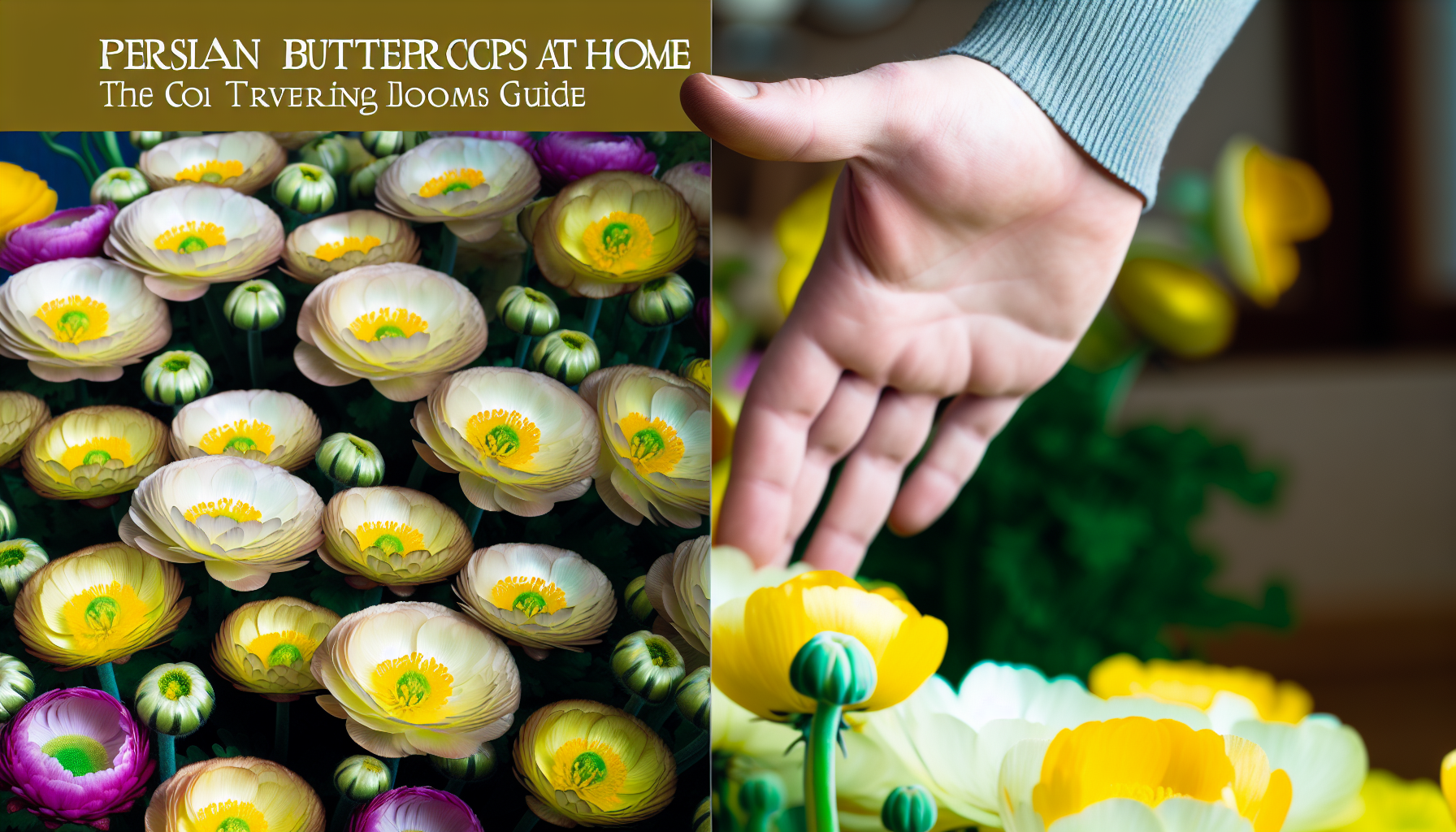
Persian buttercup care at home: best tips for thriving blooms
Persian buttercup, also known as Ranunculus asiaticus, enchants gardens and containers with dense, ruffled petals and a spectrum of jewel-toned colors. For home growers, these bulbs are a rewarding project that can elevate borders, pots, and even indoor arrangements. This guide explores practical, home-friendly tips to grow Persian buttercup successfully—from selecting healthy corms and preparing soil to perfect planting timing, watering rhythms, and ongoing maintenance through the season. You’ll learn how to optimize drainage, light, and nutrition, prevent common problems, and store or propagate corms for future displays. Read on for actionable steps that help you maximize blooms, extend vase life, and enjoy a dependable spring show year after year.
Choosing and Planting Persian Buttercup Bulbs
Healthy corms are the foundation of a robust display. Look for firm, dry bulbs with intact skins and no signs of mold or shriveling. Before planting, you can soften them slightly by soaking for 2–4 hours to rehydrate. Planting depth should be modest—about a couple of inches deep—with the crown facing upward and the bulbs spaced 4–6 inches apart. Persian buttercups relish full sun, and in milder climates fall planting helps establish roots before winter. In hotter regions, chilling the bulbs in the refrigerator for 4–6 weeks before planting in late winter or early spring improves flowering reliability. Use a light, well-draining soil mix and add organic matter, but avoid heavy clay or waterlogged media. In containers, choose a deep pot with drainage holes and a bulb-friendly soil.
- Inspect corms for firmness and absence of mold.
- Soak 2–4 hours to rehydrate
- Plant crown up, 2 inches deep, 4–6 inches apart
- Choose full sun; refrigerate in hot climates if needed
Soil, Drainage, and Nutrient Management for Lush Blooms
Success with Persian buttercups hinges on exceptionally good drainage and a soil environment that drains quickly after watering. Work into the bed or potting mix a combination of sandy loam, perlite or coarse sand, and plenty of organic matter. Aim for a neutral to slightly acidic pH (roughly 6.0–7.0). Raised beds or pots with drainage holes help prevent soggy roots. For bed prep, mix in compost or well-rotted manure, but avoid heavy organic matter that retains moisture around the corms. Fertilize sparingly to encourage strong flowering rather than excessive leaf growth; a balanced fertilizer applied at planting and then every 4–6 weeks during active growth supports bloom without encouraging rot. In containers, refresh the top layer of soil mid-season and reapply a light fertilizer schedule to sustain color and length of stems.
- Choose a well-draining soil mix and pH near 6.0–7.0
- Use raised beds or pots with drainage to prevent wet crowns
- Avoid high-nitrogen fertilizers that promote foliage over flowers
- Apply balanced fertilizer at planting and every 4–6 weeks during bloom
Care During Bloom and Pest Prevention
Once shoots appear, consistent moisture is key, but never allow the medium to stay soggy. Water at the base to keep foliage dry and reduce disease risk. Deadhead spent flowers to encourage additional blooms and to maintain a tidy display; this also helps the plant focus energy on producing more buds rather than seed. Staking taller cultivars prevents flopping in wind or rain, and a light mulch around the base helps regulate soil temperature and moisture. Watch for common pests such as aphids, thrips, and slugs, and use insecticidal soap, neem oil, or physical barriers as needed. Improve air movement by spacing plants adequately and avoiding overhead misting. For vase life, recut stems underwater and remove lower leaves that will sit in water.
For readers seeking extra gardening support, explore this app card for helpful planning and care tools:

Overwintering, Propagation, and Troubleshooting
In mild regions that tolerate winter, ranunculus can naturalize with minimal protection, but in colder areas you’ll likely lift and store corms after foliage dies back. Allow corms to dry completely, then store in a cool, dry, dark place in a breathable container filled with dry sand or peat. When replanting, separate and rehydrate corms gently; expect a slower start as plants re-establish. Propagation is typically from corms rather than seeds, so plan to replant or share divisions every couple of years to preserve vigor. Common problems include root rot from poor drainage, botrytis in damp, stagnant conditions, and thrips or aphids; address these swiftly with improved drainage, pruning affected foliage, and, if needed, targeted organic controls.
- Lift and store corms in cold climates after foliage dies
- Store dry, cool, and well-ventilated; reuse in spring
- Propagate by dividing corms or replanting
- Monitor for rot, mildew, and pests; improve airflow and drainage as needed
Conclusion
Growing Persian buttercup at home rewards with dazzling, long-lasting blooms when you start with healthy corms, a well-drained soil environment, and careful seasonal care. Prioritize sun, drainage, and a thoughtful fertilizer plan to encourage robust flowering without encouraging excessive foliage. Regular deadheading, light staking, and proactive pest management keep plants vigorous from bud to bloom. In cooler climates, protect or store corms during winter and replant with fresh vigor each season. By following these integrated steps—selection, soil discipline, timely planting, and mindful maintenance—you can enjoy a reliable, eye-catching display of Persian buttercups that enhances every garden or container you place them in.
Leave a Reply