Category: Care guide

  • Essential Houseplant Care Tips for Beginners

    Essential Houseplant Care Tips for Beginners

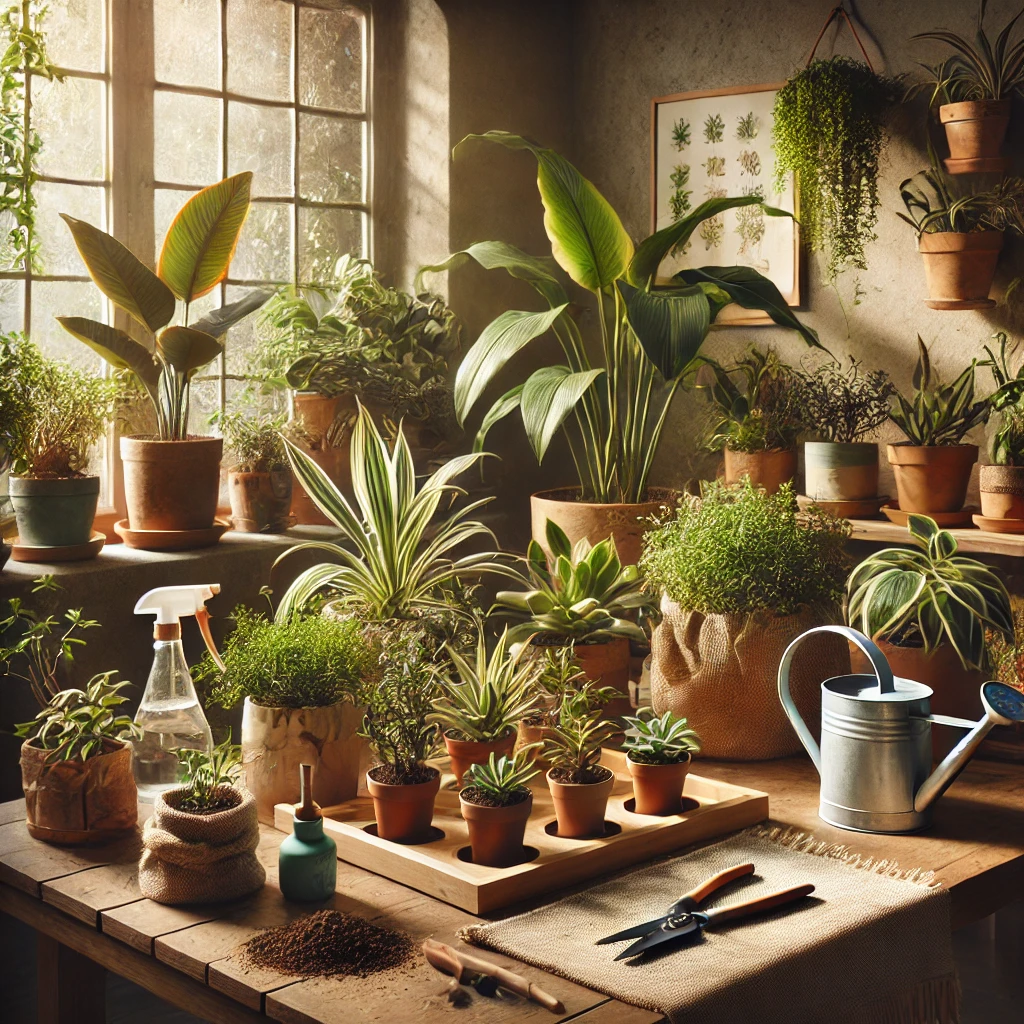
    Houseplants bring life, color, and fresh air into your home, but if you’re new to plant care, it can feel overwhelming. The good news? Most houseplants are easy to maintain with a little knowledge. Follow these simple tips to keep your indoor plants thriving.

    1. Choose the Right Plant

    Start with low-maintenance plants like pothos, snake plants, or peace lilies. These are resilient and can tolerate a range of conditions. Consider your home’s lighting—some plants need bright, indirect sunlight, while others thrive in low-light areas.

    2. Find the Perfect Spot

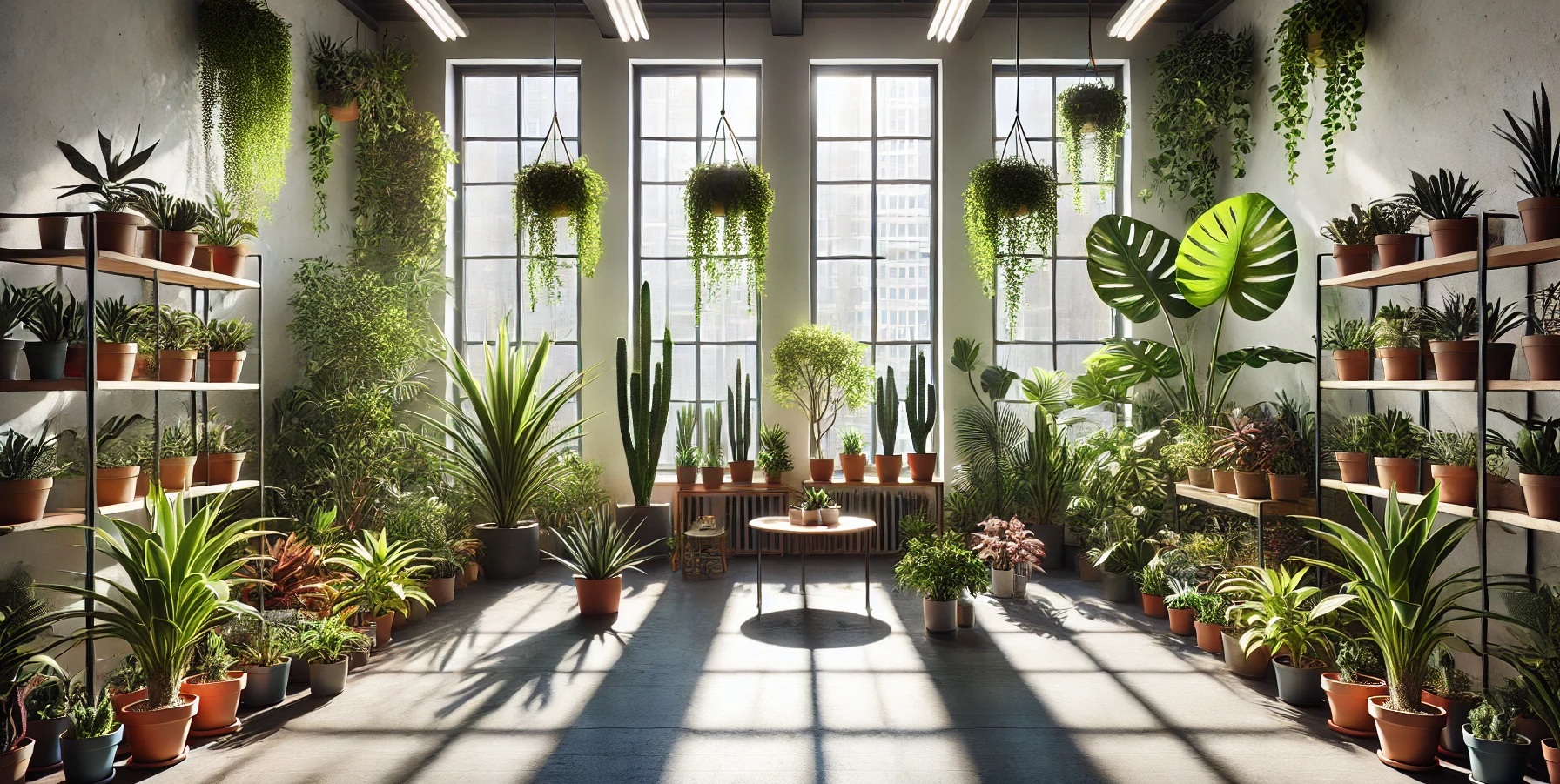
    Light is one of the most important factors for plant health. Observe your space and place plants where they get the right amount of natural light. South- and east-facing windows provide the best light, while low-light plants do well in shaded corners.

    3. Water Wisely

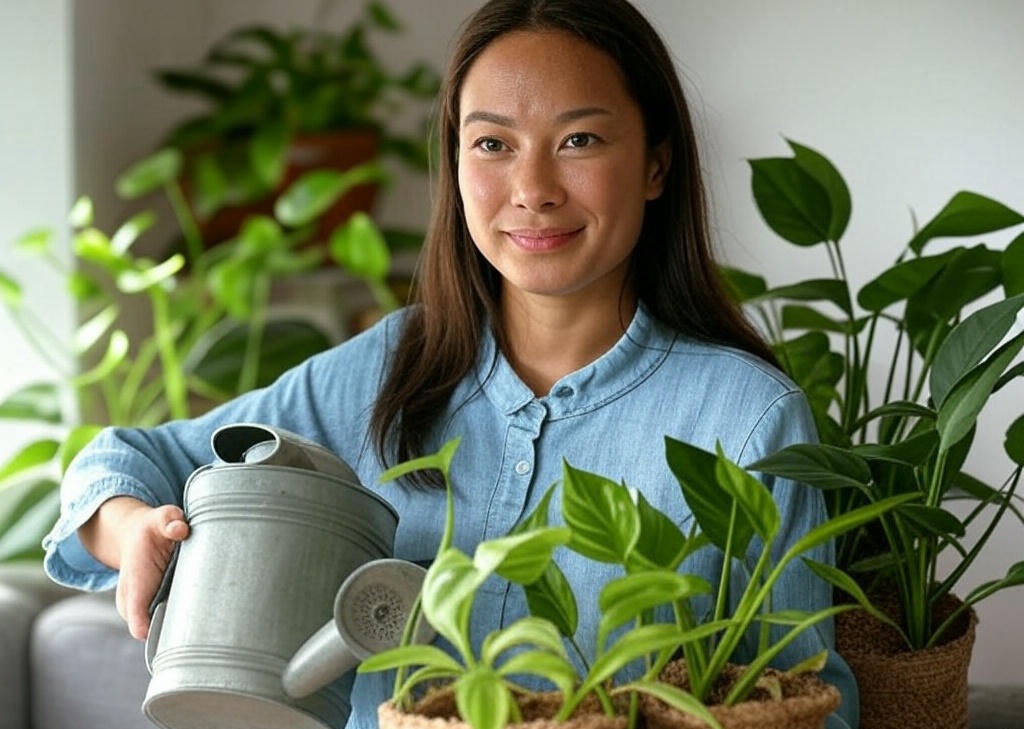
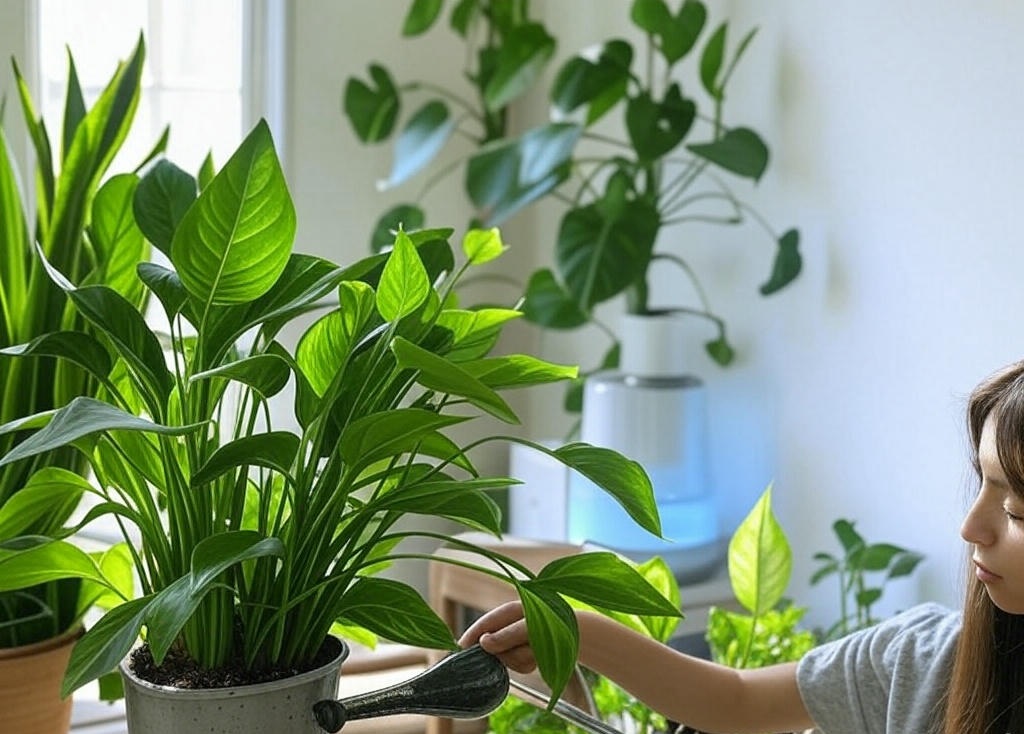
    Overwatering is the number one killer of houseplants! Instead of watering on a fixed schedule, check the soil first—if the top inch feels dry, it’s time to water. Use room-temperature water and make sure pots have drainage holes to prevent root rot.

    4. Provide Proper Humidity

    Many houseplants, especially tropical varieties, thrive in humid environments. If your home is dry, mist your plants occasionally, group them together, or use a humidifier. Bathrooms and kitchens often have higher humidity, making them great spots for certain plants.

    5. Feed Them Right

    Plants need nutrients just like we do! Use a balanced liquid fertilizer once a month during the growing season (spring and summer). Avoid over-fertilizing, as too much can harm your plants.

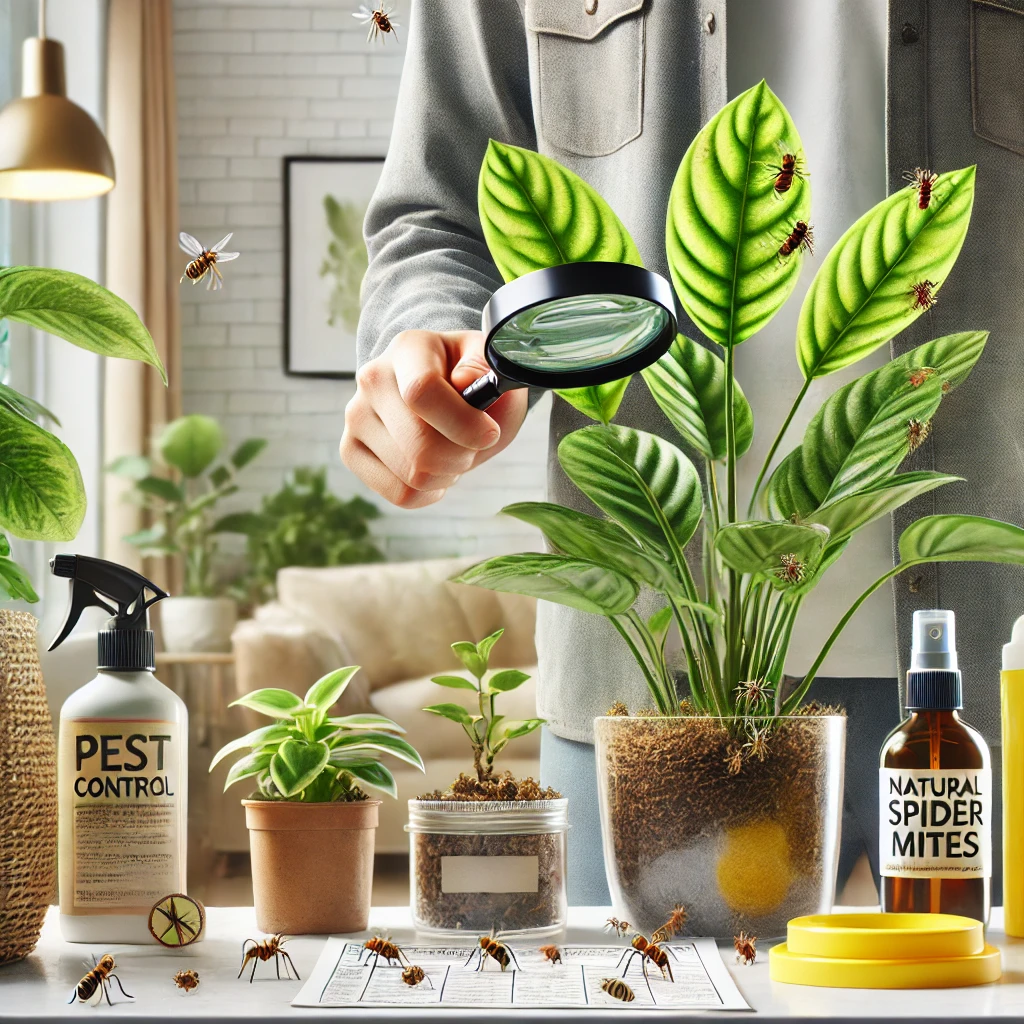
    6. Keep an Eye on Pests

    Watch out for tiny invaders like spider mites, aphids, and fungus gnats. If you notice sticky leaves, webbing, or yellowing, gently wipe leaves with a damp cloth and use insecticidal soap if needed.

    7. Repot When Necessary

    If roots start growing out of the drainage holes or your plant seems too crowded, it’s time to repot into a slightly larger container with fresh soil. Do this every 1–2 years to keep your plant happy.

    Enjoy Your Green Space!

    With just a little care and attention, houseplants can transform your space and boost your mood. Follow these simple tips, and soon you’ll have a thriving indoor jungle!

  • Starting a Vegetable Garden: A Step-by-Step Guide

    Starting a Vegetable Garden: A Step-by-Step Guide

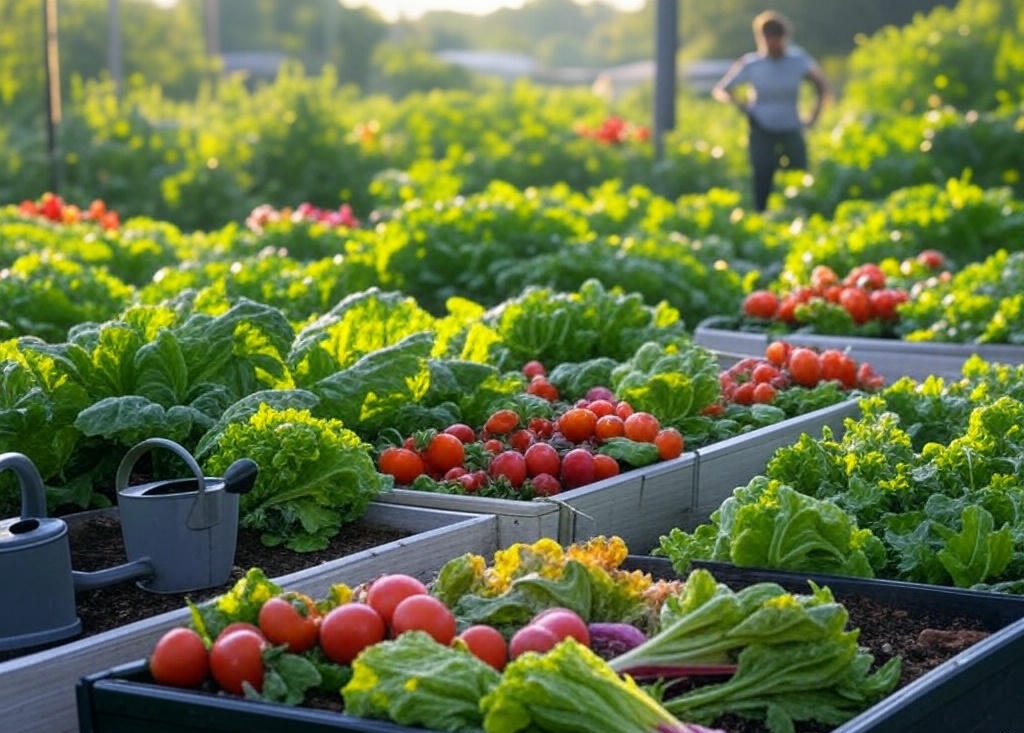
    Growing your own vegetables is rewarding, cost-effective, and a great way to eat fresh, healthy food. Whether you have a backyard or just a small balcony, starting a vegetable garden is easier than you think. Follow these steps to get started.

    1. Choose the Right Location

    The success of your garden starts with picking the right spot. Look for an area that gets at least 6–8 hours of sunlight daily. Ensure it has good drainage and is protected from strong winds. If you’re short on space, consider raised beds or containers.

    2. Plan Your Garden Layout

    Before digging, decide what vegetables to grow. Beginners should start with easy-to-grow plants like tomatoes, lettuce, radishes, or zucchini. Plan for proper spacing so each plant has room to grow. Companion planting—pairing plants that help each other—can improve growth and keep pests away.

    3. Prepare the Soil

    Healthy soil means healthy plants. Test your soil’s quality using a simple soil test kit to check its pH and nutrient levels. If needed, improve the soil by adding compost, organic matter, or aged manure. For container gardening, use a high-quality vegetable potting mix.

    4. Start Planting

    Choose seeds or seedlings depending on your preference. Read planting instructions carefully—some seeds need to be started indoors before transferring to the garden. Water freshly planted seeds lightly but consistently to help them germinate.

    5. Watering and Maintenance

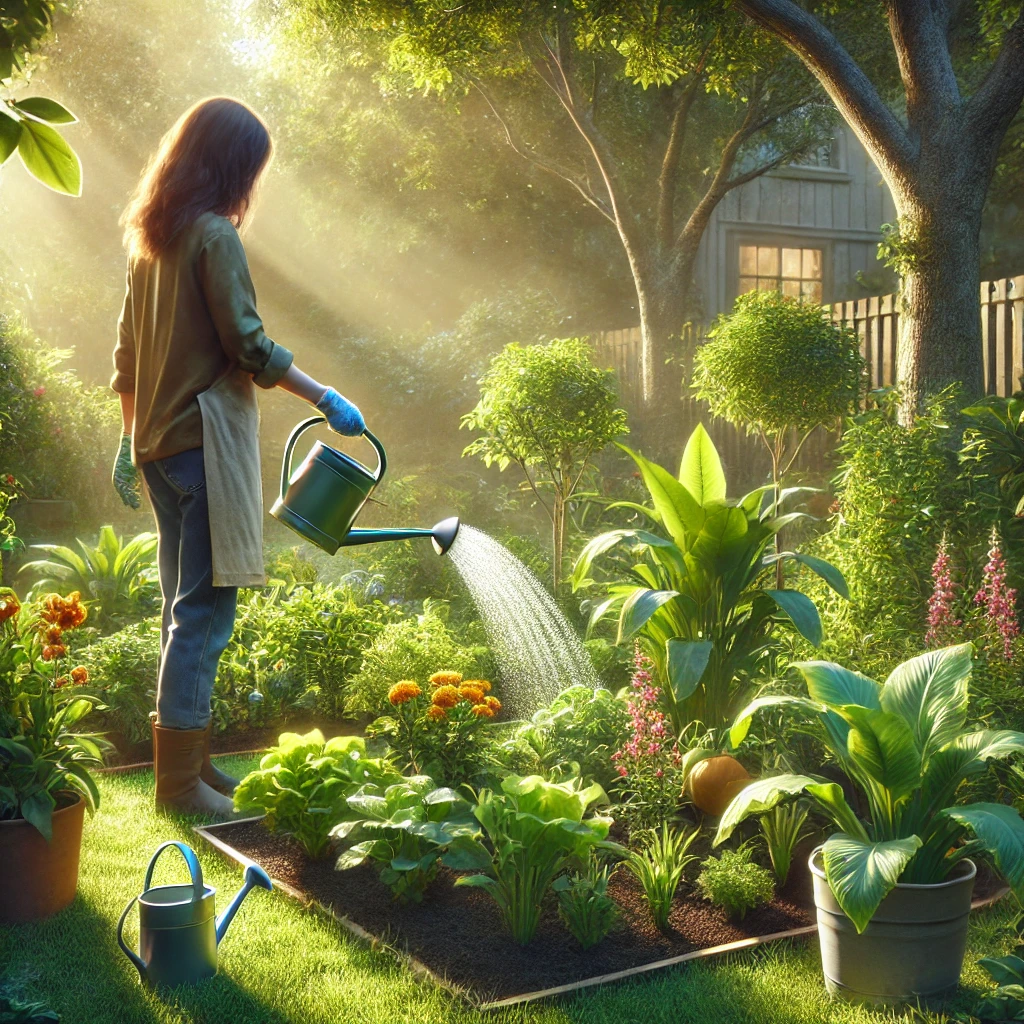
    Water your garden early in the morning or late in the afternoon to prevent evaporation. Most vegetables need about an inch of water per week. Mulching around plants helps retain moisture and prevent weeds. Regularly check for pests and remove weeds by hand to keep plants healthy.

    6. Harvest and Enjoy

    Each vegetable has its own harvesting time. Pick produce when it’s ripe to encourage continuous growth. Fresh vegetables taste best, so enjoy your harvest in salads, soups, or as delicious side dishes!

    Starting a vegetable garden doesn’t require expert skills—just patience and care. Follow these steps, and soon you’ll be enjoying homegrown food straight from your own garden!