Category: Care guide

  • Busy Professionals: Forgiving Houseplants, Quick Care

    Busy Professionals: Forgiving Houseplants, Quick Care

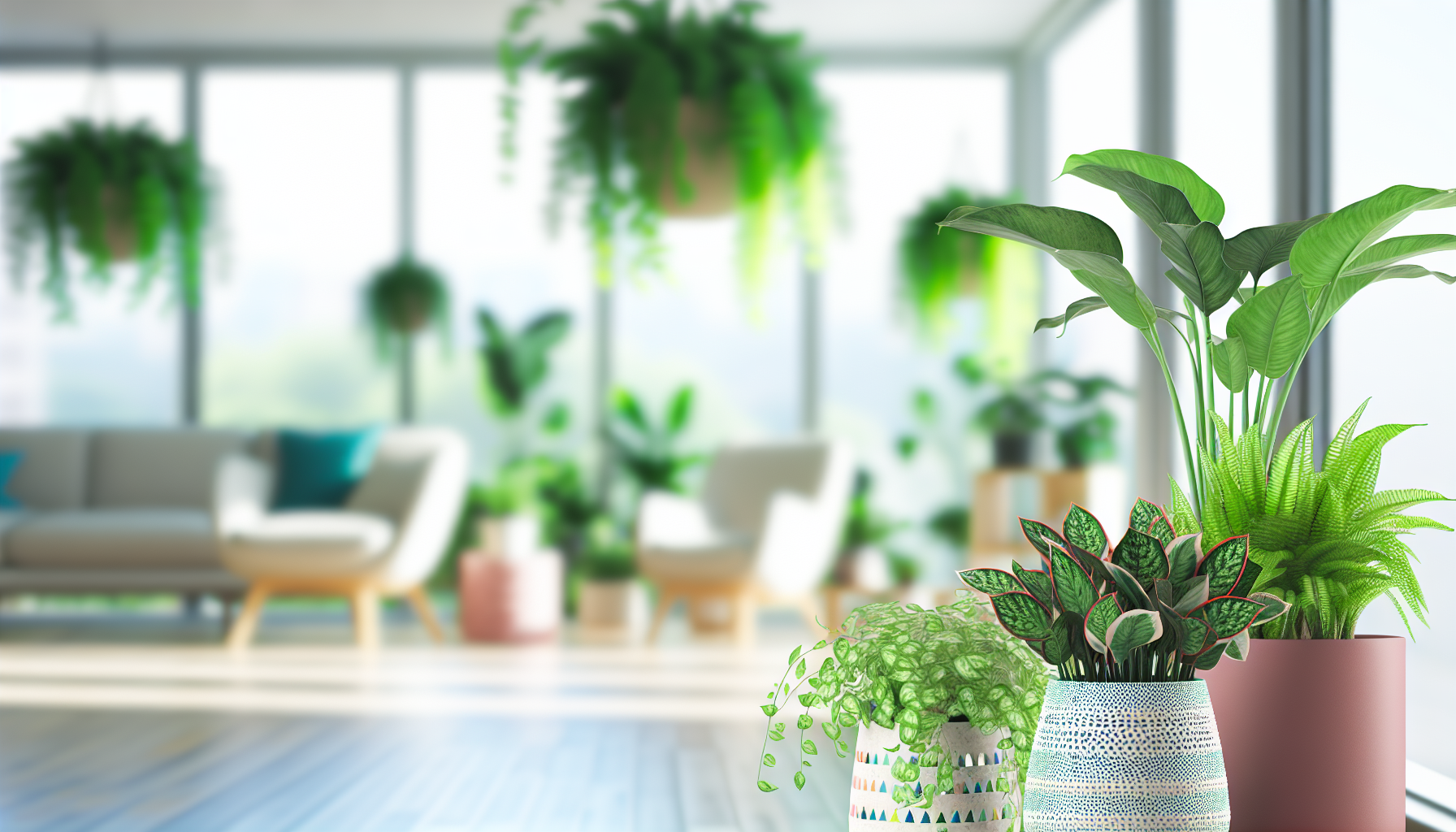
    For busy professionals, a thriving houseplant can boost mood, air quality, and productivity—without stealing your precious time. But the options are overwhelming, and fragile specimens can become decoration casualties in weeks. This beginner’s guide to houseplants for busy professionals breaks down the essentials: how to choose forgiving species, establish quick maintenance routines, optimize light and placement to fit a tight schedule, and handle common problems before they derail your greenery goals. Whether you work remotely, travel frequently, or juggle deadlines, these practical recommendations will help you enjoy greener corners with minimal effort. Read on to discover a streamlined path from plant-neophyte to confident indoor gardener. Even if your home has weak light or a hectic schedule, these strategies stay practical.

    Choosing forgiving, beginner-friendly plants

    For busy professionals, selecting the right plants saves time and reduces failures. Prioritize forgiving species that tolerate inconsistent watering, variable light, and indoor temperature shifts. Favor compact forms that fit on desks or shelves and leave a little room for growth. Start with greenery that thrives on neglect rather than needs meticulous care. The right starter set lowers the risk of a failed mission and builds your confidence.

    • Snake Plant (Sansevieria trifasciata)
    • ZZ Plant (Zamioculcas zamiifolia)
    • Spider Plant (Chlorophytum comosum)
    • Pothos (Epipremnum aureum)
    • Cast Iron Plant (Aspidistra elatior)
    • Rubber Plant (Ficus elastica)

    Maintaining with a busy schedule: quick routines and tools

    Any plant routine should be opt-in, not overwhelming. Create a 15-minute weekly check that covers watering, light, and dust. Use self-watering pots or a moisture meter for hands-off days. Group plants with similar needs and place them by a single outlet or water source. A simple fertilization plan (once a month in growing seasons) helps, but avoid overfeeding. With these streamlined steps, you’ll sustain color and vitality even when calendar fills with meetings and travel.

    Plantico app card

    Lighting, placement, and space optimization

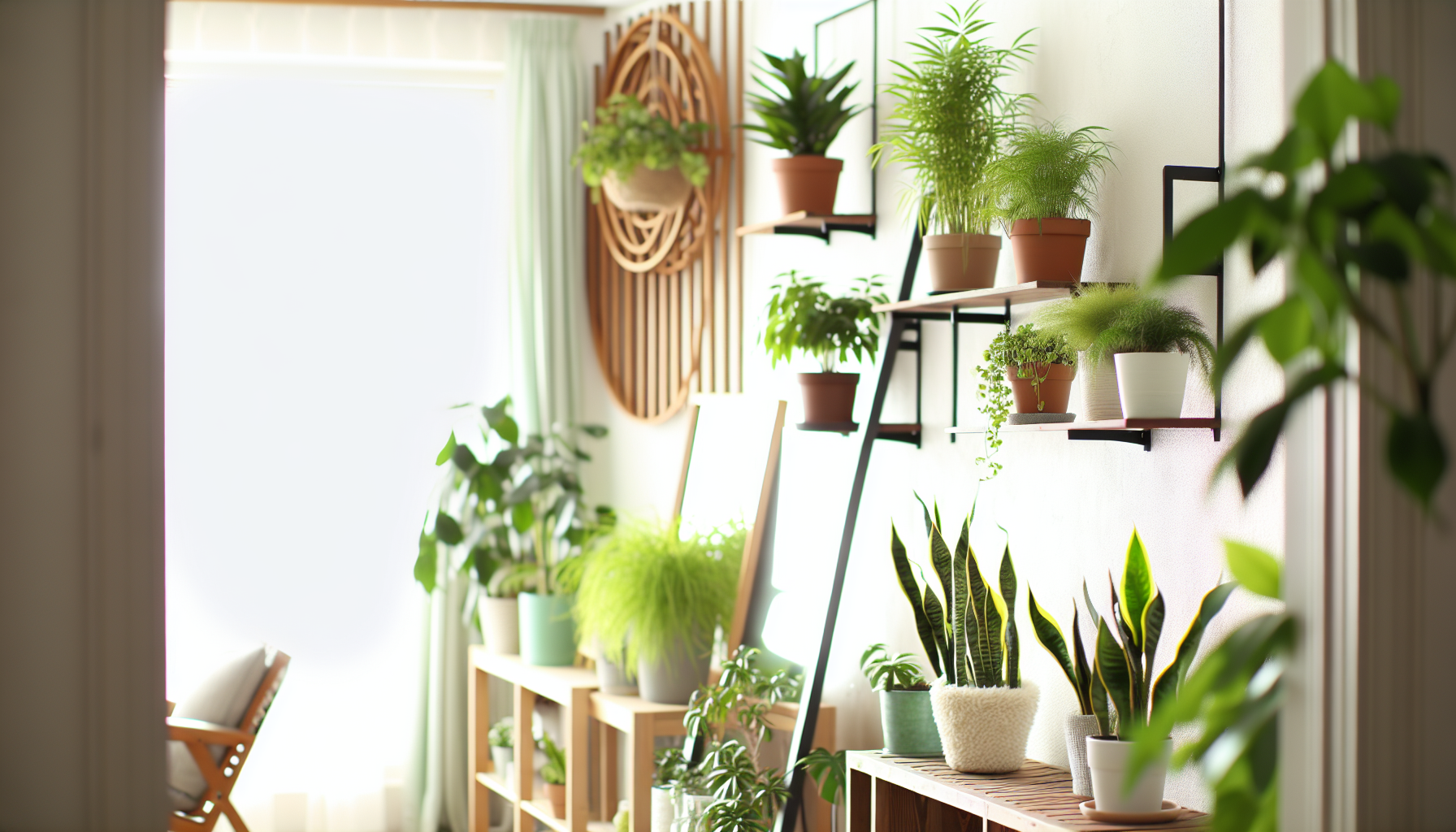
    Light is the silent caretaker of your indoor garden. Assess each spot by brightness and temperature and rotate plants every few weeks to prevent legginess. Place high-light species near south- or east-facing windows while forgiving varieties can thrive in indirect light from a shaded corner. Use vertical shelving, wall-mounted planters, or tiered plant stands to maximize small spaces without clutter. Acknowledging microclimates—cool corners vs. warm walls—lets you tailor placements so each plant receives what it needs, even in compact homes or offices.

    Troubleshooting and beginner-friendly species playbook

    Even with careful planning, occasional issues arise. Overwatering is the most common mistake; signs include yellowing leaves and a soggy scent. Underwatering shows drooping leaves and dry soil. Pests such as fungus gnats indicate overwatering or poor drainage. A simple, proactive approach works: inspect the soil moisture before watering, ensure pots have drainage, and wipe leaves to improve photosynthesis. Keep a small rotation of two or three hardy species and a lightweight insecticidal soap on hand for quick responses. By focusing on resilient varieties and practical routines, you reduce stress and keep your plants thriving week after week.

    Conclusion

    In a busy life, the smartest path to lush indoor greenery is simplicity and smart selection. Start with forgiving, compact plants that tolerate imperfect conditions, then implement a lightweight maintenance routine that fits into existing habits. Optimize light and space with vertical solutions and intentional placement, so each plant has room to thrive without demanding constant attention. Use tools like moisture meters or self-watering pots to bridge unavoidable gaps in your schedule. Finally, equip yourself with a basic troubleshooting mindset and a root-friendly fertilization cadence to keep health signals steady. With these steps, you’ll enjoy the aesthetic and mood benefits of houseplants without becoming overwhelmed by care routines.

  • Starter Plants for Millennials: Easy Care in Small Spaces

    Starter Plants for Millennials: Easy Care in Small Spaces

    Choosing the Right Starter Plants for Millennials

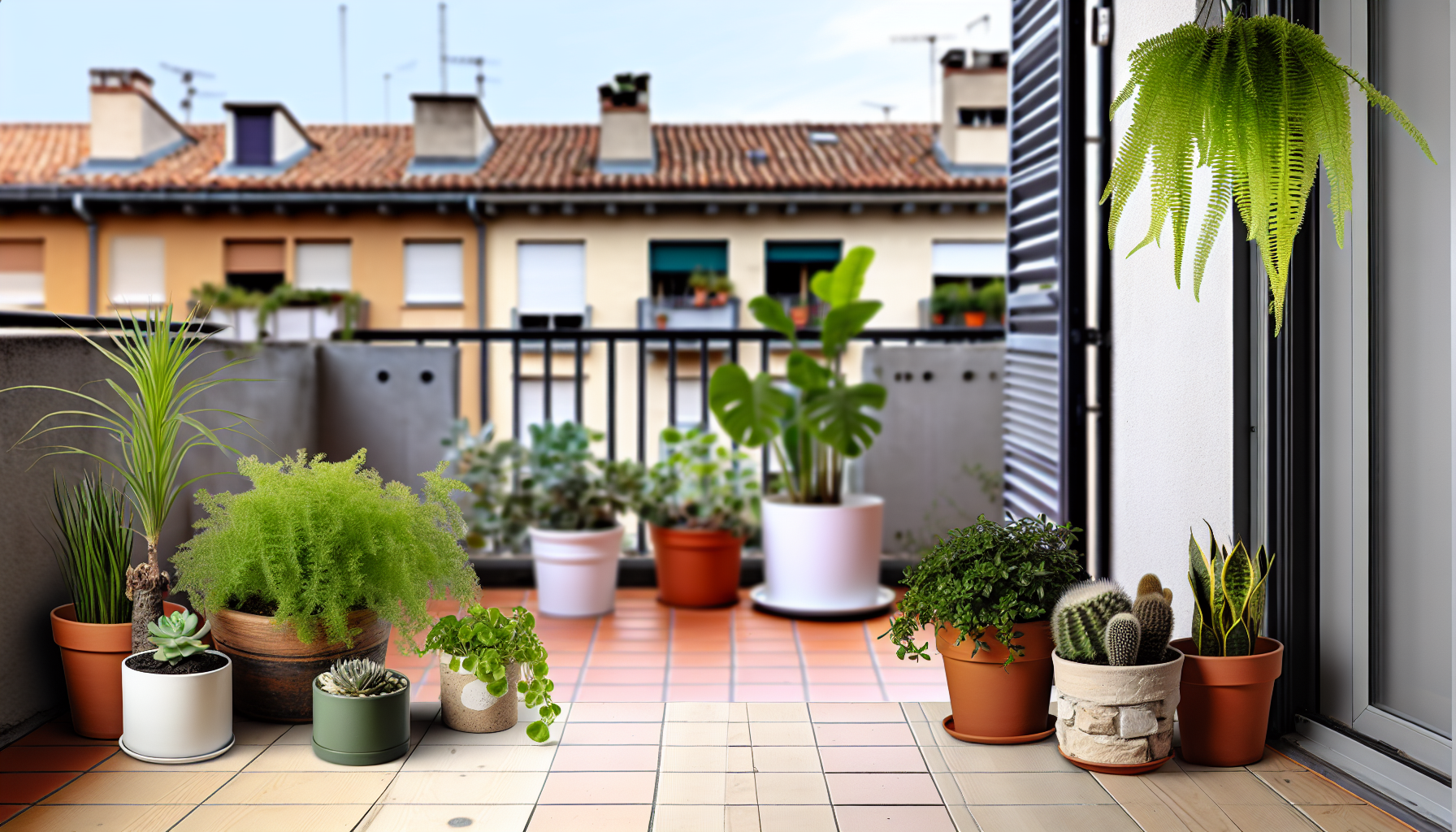
    Millennials often search for houseplants that fit compact urban spaces, fit a busy lifestyle, and deliver tangible mood-boosting benefits. This guide begins with the essentials: why beginner-friendly species matter, how to read basic care cues, and how to build a resilient collection without sinking time or money into high-maintenance setups. You’ll learn which plants tolerate low light, irregular watering, and small containers—perfect for rental apartments, shared living spaces, or a first independent home. The flow moves from selecting forgiving varieties to mastering simple routines, so you can start small, scale with confidence, and enjoy greenery that grows with your routine, not against it.

    Chapter title

    Chapter 1: Choosing the Right Starter Plants for Millennials

    Begin with a handful of forgiving species that welcome beginners and still offer visual payoff. Think trail-friendly vines, architectural standouts, and foliage-rich specimens that forgive watering mistakes. The goal is consistency over intensity—plants that recover quickly when you miss a watering cycle or forget a dusting. Practical selection matters: pick varieties that thrive in typical apartment lighting, fit your space, and pair well with a modern interior. Below are five beginner-friendly options and why they work for you:

    • Pothos (Epipremnum aureum): excels in low to bright indirect light, tolerates erratic watering, and quickly fills shelves with green trails.
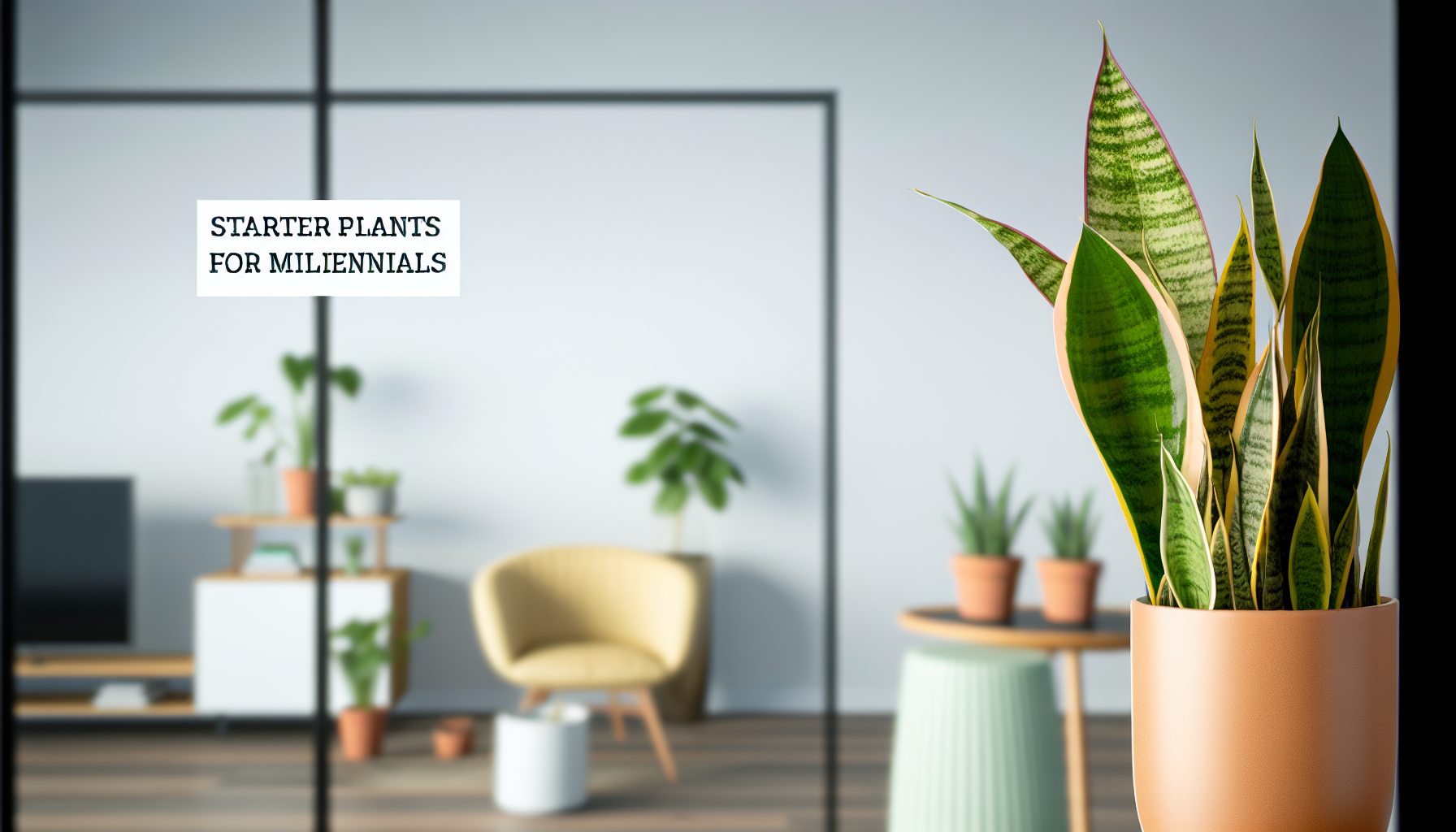
    • Snake Plant (Sansevieria): nearly indestructible, stores water in leaves, and thrives in a range of light conditions.
    • ZZ Plant (Zamioculcas zamiifolia): drought-tolerant, glossy leaves, and forgiving of occasional neglect.
    • Spider Plant (Chlorophytum comosum): adaptable, produces pups, and enjoys bright to moderate indirect light.
    • Philodendron Heartleaf: forgiving, compact vines that do well in indirect light with steady routine.

    Care notes for these starters are simple: use a well-draining potting mix, choose pots with drainage, water only after the top inch of soil dries, and avoid feeding during the winter months when plant growth slows. By curating a small, dependable roster, you set a solid foundation for growth without overwhelming your schedule or budget.

    Chapter title

    Chapter 2: Care Foundations: Light, Water, Soil, and Feeding

    Success hinges on predictable, repeatable routines. First, assess your space for light: most urban apartments provide bright indirect light or medium light. Place your plants within 3-6 feet of a window but out of direct noon sun to prevent leaf scorch. Watering should become a habit, not a guess—water thoroughly until runoff and then wait until the top inch of soil dries. Soil matters: a well-draining mix (potting soil with perlite or orchid bark) prevents root rot in compact pots. Feeding is optional for beginners; if used, dilute a balanced fertilizer to half strength every 4-6 weeks during the growing season. Finally, ensure proper drainage with pots that have drainage holes to reduce moisture buildup.

    App Card

    Chapter title

    Chapter 3: Smart Placement and Design for Small Spaces

    Placement turns good plants into a cohesive living décor. Use vertical space: hanging planters, wall shelves, and tiered plant stands maximize floor area. Group plants with similar light needs to create microclimates—this simplifies care and reduces watering errors. Consider humidity pockets in bathrooms or kitchens; some tropicals appreciate a bit more moisture, while others tolerate drier air. Rotate pots every few weeks to promote even growth and prevent legginess. Clean leaves regularly to optimize photosynthesis and reduce pest risk. Finally, design with purpose: allocate a “care zone” that fits your weekly routine, so watering, rotation, and pruning become predictable habits rather than chores.

    Chapter title

    Chapter 4: Growth, Propagation, and Budget-Smart Upgrades

    As confidence grows, multiplication becomes the next milestone. Propagation is a cost-effective way to expand your green family. Start with easy cuttings: take a stem with a few leaves, place in water or moist soil, and wait for roots to appear. Leaf-cuttings and pups from mature plants can multiply quickly, feeding your apartment’s aesthetics without frequent purchases. Repot when roots crowd the pot—usually every 12-24 months for most beginners. Use inexpensive containers or repurpose jars to practice sustainable decorating. Engage with online plant communities or care apps to track watering schedules, light changes, and pest alerts. Gradually diversify to maintain enthusiasm and ongoing learning.

    Conclusion

    Houseplants for millennials 101 is about building a practical, scalable routine that fits a dynamic lifestyle. Start with forgiving species, master simple care routines, and design your space with function and style in mind. As your confidence grows, you can expand thoughtfully through propagation, budget-friendly upgrades, and community knowledge. The result is a thriving, low-stress indoor garden that enhances mood, air, and aesthetics—without overwhelming your schedule or your wallet. Remember, consistency beats perfection; small, regular care yields lush, lasting results that feel like a personal achievement and a smart lifestyle choice. Welcome to your growing green journey.

  • Seasonal Houseplant Care: Adjusting to Changing Conditions

    Seasonal Houseplant Care: Adjusting to Changing Conditions

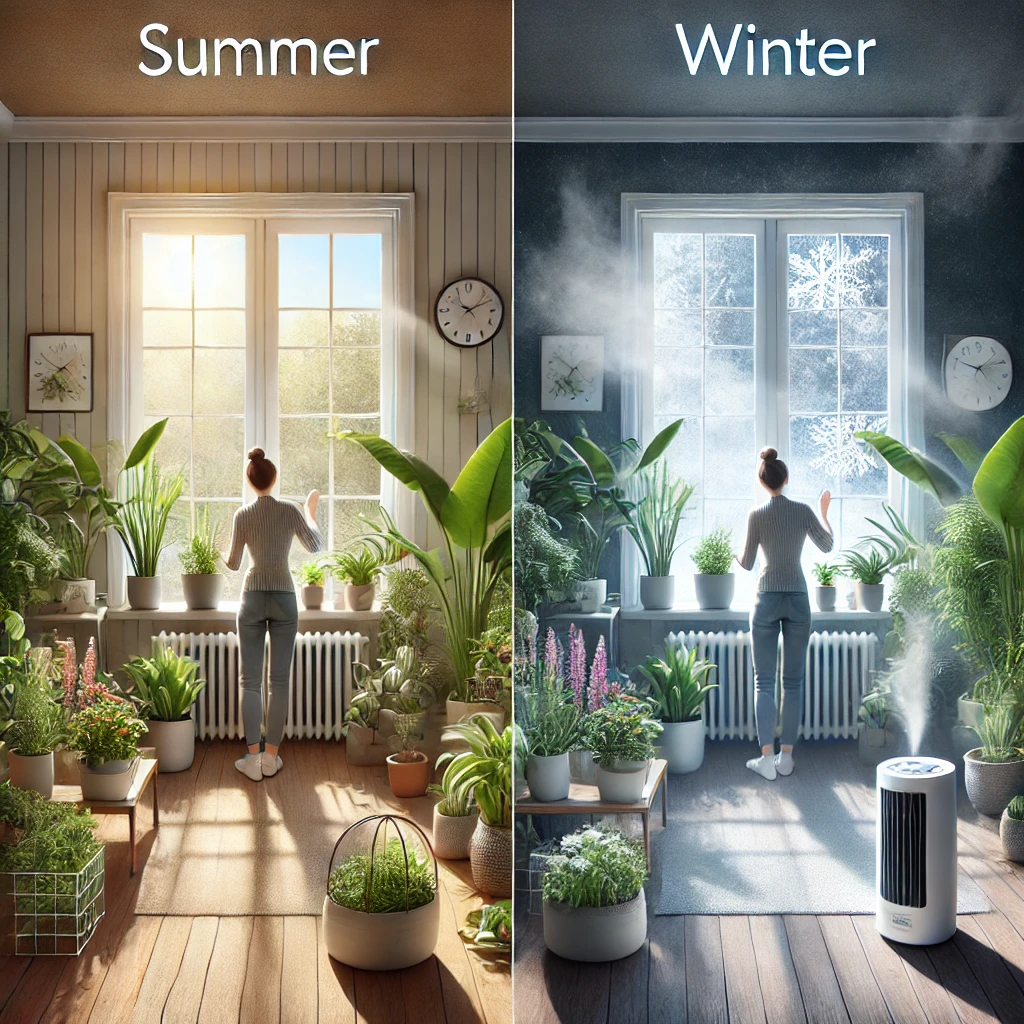
    Houseplants need different care throughout the year as light, temperature, and humidity levels shift. Adjusting your routine to match seasonal changes will help keep your plants healthy and thriving year-round.

    Spring: Growth and Repotting Season

    • Increase watering as plants come out of dormancy.
    • Begin fertilizing with a balanced plant food.
    • Repot root-bound plants and refresh the soil.
    • Prune dead or damaged leaves to encourage new growth.

    Summer: Managing Heat and Light

    • Water more frequently, as higher temperatures dry soil faster.
    • Provide shade or move plants away from direct sunlight to prevent leaf burn.
    • Increase humidity with a pebble tray or misting.
    • Watch for pests like spider mites that thrive in warm conditions.

    Autumn: Preparing for Dormancy

    • Reduce watering as growth slows down.
    • Stop fertilizing to let plants rest.
    • Move plants closer to windows to maximize natural light.
    • Keep an eye out for seasonal pest infestations.

    Winter: Low Light and Dry Air

    • Water sparingly, only when the soil is dry.
    • Use grow lights for plants that need more light.
    • Keep plants away from cold drafts and heating vents.
    • Maintain humidity with a humidifier or grouping plants together.

    Final Thoughts

    By adjusting your care routine each season, you can ensure your houseplants stay healthy all year. Observe their needs and make small changes to help them adapt to the environment!

  • Preventing and Managing Common Houseplant Pests

    Preventing and Managing Common Houseplant Pests

    Houseplants bring life to any space, but unwanted pests can threaten their health. Identifying pests early and using natural control methods can keep your indoor garden thriving. Here’s how to prevent and manage common houseplant pests effectively.

    1. Common Houseplant Pests and Signs

    Watch for these pests and their symptoms:

    • Aphids – Tiny green or black insects clustering on new growth, causing wilting.
    • Spider Mites – Webbing on leaves, yellowing, and tiny moving specks.
    • Mealybugs – White, cotton-like clusters on stems and leaf joints.
    • Fungus Gnats – Tiny black flies near the soil, often due to overwatering.
    • Scale Insects – Small, brown, shell-like bumps on stems and leaves.

    2. Natural Pest Control Methods

    Instead of harsh chemicals, try these safer solutions:

    • Neem Oil – A natural insecticide; mix with water and spray on affected areas.
    • Insecticidal Soap – Kills soft-bodied pests without harming plants.
    • Rubbing Alcohol – Dab mealybugs or scale with a cotton swab soaked in alcohol.
    • Sticky Traps – Catch fungus gnats by placing yellow sticky traps near plants.
    • Beneficial Insects – Ladybugs and predatory mites help control pests naturally.

    3. Preventing Future Infestations

    A few simple habits can keep pests away:

    • Inspect new plants – Quarantine for a few weeks before placing them with others.
    • Avoid overwatering – Damp soil attracts gnats and mold.
    • Wipe leaves regularly – Dust-free leaves are less prone to infestations.
    • Improve air circulation – Good airflow reduces fungal issues and pest buildup.

    Final Thoughts

    By spotting pests early and using natural treatments, you can protect your houseplants without harmful chemicals. With regular care and preventive measures, your indoor garden will remain healthy and pest-free!

  • Growing Houseplants Without Soil: A Beginner’s Guide

    Growing Houseplants Without Soil: A Beginner’s Guide

    Did you know you can grow houseplants without soil? Soilless cultivation is a clean, low-maintenance way to keep plants thriving. Whether using water, hydroponic systems, or alternative mediums, this guide will help you get started.

    1. Best Plants for Soilless Growing

    Not all plants need soil to flourish. Here are some great options:

    • Pothos – Grows easily in water with minimal care.
    • Spider Plant – Thrives in water and produces baby plants.
    • Lucky Bamboo – A classic water-growing plant that needs indirect light.
    • Philodendron – Adaptable and perfect for water propagation.
    • Peace Lily – Can grow in water with occasional nutrient boosts.

    2. Growing Plants in Water

    Water propagation is the simplest soilless method. Follow these steps:

    1. Choose a healthy cutting – Snip a stem with at least one node (where roots grow).
    2. Place it in a container – Use a glass jar or vase with clean, room-temperature water.
    3. Change the water regularly – Refresh every 5–7 days to prevent bacteria.
    4. Provide indirect light – Keep plants in a bright spot but out of direct sun.
    5. Add nutrients occasionally – Use liquid plant food monthly for strong growth.

    3. Alternative Growing Mediums

    If you want a step beyond water, consider these options:

    • LECA (Lightweight Expanded Clay Aggregate) – Small clay balls that retain moisture and support root growth.
    • Perlite or Vermiculite – Lightweight, porous materials that hold water and nutrients.
    • Sphagnum Moss – Great for orchids and moisture-loving plants.

    4. Essential Care Tips

    • Monitor root health – Trim any slimy or decaying roots.
    • Keep water oxygenated – Use an air pump for hydroponic setups.
    • Supplement with nutrients – Since there’s no soil, occasional fertilization is needed.

    Final Thoughts

    Growing houseplants without soil is simple, mess-free, and rewarding. Whether you start with water propagation or explore hydroponics, soilless gardening offers a unique and beautiful way to care for plants indoors. Give it a try and enjoy lush greenery with minimal effort!

  • Caring for Orchids: Expert Tips for a Flourishing Bloom

    Caring for Orchids: Expert Tips for a Flourishing Bloom

    Orchids are stunning and elegant plants, but they require specific care to thrive. With the right watering, lighting, and repotting techniques, your orchids can bloom beautifully year after year. Follow these expert tips to keep your orchids healthy and vibrant.

    1. Watering: Finding the Right Balance

    Overwatering is a common mistake with orchids. Here’s how to do it right:

    • Water once a week in warm months and every two weeks in cooler months.
    • Use room-temperature water and let it drain completely—never let orchids sit in standing water.
    • If using ice cube watering, place one to three cubes on the roots weekly for gradual absorption.

    2. Light Conditions: Bright but Indirect

    Orchids need plenty of light, but direct sunlight can scorch their leaves. The best lighting conditions include:

    • Bright, indirect light – Place orchids near east- or south-facing windows with sheer curtains.
    • Leaf color as an indicator – Healthy orchid leaves should be light green; dark green means too little light, while yellowish leaves indicate too much.
    • If natural light is insufficient, use LED grow lights to supplement.

    3. Choosing the Right Pot and Soil

    Orchids require well-draining pots and special growing mediums:

    • Use a pot with drainage holes to prevent root rot.
    • Opt for bark-based orchid mix instead of regular potting soil to allow airflow.
    • Repot every 1-2 years when the mix breaks down or roots outgrow the container.

    4. Encouraging Blooms and Growth

    To keep your orchid flowering:

    • Maintain humidity levels between 50-70% by misting or using a humidity tray.
    • Fertilize every two weeks with a diluted orchid fertilizer during the growing season (spring and summer).
    • Allow a cooler nighttime temperature (55–65°F or 13–18°C) to encourage blooming.

    Final Thoughts

    With proper care—balanced watering, ideal lighting, and occasional repotting—your orchids will reward you with stunning, long-lasting blooms. Be patient, observe your plant’s needs, and enjoy the beauty of these exotic flowers!

  • Understanding Basic Plant Care Principles

    Understanding Basic Plant Care Principles

    Caring for plants doesn’t have to be complicated! Whether you’re a beginner or just looking to improve your skills, understanding the fundamental needs of plants—sunlight, water, and nutrients—will set you up for success. Let’s explore these essential principles.

    1. Sunlight: Finding the Right Balance

    Plants rely on light for energy through photosynthesis. Different plants have different light requirements:

    • Bright, Direct Light – Ideal for succulents, cacti, and herbs like basil. These thrive in sunny windows.
    • Bright, Indirect Light – Suited for pothos, monsteras, and peace lilies. Place them near windows but out of harsh sunlight.
    • Low Light – Best for snake plants, ZZ plants, and ferns. They can survive in dim corners or offices with minimal light.

    If your home lacks natural light, LED grow lights can provide the necessary brightness for healthy growth.

    2. Watering: Avoid Overwatering and Underwatering

    Water is crucial, but too much or too little can harm plants. Follow these tips:

    • Check the soil before watering – Stick your finger an inch deep; if it’s dry, water the plant.
    • Water slowly and evenly – Ensure water reaches the roots without flooding.
    • Drainage is key – Use pots with drainage holes to prevent root rot.

    Plants typically need less water in winter since they grow slower.

    3. Nutrients: Feeding Your Plants Properly

    Like humans, plants need food! Soil provides nutrients, but over time, fertilizers help replenish them:

    • General-purpose fertilizer works for most houseplants.
    • Liquid fertilizers are easy to use—apply every 4–6 weeks during the growing season (spring and summer).
    • Avoid over-fertilizing, which can damage roots. Follow package instructions carefully.

    4. Recognizing Plant Stress

    If your plant isn’t thriving, look for these signs:

    • Yellow leaves – Usually caused by overwatering or poor drainage.
    • Brown edges – Could mean low humidity or too much direct sunlight.
    • Drooping leaves – Often a sign of underwatering or root issues.

    Final Thoughts

    Understanding these basic plant care principles—sunlight, water, and nutrients—will help you cultivate thriving, healthy plants. Start with easy-to-care-for plants and adjust as you learn. With a little attention, your indoor or outdoor garden will flourish!

  • Top Tips for Successful Houseplant Maintenance

    Top Tips for Successful Houseplant Maintenance

    Keeping houseplants healthy and thriving doesn’t have to be complicated. With the right approach to watering, light placement, and general care, your indoor garden will flourish. Here are some essential tips to help you maintain happy, healthy plants.

    1. Master Proper Watering Techniques

    Overwatering is the most common mistake plant owners make. Here’s how to get it right:

    • Check the soil – Stick your finger about an inch into the soil; if it feels dry, it’s time to water.
    • Use the right amount – Water slowly until you see excess draining from the bottom.
    • Adjust for seasons – Plants need less water in winter when growth slows down.

    2. Place Your Plants in the Right Light

    Light is crucial for plant health. Position your plants according to their needs:

    • Bright, Direct Light – Ideal for succulents, cacti, and fiddle-leaf figs.
    • Bright, Indirect Light – Suited for pothos, peace lilies, and monsteras.
    • Low Light – Great for snake plants, ZZ plants, and ferns.

    If your space lacks natural light, consider LED grow lights to supplement.

    3. Recognize When Your Plant Needs Repotting

    Signs your plant is outgrowing its pot:

    • Roots growing out of drainage holes.
    • Water sits on top of the soil instead of draining.
    • Slow or stunted growth despite proper care.

    Repot your plant in a container 1–2 inches larger than the current one and use fresh soil to provide new nutrients.

    4. Watch for Pest Problems

    Common houseplant pests include aphids, spider mites, and fungus gnats. Signs of infestation:

    • Yellowing or curling leaves.
    • Sticky residue on leaves.
    • Webbing on stems and leaves.

    To prevent pests, regularly inspect plants, wipe leaves with a damp cloth, and use neem oil or insecticidal soap if needed.

    5. Keep Humidity and Temperature in Check

    Most houseplants thrive in temperatures 65–75°F (18–24°C) with moderate humidity. If your home is dry, increase humidity by:

    • Grouping plants together.
    • Using a humidifier.
    • Placing a water tray with pebbles near plants.

    Final Thoughts

    Caring for houseplants is easy with the right knowledge! By following these tips, you’ll create an ideal environment for your plants to grow and thrive, making your home greener and more vibrant.

  • Comprehensive Guide to Indoor Plant Care

    Comprehensive Guide to Indoor Plant Care

    Keeping indoor plants healthy and thriving requires attention to key factors like light, temperature, watering, and nutrients. Whether you’re a beginner or an experienced plant owner, understanding these essentials will help you maintain vibrant, long-lasting greenery in your home.

    1. Light: Finding the Right Balance

    Light is crucial for plant growth, but different plants have different needs:

    • Bright, Direct Light – Ideal for succulents, cacti, and fiddle-leaf figs. Place these near sunny windows.
    • Bright, Indirect Light – Suited for pothos, monstera, and peace lilies. Position them near windows with filtered sunlight.
    • Low Light – Best for snake plants, ZZ plants, and ferns. These can thrive in rooms with minimal natural light.

    If your home lacks sunlight, consider using LED grow lights to supplement natural light.

    2. Temperature and Humidity: Creating the Ideal Environment

    Most houseplants thrive in temperatures between 65–75°F (18–24°C). Avoid placing them near drafty windows, heating vents, or air conditioners, as sudden temperature changes can stress plants.

    Humidity is also important, especially for tropical plants. If your home is dry, increase humidity by:

    • Grouping plants together
    • Using a humidifier
    • Misting plants occasionally

    3. Watering: How Much is Enough?

    Overwatering is a common mistake that leads to root rot. Follow these guidelines:

    • Check the soil – Water only when the top inch feels dry.
    • Use the right pot – Ensure pots have drainage holes to prevent water buildup.
    • Adjust for seasons – Water less in winter when plant growth slows down.

    4. Nutrients and Fertilizing: Feeding Your Plants

    Houseplants need nutrients to grow strong and healthy. Use a balanced liquid fertilizer every 4–6 weeks during the growing season (spring and summer). Avoid over-fertilizing, as this can damage roots.

    5. Pruning and Repotting: Keeping Plants Healthy

    • Prune dead or yellow leaves to encourage new growth.
    • Repot plants every 1–2 years when roots outgrow their pots, using fresh soil to replenish nutrients.

    Final Thoughts

    By understanding these key factors, you can create the perfect environment for your indoor plants to thrive all year round. With proper light, temperature, watering, and nutrients, your plants will stay healthy and beautiful, adding life to your home!

  • Understanding Indoor Plant Light Requirements

    Understanding Indoor Plant Light Requirements

    Light is one of the most important factors for keeping houseplants healthy. But not all plants need the same amount of light, and understanding your home’s lighting conditions can help you choose the right plants. Here’s a simple guide to indoor plant light requirements.

    1. Know Your Light Levels

    Before choosing plants, observe how much natural light your space gets. There are three main types of indoor lighting:

    • Bright, Direct Light – This comes from south- or west-facing windows and provides several hours of strong sunlight. Best for succulents, cacti, and fiddle-leaf figs.
    • Bright, Indirect Light – Sunlight is filtered through curtains or bounces off walls. Ideal for pothos, spider plants, and peace lilies.
    • Low Light – Spaces away from windows or rooms with only artificial light. Great for snake plants, ZZ plants, and ferns.

    2. Test Your Light

    Not sure how much light your plants are getting? Try these simple tests:

    • Hand Shadow Test – Hold your hand near the plant. A sharp, defined shadow means bright light, while a faint shadow means low light.
    • Observe Sun Patterns – Notice how sunlight moves through your home at different times of the day.

    3. Choosing the Right Plants for Your Light Conditions

    • For Bright Light: Aloe vera, succulents, fiddle-leaf fig, rubber plant.
    • For Medium (Indirect) Light: Monstera, pothos, philodendron, peace lily.
    • For Low Light: Snake plant, ZZ plant, cast iron plant, ferns.

    4. Supplementing with Artificial Light

    If your home lacks natural light, you can use grow lights to help plants thrive. LED grow lights mimic sunlight and are great for keeping plants healthy in darker spaces.

    5. Signs Your Plant Needs More (or Less) Light

    • Too much light: Leaves turn crispy, brown, or start curling.
    • Too little light: Slow growth, leggy stems, or yellowing leaves.

    By understanding your home’s light conditions, you can select the perfect plants and create a thriving indoor garden. Happy growing!