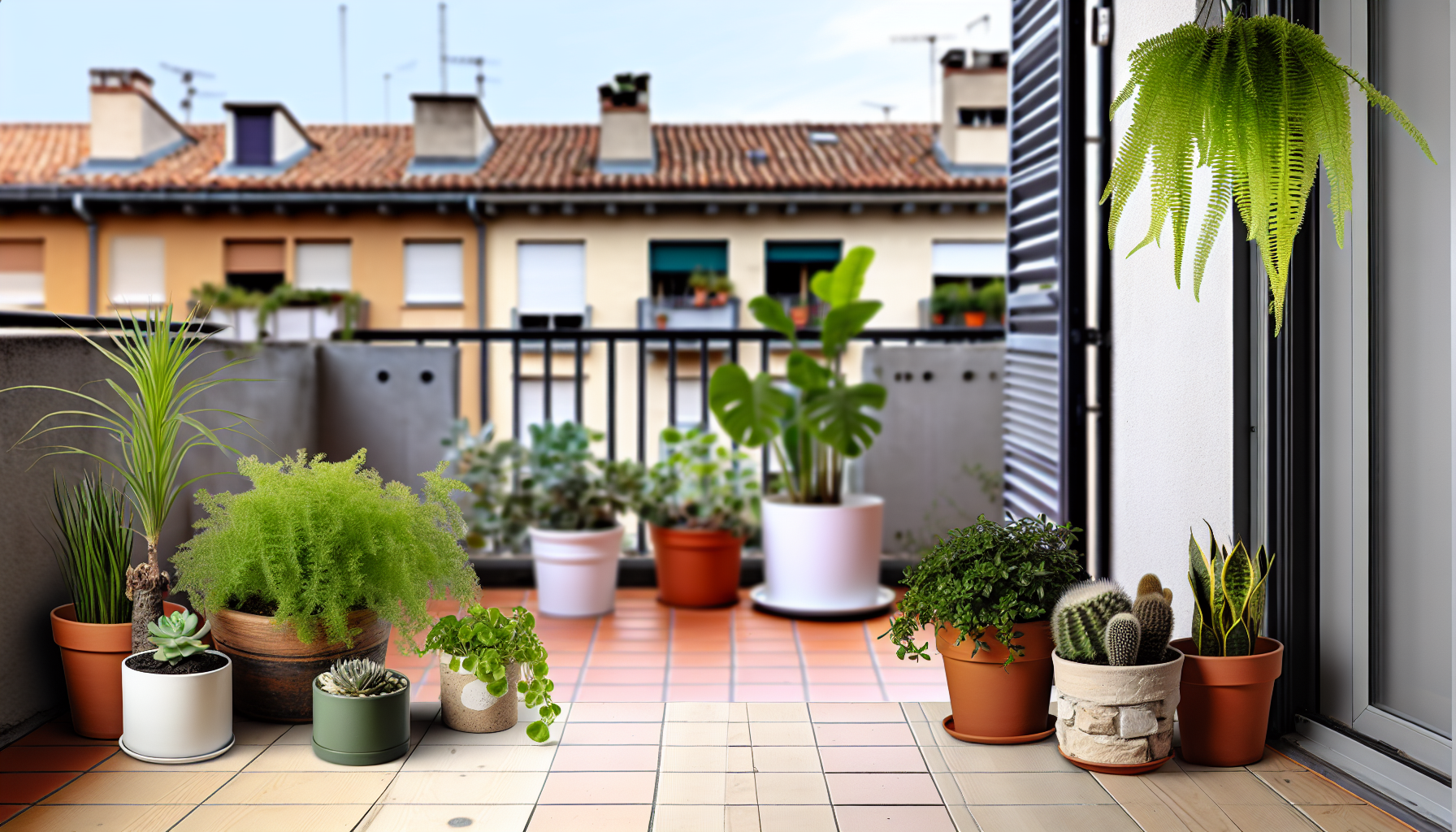
Houseplants for urban homes beginners guide: Growing greenery in city apartments and small homes can transform air quality, mood, and decor. This guide walks you through selecting beginner-friendly plants, creating a light-friendly setup in crowded spaces, and building simple care routines that fit a busy urban lifestyle. We’ll cover choosing resilient species, understanding light and space constraints, watering and soil basics, and practical maintenance tips to prevent common issues. Whether you live in a compact studio, a high-rise with limited windows, or a north-facing condo, you can start with a few easy plants and gradually expand. By the end you’ll have a simple toolkit to cultivate thriving houseplants that suit urban living. With the right approach, even a small window can host a flourishing mini greenhouse.
Choosing the Right Houseplants for Urban Living
Urban homes often lack ideal light and space, so start with resilient, compact species. Begin with beginner-friendly options such as snake plant (Sansevieria), pothos (Epipremnum aureum), ZZ plant (Zamioculcas zamiifolia), spider plant (Chlorophytum comosum), and peace lily (Spathiphyllum). These tolerate a range of light levels and occasional neglect while still delivering greenery and improved air quality. Consider your available space: trailing vines can fill shelves, compact varieties fit tabletops, and tall plants can anchor corners without crowding. If you have pets, prioritize non-toxic selections or place plants out of reach. Aim for 2–3 sturdy starters to practice basic care, then gradually expand as confidence grows.
- Snake Plant (Sansevieria)
- Pothos (Epipremnum aureum)
- ZZ Plant (Zamioculcas zamiifolia)
- Spider Plant (Chlorophytum comosum)
- Peace Lily (Spathiphyllum)
Light, Ventilation, and Placement Strategies
Light is the most influential variable for plant success in urban spaces. Map your windows: north-facing rooms tend toward gentle light; east or west-facing windows offer brighter, shifting sun. If natural light is scarce, prioritize shade-tolerant species like snake plant, ZZ, and pothos and consider a simple LED grow light to supplement. Position light-loving plants within a foot or two of a window and rotate them every 1–2 weeks to prevent lopsided growth. Humidity can lag in city apartments, so group plants, use a humidifier, or place pots on a shallow tray with water and pebbles. Ensure good air circulation and avoid direct, harsh sun that can scorch leaves through glass.
- Low light: snake plant, ZZ, pothos
- Medium light: philodendron, peace lily
- Bright light: ficus, herbs

Watering, Soil, and Feeding for Beginners
Soil and drainage are the foundation of healthy growth. Use a well-draining potting mix for most tropical houseplants; reserve cactus/succulent mixes for sun-loving species. Choose pots with drainage holes and consider a drip tray to avoid water buildup. Watering should be based on soil moisture, not a fixed schedule: check the top 2.5–3 cm (1 inch) of soil and water when it feels dry to the touch. In winter, reduce frequency; in summer, you may need more regular checks. Fertilize sparingly during active growth (every 6–8 weeks with a balanced houseplant fertilizer) and flush salts with plain water occasionally. Remember: overwatering is the more common beginner mistake.
Care Routine and Troubleshooting for Common Issues
Establish a steady routine that includes leaf cleaning, pruning, repotting, and inspection for pests. Wipe dust from leaves weekly to maximize photosynthesis, trim leggy growth, and repot every 1–2 years or when roots saturate the pot. Watch for signs of stress: drooping leaves can indicate under-watering or low light, yellowing may signal overwatering, and brown tips can point to low humidity or fertilizer burn. Common urban pests include spider mites, scale, and mealybugs; isolate affected plants and treat with gentle options like insecticidal soap. If a plant struggles beyond quick fixes, propagate healthy cuttings to salvage interest and expand your collection gradually.
Conclusion
Starting with houseplants in an urban home is about selecting forgiving species, creating a resilient microclimate, and building a simple care routine. By choosing beginner-friendly plants, optimizing light through placement or affordable grow lights, and learning to water and feed with intent, you reduce common mistakes and increase success. A small window can become a productive growing space when you tailor your choices to your light, space, and schedule. Consistency beats intensity: regular but modest attention—clean leaves, check soil moisture, and adjust your setup as seasons change—will yield steady growth and the satisfaction of a greener home. As you gain confidence, you can expand thoughtfully and enjoy a thriving urban jungle that fits your lifestyle.
Leave a Reply