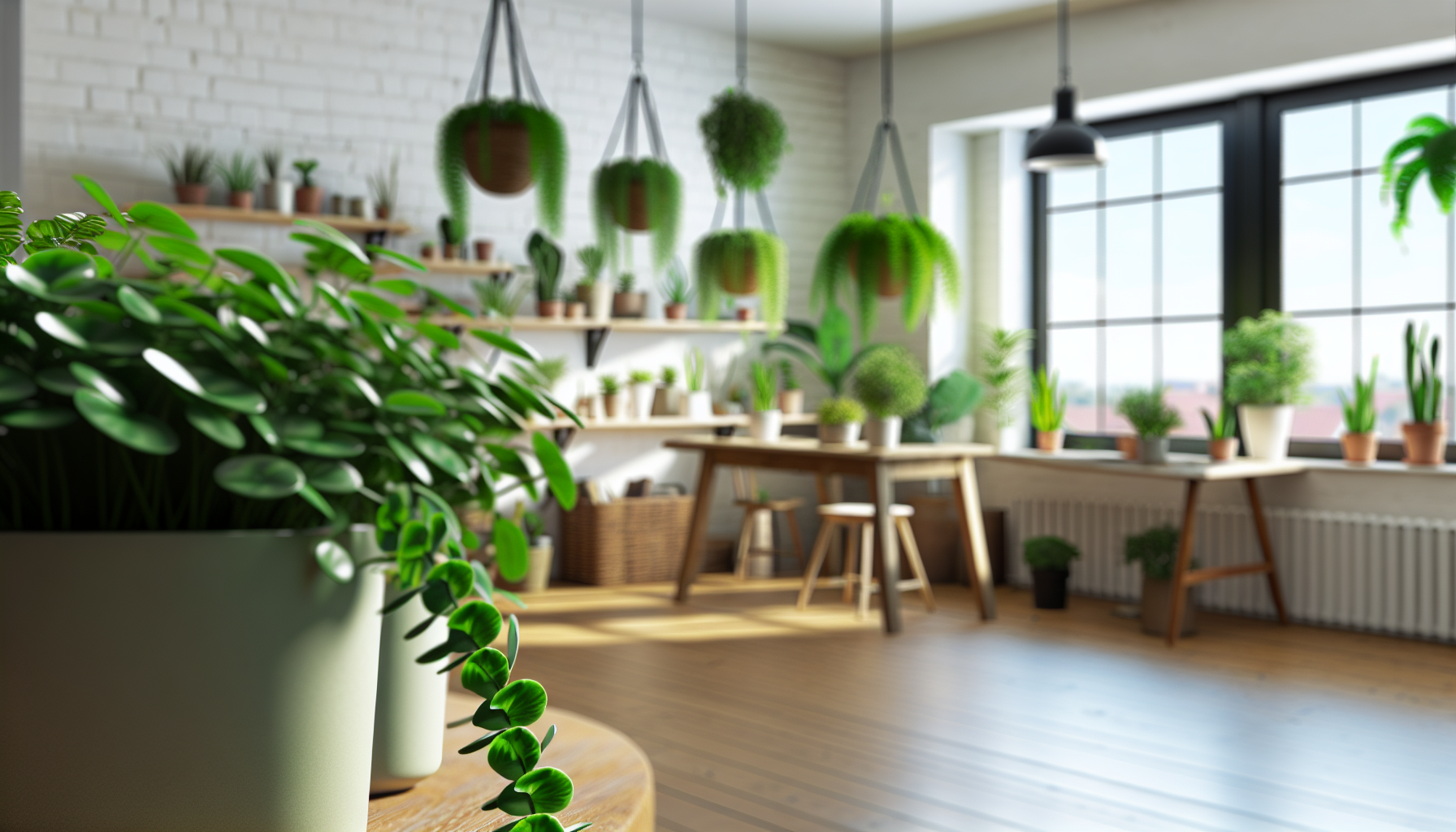
Houseplants offer more than visual appeal in sustainable homes. They can improve indoor air quality, help regulate humidity, and reduce energy use by stabilizing indoor temperatures. For beginners, building a thriving collection doesn’t require a big budget or exotic species; it starts with choosing resilient varieties, smart pots, and a simple care routine that fits real-life schedules. This guide walks you through the essential decisions: how to pick plants that perform well in typical rooms, how to set up a low-waste watering and soil system, and how to arrange greenery so it enhances wellness and aesthetics simultaneously. By the end, you’ll have a practical plan to green your home without creating extra chores or waste. This compact guide also covers beginner-friendly tools and common mistakes to avoid.
Choosing resilient, efficient houseplants for sustainable spaces
Begin by mapping your space: identify light levels, temperature, and typical humidity, then pick varieties that match. Resilient options like snake plant (Sansevieria), pothos (Epipremnum aureum), ZZ plant (Zamioculcas zamiifolia), spider plant (Chlorophytum comosum), and cast iron plant (Aspidistra elatior) tend to shrug off neglect and dry air.
- Light and placement – choose low-light tolerant species for rooms with minimal sun, or brighter indirect light for faster growth.
- Water and drought tolerance – aim for a balance; many beginners overwater, so prefer drought-tolerant varieties and learn moisture cues.
- Maintenance footprint – pick plants with slower growth and easy propagation to reduce waste and repotting frequency.
Pair a couple of leafy greens with one flowering or aromatic plant to diversify textures and maximize air-quality benefits without increasing care time.
Care routines that minimize waste and boost plant health
Create a simple, repeatable care rhythm that respects your schedule and environment. Watering is often the biggest hurdle for beginners, so adopt methods that conserve water and prevent root rot. Use peat-free soils or mixes based on coconut coir, compost, and perlite or vermiculite to reduce environmental impact and improve drainage. Reuse pots and saucers where possible, and propagate cuttings to expand your collection instead of buying new plants. If your tap water is heavily treated, consider collecting rainwater or letting water sit to dissipate chlorine before use.
- Watering strategy – prefer bottom watering or soak-and-dry methods to minimize evaporation and encourage deep root growth.
- Soil and pots – opt for peat-free mixes with coconut coir; choose recycled or recyclable pots with good drainage.
- Propagate to reuse – take cuttings to share or rejuvenate plants, reducing waste and cost.
- Water quality – collect rainwater or let tap water stand 24 hours to off-gas chlorine.

Setups that boost health and aesthetics without waste
Design your spaces to maximize natural light and minimize energy use. Group plants with similar light needs on shelves near windows, and supplement with affordable LED grow lights only where necessary. Use drainage mats, saucers, and repurposed containers to avoid damage from spills and to keep waterways clean. For pests, favor preventative care: clean leaves regularly, inspect weekly, and apply organic controls such as neem oil or insecticidal soap when needed. Choose pots from reclaimed materials or affordable ceramics, ensuring drainage holes and stable bases to prevent tipping.
- Lighting plan – align plant clusters with their light requirements and limit glare on glass to reduce heat gain.
- Containers and drainage – reuse jars or ceramic vessels; ensure holes and saucers for excess water.
- Soil and feeding – feed sparingly with balanced organic fertilizer in spring; flush the soil occasionally to prevent salt buildup.
- Pest prevention – keep leaves dry, inspect weekly, address issues early with organic solutions.
Design integration and daily habits for a greener home
Turn plants into a design language rather than a one-off feature. Create vertical gardens with affordable planters, place plants along entryways to improve air quality where people congregate, and use greenery to soften energy-hungry spaces like living rooms near heating vents. Establish a weekly routine: check moisture, prune dried leaves, rotate pots for even growth, and tidy soil surfaces to deter pests. Embrace cycles: in spring feed lightly, in winter reduce feeding and watering, and use this cadence to minimize waste. Track a simple impact metric, such as water saved or the number of plants propagated, to stay motivated and intentional.
- Placement – cluster plants to shape room flow and maximize shade on hot windows, potentially reducing cooling needs.
- Vertical gardening – use shelves and wall-mounted planters to maximize space with less floor area.
- Maintenance routine – set a fixed day for care tasks to create a sustainable habit.
Conclusion
Embracing houseplants in a sustainable home is less about chasing novelty and more about thoughtful choices, simple routines, and smart design. Start with a few hardy species suited to your light and water conditions, then build a low-waste care system using peat-free soils, recycled containers, and propagation to expand your collection. Align plant placement with energy efficiency, and integrate green maintenance into weekly habits to avoid extra effort. Track progress with small, tangible metrics like water saved or plants propagated to stay motivated. With patience and consistency, plants become a powerful, affordable ally for a greener, healthier home.
Leave a Reply