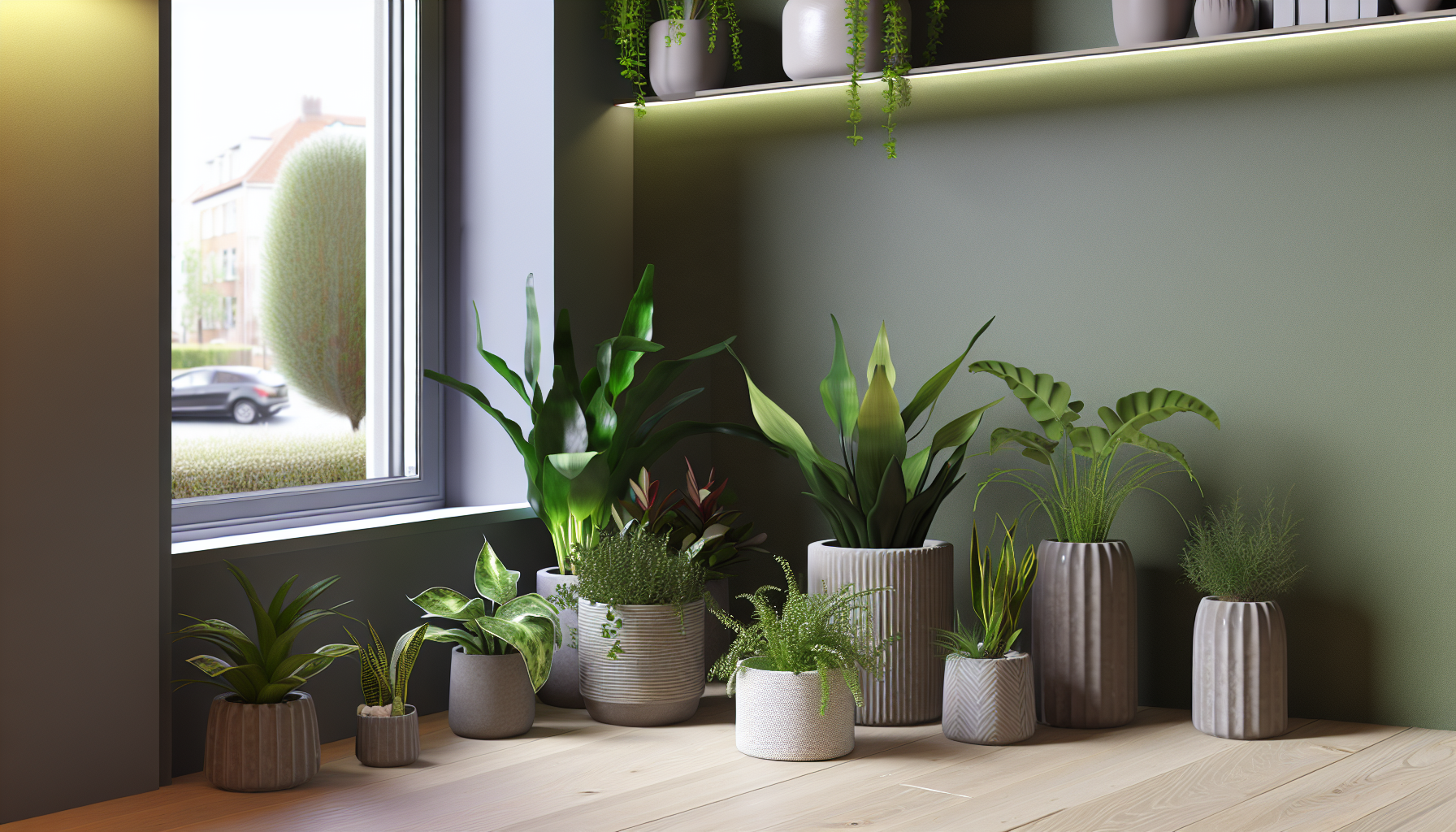
Selecting the right houseplants for smart homes
In smart homes, plant choices should prioritize resilience and ease of care while enhancing aesthetics. Consider light levels, humidity pockets around heating vents, and the plant’s growth rate. For beginners, choose species that tolerate neglect and adapt to shifting microclimates created by automated routines.
- Snake plant (Sansevieria trifasciata) — highly forgiving, survives low light and drought, thrives with infrequent watering.
- ZZ plant (Zamioculcas zamiifolia) — stores water, performs well in dry indoor air and fluctuating temperatures.
- Pothos (Epipremnum aureum) — resilient, trails nicely, forgiving of uneven watering.
- Peace lily (Spathiphyllum) — blooms with bright indirect light, forgiving to irregular watering; watch for overwatering signs.
- Haworthia spp. — a small succulent that thrives with bright light and minimal attention, ideal for busy households.
These options give you a starting palette to pair with a smart home setup and automation-friendly care routines.
Smart watering and care routines
Beginner-friendly automation starts with moisture monitoring and simple irrigation logic. Use a soil moisture sensor to distinguish between dry, moist, and waterlogged soils, and set gentle watering thresholds that fit each plant’s needs. For many houseplants, letting the top inch dry between waterings prevents root rot. Tie the irrigation or drip system to a smart plug or valve controller and schedule regular cycles during the day. Always ensure good drainage, use pots with holes, and consider a capillary mat if you want passive water distribution. Finally, pair watering schedules with a visual check routine to verify that leaves look healthy and soil isn’t crusty or soggy.
- Set species-specific moisture targets and adjust for seasonality.
- Use automatic drip systems with a slow-release flow.
- Create fail-safes: an override should suspend watering if soil remains wet.
- Keep sensors clean and calibrated for accurate readings.

Lighting, sensors, and climate integration
Light is the energy currency for houseplants. In a smart home, you can quantify light with a lux meter and adjust with smart bulbs or grow lights. Place sun-loving plants near windows or under directed lighting to simulate a longer day. Use smart-hub routines to run lights in sync with your schedule, and tie climate sensors to your HVAC or humidifier to maintain stable humidity (40-60%) and temperature around 65-75°F (18-24°C). Consider zoning: different rooms or shelves with different microclimates. The goal is not perfection but consistent conditions that support photosynthesis and growth while keeping energy use reasonable.
Troubleshooting, maintenance, and growth tracking
As plants adapt to a smart environment, monitor signs of distress: yellowing leaves from overwatering, brown tips from low humidity or salt buildup, and drooping leaves from under-watering. Pest pressure rarely helps, so inspect leaves and stems regularly. Rotate pots for even light exposure. Schedule periodic repotting and soil refreshment, and keep a small notebook or app log to track growth, watering history, and sensor readings. Use reminders to prune, clean dust from leaves, and refresh mulch or soil surface. With disciplined tracking, your smart plant collection will become easier to manage and more resilient over time.
Conclusion
By now you know that a smart-home approach to houseplants isn’t about tech overload, but about thoughtful pairing of plants with simple automation. Start with a few hardy species, connect a basic moisture sensor and a small irrigation adapter, and let your smart hub guide when to water or adjust lighting. Use data from sensors to create natural growth rhythms rather than rigid schedules, and keep maintenance lightweight with periodic repotting and leaf cleaning. Track progress in a dedicated app or notebook, celebrate slow, steady growth, and gradually expand your collection as you gain confidence. A living, responsive indoor jungle can be as rewarding as any high-tech feature in your home.
Leave a Reply