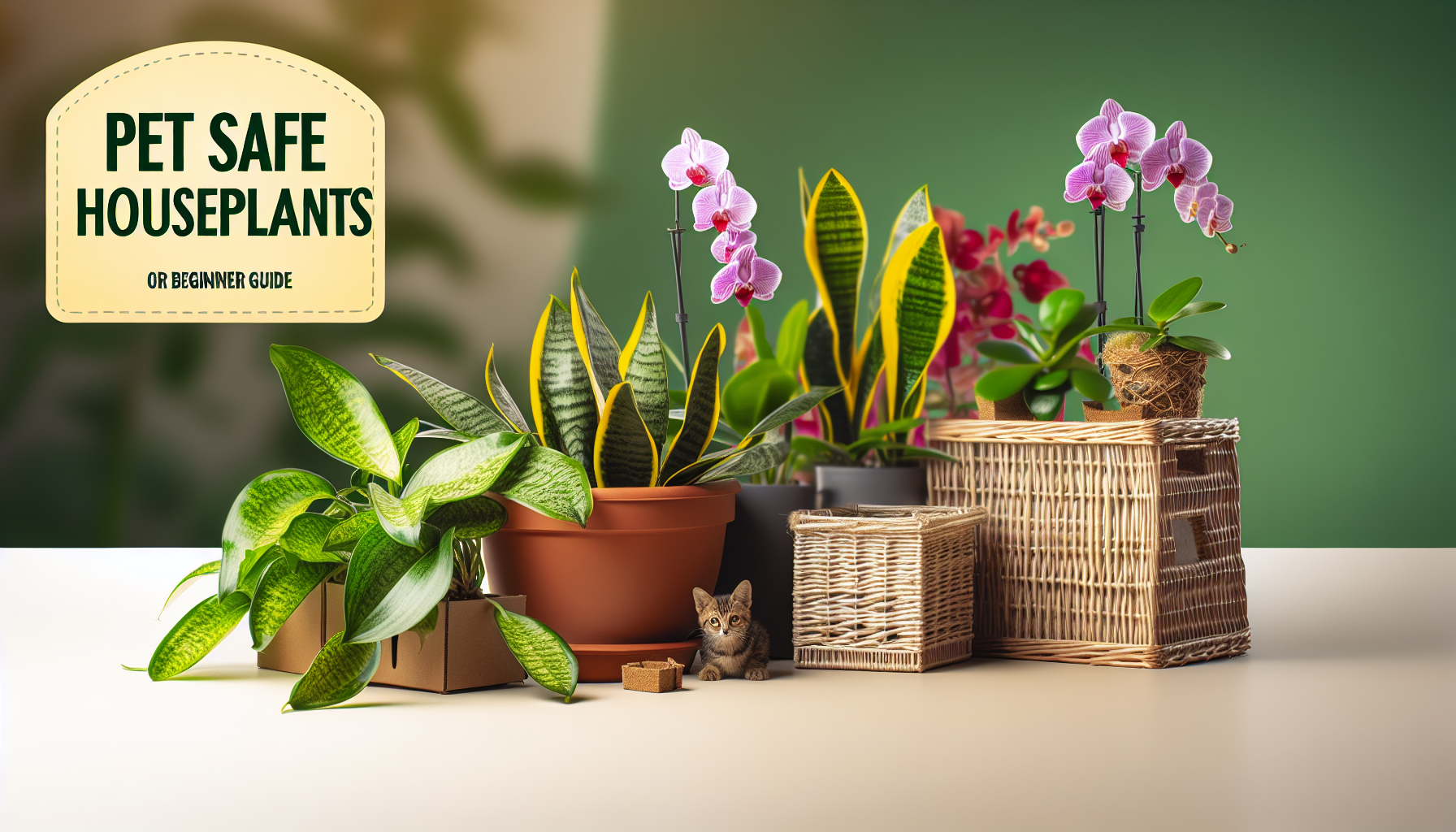
Welcome to the beginner’s guide to keeping houseplants in pet-friendly homes. Many popular indoor plants can pose risks to curious cats and dogs, so choosing safe varieties becomes essential for a calm, green living space. In this guide we’ll cover how to select plants that are generally non-toxic, how to recognize and react to plant-related illnesses, and practical strategies for placing and caring for greens without inviting nibbling or accidents. You’ll learn a simple checklist to evaluate plants before you buy, see how light, watering, and potting choices influence safety, and discover habits that protect both pets and foliage. A little planning goes a long way toward a safe, lush indoor garden.
Selecting Safe Plants for Pets
Choosing plants with pet safety in mind starts long before checkout. Check reputable lists from veterinary groups and ASPCA; even non-toxic plants can upset a pet if eaten in quantity, so moderation matters. Aim for varieties known to tolerate beginners’ conditions—low light, infrequent watering, and rough handling—so you’ll spend less time fussing and more time enjoying greenery. Build a shopping list around plants that are generally non-toxic to cats and dogs and that stay compact enough for your space. Then pair your picks with a simple care routine to reduce stress for both you and your pets.
- Spider plant (Chlorophytum comosum): hardy, widely considered non-toxic to cats and dogs; forgiving with water and light.
- Boston fern (Nephrolepis exaltata): lush, non-toxic, loves humidity but avoids overwatering.
- Parlor palm (Chamaedorea elegans): compact, safe, and forgiving with low light.
- Areca palm (Dypsis lutescens): safe and attractive, good air purifier, needs bright, indirect light.
- Ponytail palm (Beaucarnea recurvata): slow-growing, rugged, great for beginners.
- Calathea and Maranta (prayer plants): striking foliage, non-toxic, prefer stable humidity.
- Peperomia varieties: small, robust, and generally pet-safe.
- Swedish ivy (Plectranthus verticillatus) and other easy epiphytes: resilient and forgiving.
- African violet (Saintpaulia): colorful flowers, non-toxic and low-maintenance.
Understanding Toxicity and Signs of Ingestion
While many plants are harmless, several common houseplants can trigger medical issues for pets. Toxins vary from irritants to life-threatening compounds. In cats and dogs, look out for mucous membrane irritation, drooling, coughing, vomiting, diarrhea, or lethargy after nibbles. Plants to avoid include pothos, philodendron, and dieffenbachia (calcium oxalate crystals can cause mouth irritation and swelling), sago palm (severe liver toxicity), and lilies (especially dangerous to cats). Oleander and azaleas can affect heart rhythm. If ingestion occurs, remove the plant, rinse the mouth with water if feasible, and contact your veterinarian or an emergency clinic immediately. Have plant labels on hand to help with identification.
- Common toxic plants to avoid: pothos, philodendron, dieffenbachia, sago palm, lilies (cats).
- Watch for symptoms: drooling, mouth irritation, vomiting, lethargy, loss of appetite.
- What to do: remove the plant, rinse mouth if possible, seek veterinary care promptly with plant information.

Placement, Lighting, and Care for Pet-Friendly Homes
Pet-friendly design starts with thoughtful placement. Put light-loving or drought-tolerant plants in brighter zones, and shade-tolerant varieties in corners with indirect light. Elevate plants on shelves or hanging planters to reduce nibbling temptations; choose sturdy pots with wide bases so pets cannot topple them. Use heavy pots or plant stands and consider silicone-backed mats to prevent sliding. Water efficiently: use self-watering pots or water at a consistent schedule, always letting the top inch dry before watering again. Use well-draining soil and saucers, and keep cords and watering cans out of paws’ reach to avoid accidents.
- Place high-risk nibble targets out of reach or use barriers; group plants by light needs to simplify care.
- Opt for durable pots and stable stands; avoid overly tall, top-heavy arrangements.
- Adopt a simple watering routine to prevent soggy soil that can entice digging.
Pet-Proofing Practices and Safe Habits
Even with safe plants, pets may still explore. Establish pet-free zones with doors, baby gates, or vertical barriers; use decorative cages or plant stands with clear boundaries to encourage pets to avoid plants. Offer appealing alternatives like cat grass or herbs in an accessible tub to satisfy nibbling instincts. When you repot or prune, wear gloves and check the soil for pests. Clean up spilled soil promptly and dispose of any damaged leaves to prevent further exposure. Finally, practice patience and consistency: positive reinforcement for avoiding plants works best when you combine it with clear boundaries.
Conclusion
By prioritizing pet-safe selections, understanding which plants pose risks, and implementing simple placement and care routines, you can build a thriving, pet-friendly indoor garden. Start with a small set of non-toxic varieties, keep dangerous plants out of reach, and establish clear boundaries so curious noses and paws learn where to roam. Regularly inspect plants for signs of damage or nibbling, rinse soil to minimize residues, and keep a ready plan for what to do if ingestion occurs. The most important takeaway is to align your greenery with your household’s habits, not against them. With patience and consistency, you’ll enjoy lush foliage, cleaner air, and the peace of knowing your pets are safe while you garden.
Leave a Reply