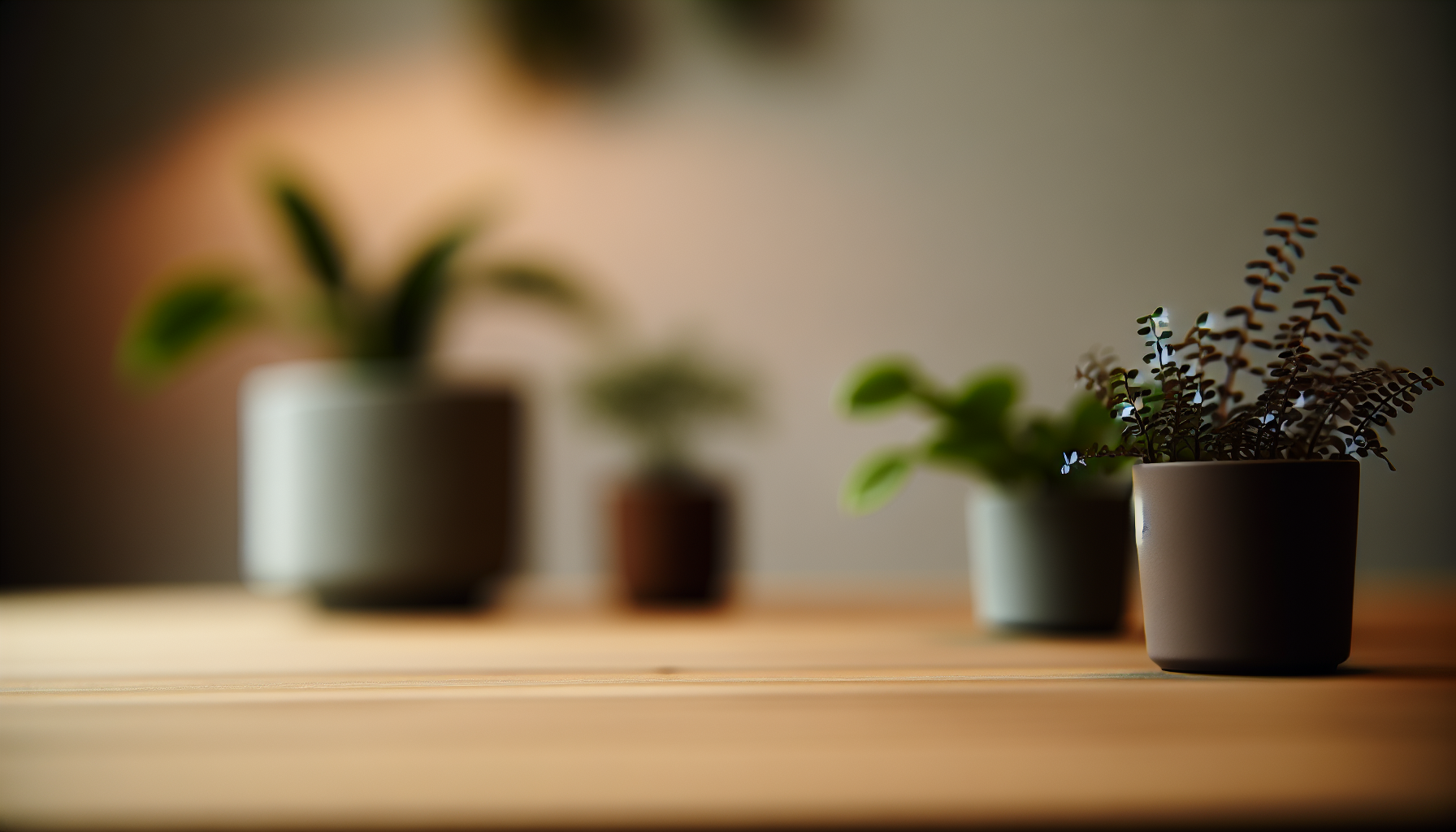
Minimalist homes embrace clean lines, open space, and a calm, clutter-free environment. A handful of houseplants can accent the vibe without turning interiors into garden chaos. This beginner’s guide explores how to choose, place, and care for a small collection of plants that enhance light, texture, and air without overwhelming a minimalist aesthetic. We’ll cover selecting plants that stay compact and forgiving, pairing containers with your color palette, arranging them for visual balance, and simple care routines that fit a busy lifestyle. By focusing on form, scale, and restraint, you can enjoy greenery that feels intentional rather than ornamental. Read on to design a serene, plant-friendly home that remains minimalist and livable.
Choosing plants for a minimalist space
In a minimalist setting, every plant earns its place. Start with a small, curated collection of 3 to 5 specimens, avoiding crowded groups. Look for architectural forms—tall, upright leaves, or clean, sculptural stems—that read as deliberate design elements rather than filler. Favor plants with compact growth or slower rhythms so they maintain proportion with your furniture. Choose varieties with solid green or subtle variegation to preserve the calm palette. For beginners, pick forgiving species that tolerate occasional neglect while still offering visual interest.
- Low-maintenance and compact options with architectural shape
- Good tolerance for varying light levels
- Clear, appealing textures that complement neutral palettes
Suggested starter plants: snake plant (Sansevieria), ZZ plant (Zamioculcas zamiifolia), pothos (Epipremnum aureum), spider plant (Chlorophytum comosum), and small varieties of pothos or peace lily with compact growth. Each brings structure without clutter.
Light, space, and accessibility: matching plants to your home
Minimalist design relies on reliable light planning. Assess each room’s light: bright indirect near a north- or east-facing window, or medium light in a living area. Avoid placing every plant in a single sunny corner; instead, distribute accents to maintain balance. Vertical space matters—use wall shelves or hanging planters to keep surfaces clear and emphasize clean lines. For tight spaces, lean toward plants that thrive in low to medium light and require gentle care. By mapping light and scale, you prevent overwatering and stunted growth.
- Test light with a simple sun exposure check: observe where the sun lands during peak hours
- Match plant choice to light level to avoid overwatering or leggy growth
- Use wall-mounted planters to maximize floor space

Containers, arrangement, and aesthetics
In minimalist interiors, containers should echo the space’s simplicity. Choose planters with clean lines, monochrome finishes, and uniform drainage. Limit the color palette of pots to two or three tones that complement furniture and textiles. Arrange plants in small clusters of three to create rhythm without crowding. Use varying heights to add depth while keeping sightlines clear. Avoid busy plant combinations; instead pair bold foliage with spare soil surface to emphasize negative space. When possible, center attention on a single focal plant and let others support it, aligning with the principle of “less is more.”
- Opt for modular, stackable or wall-mounted pots for flexibility
- Groupings should maintain clean negative space
- Consider plant height, leaf shape, and texture to create visual interest
Care routines and maintenance for beginners
Minimalist upkeep should be predictable, not painstaking. Establish a simple weekly cycle: quick visual check, a light wipe of leaves, and a monthly soil and drainage check. Water only when the top inch of soil is dry, using tepid water to avoid root stress; overwatering is a common beginner pitfall. Use a well-draining potting mix and ensure pots have drainage holes. Rotate plants every few weeks to maintain even growth and prevent leaning toward light. Lastly, prune leggy growth and remove yellowing leaves to preserve tidy lines that define the space.
- Simple watering calendar and a quick plant health checklist
- Appropriate potting mix and drainage considerations
- Pruning and rotation practices to sustain minimal aesthetics
Conclusion
In minimalist homes, a small, well-chosen plant collection can deliver warmth, texture, and air quality without disrupting the clean aesthetic. The secret lies in restraint: select compact, forgiving varieties; map light and placement to prevent growth that breaks the lines; choose simple containers and deliberate groupings that enhance negative space; and establish a predictable care routine that fits a busy lifestyle. Start with a curated trio or quartet, observe how the space feels, and gradually expand as you gain confidence. With consistent practice, your greenery becomes a quiet supporting character—quiet, purposeful, and perfectly aligned with the minimalist ethos.
Leave a Reply