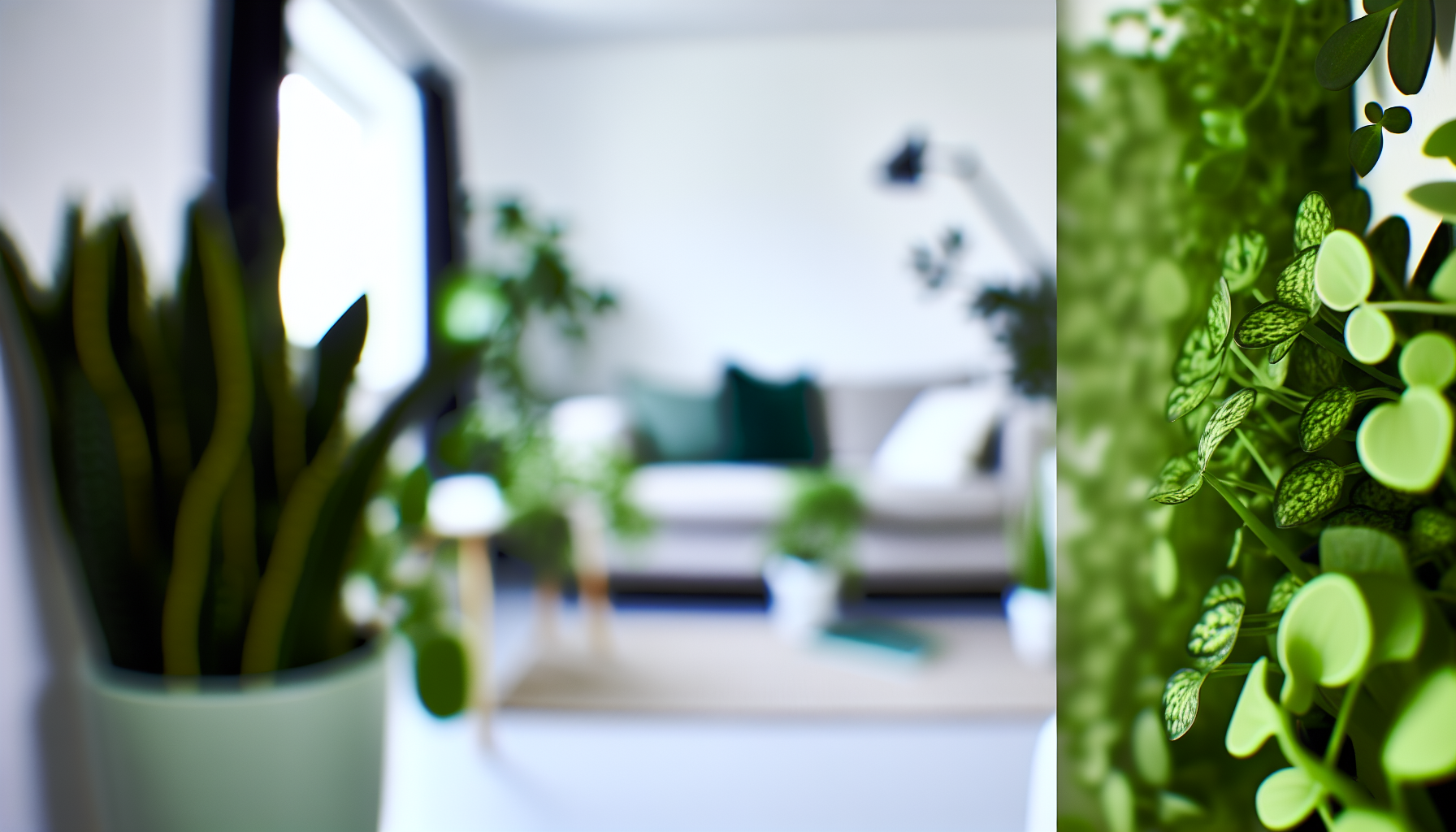
Transforming a dull corner into a thriving indoor jungle is a popular goal for many homes. For beginners, choosing houseplants that tolerate varied light, erratic watering, and busy schedules is essential. This guide walks through four practical pillars: selecting hardy starter plants, building a light and watering plan, choosing soil and pots that protect roots, and establishing simple care routines that prevent common problems. Along the way, you’ll learn how to group plants for microclimates, use containers with proper drainage, and create a visually lush space that improves air quality and mood. By following these steps, you’ll move from casual plant parent to confident indoor gardener. Whether you have a sunny apartment or a dim corner, starting with the right species makes all the difference.
Choosing Starter Plants for Your Indoor Jungle
Beginners benefit from forgiving species that tolerate imperfect conditions. The following plants are known for resilience and versatility:
- Snake Plant (Sansevieria) — drought-tolerant, tolerates low light, and rarely complains about watering gaps.
- Pothos (Epipremnum aureum) — thrives in low to bright indirect light and recovers quickly after neglectful watering.
- ZZ Plant (Zamioculcas zamiifolia) — exceptionally forgiving, stores water in rhizomes, and prefers steady, infrequent watering.
- Spider Plant (Chlorophytum comosum) — adaptable to various light levels and produces offshoots that make propagation easy.
- Peace Lily (Spathiphyllum) — handles shade with occasional blooms, though consistent watering supports better growth.
As you build your first lineup, aim for 3–5 plants spread across different light needs. This variety creates microclimates within a single room and reduces the risk that one mistake will wipe out your entire collection.
Building a Light, Water, and Humidity Plan
Light is the primary driver of growth. Group plants by similar light needs near windows, but avoid direct harsh sun on delicate leaves. For most beginners, a mix of bright indirect light and some moderate light spots is ideal. Watering is the second pillar: water deeply, then allow the top inch of soil to dry before the next watering. Overwatering is the most common beginner mistake, so establish a realistic schedule based on plant type and room humidity. Humidity helps tropical varieties, so consider grouping plants or placing them on a tray with pebbles and water, or using a humidifier in drier climates. Regular rotation ensures even light exposure and balanced growth across the jungle.

Soil, Pots, Drainage, and Repotting Strategies
Soil selection matters as much as light and water. Use a well-draining indoor potting mix enriched with perlite or pumice for air pockets. Avoid heavy garden soils that retain too much moisture. Choose pots with drainage holes, and consider terracotta containers that wick moisture away from roots. The pot should be slightly larger than the current root system to allow growth, but not so large that the soil stays wet for long. Repot young plants every 12–24 months, or when roots crowd the container. Signs of needing a pot upgrade include roots peeking from drainage holes or circling densely within the pot. Proper drainage and timely repotting prevent root rot and support steady growth.
Care Routines, Troubleshooting, and Long-Term Jungle Health
Create a simple weekly care routine: wipe dust from leaves to improve photosynthesis, rotate plants for even light exposure, and check soil moisture. Monitor for pests (spider mites, mealybugs, scale) and treat promptly with rinsing, insecticidal soap, or horticultural oil as appropriate. Leaf yellowing can signal overwatering, underwatering, or nutrient issues—investigate humidity, drainage, and feeding. Fertilize sparingly, using a balanced, diluted fertilizer during the active growing season (spring and summer). Ensure your space stays organized to avoid accidental knocks and water spills. By keeping a steady rhythm and watching for early warning signs, your indoor jungle becomes a resilient, evolving ecosystem rather than a collection of mismatched plants.
Conclusion
You’ve learned how to choose beginner-friendly plants, design a light and water strategy, select proper soil and containers, and establish a care routine that keeps your indoor jungle thriving. Start with a small, diverse group of hardy species and position them to meet their light needs. Maintain a regular watering and feeding schedule, and continuously monitor for pests or signs of stress. As you gain confidence, expand thoughtfully by adding plants that complement your space and microclimates. The result is a lush, energy-boosting environment that’s easy to manage and satisfying to grow. With patience and consistency, your home will feel like a thriving botanical sanctuary.
Leave a Reply