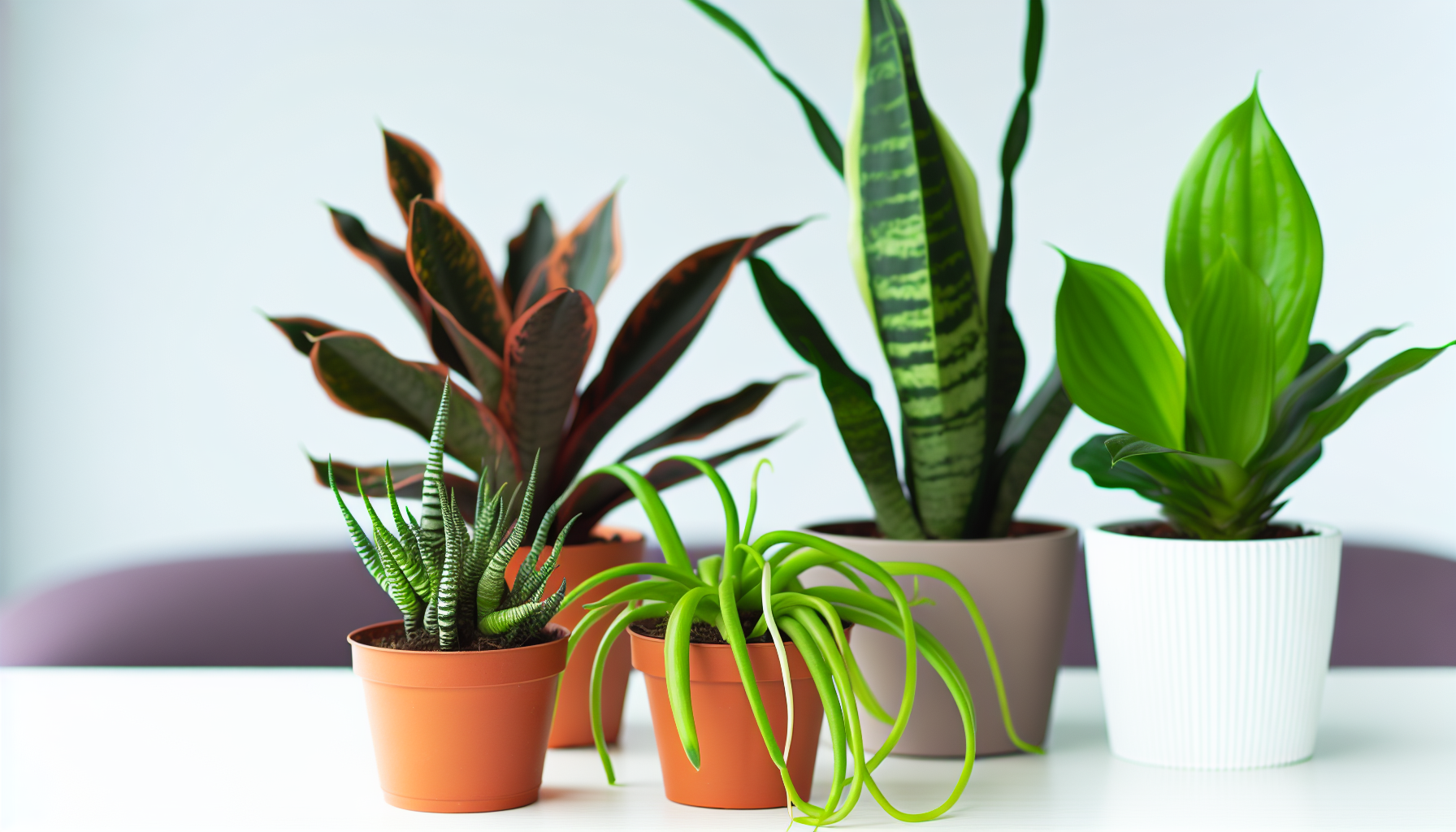
Houseplants for green living beginners guide
Welcome to a beginner-friendly guide to houseplants for green living. Whether you want cleaner indoor air, a calmer home, or a touch of nature in a small apartment, starting with the right plants and habits makes all the difference. This article walks through practical steps to select beginner-friendly species, design an indoor microclimate, and establish simple, repeatable care routines that keep plants healthy without turning your home into a plant hospital. You’ll learn how to match light and watering to real conditions, how to pot for drainage, and how to expand your collection over time without the overwhelm. Read on to build confidence and enjoy sustainable greenery year-round. This guide also covers common beginner mistakes and simple fixes to help you stay motivated.
Choosing Starter Plants for Easy Success
Starting with beginner-friendly plants reduces care friction and helps you learn as you grow. Here are five options that tolerate a range of light and watering habits while staying resilient when you skip a day or two.
- Snake Plant — Light: low to bright indirect; Water: drought-tolerant. This hardy plant stores water in its stiff leaves and typically needs watering every 2–3 weeks. It thrives in average indoor temperatures and requires good drainage to prevent root rot.
- ZZ Plant — Light: low to bright indirect; Water: allow soil to dry between waterings. Extremely forgiving, it thrives in typical home conditions and recovers quickly from missed sessions. A great confidence booster for beginners.
- Pothos — Light: low to bright indirect; Water: moderate. A versatile trailing vine that’s easy to prune and propagate. It tolerates inconsistent watering and low light, making it ideal for shelves and desks.
- Spider Plant — Light: bright indirect; Water: moderate. Fast-growing and easy to propagate, it’s resilient and forgiving. Keep soil lightly moist and provide good drainage; it’s a friendly option for beginners and busy households.
- Peace Lily — Light: medium; Water: regular moisture. It rewards you with blooms and has air-cleaning benefits, but prefers steady moisture. Water when the top inch of soil dries, and avoid letting the soil become bone-dry.
Creating Your Indoor Microclimate
Begin by mapping your space. Note which windows deliver bright, indirect light and where corners or rooms are naturally dim. Group plants by their light needs to simplify care and prevent under- or overexposure. If natural light is scarce, affordable LED grow lights over main plant clusters can fill the gap without overwhelming your space. Soil and containers matter too: choose a light, well-draining potting mix with perlite or orchid bark, and always use pots with drainage holes and a tray for excess water. Humidity helps tropical species thrive; place those plants in kitchens or bathrooms or use pebble trays and occasional localized misting. Maintain room temperatures around 60–75°F (15–24°C) and avoid cold drafts or hot, direct sun on leaves.
- Light zones — assign plants to low, medium, or bright indirect light and rotate if needed to balance growth.
- Drainage and soil — select pots with drainage holes; use a well-draining mix tailored to indoor plants.
- Water strategy — favor drying-out before watering for most beginners and adjust for seasonal changes.
- Humidity and temperature — group plants with similar humidity needs and shield them from sudden temperature shifts.
To help you get started, consider placing a couple of your starter plants in contrasting light spots to observe how they respond over a few weeks. This practical trial will teach you how your home’s microclimate supports different species without risking entire collections.
Establishing a Simple Care Routine
Consistency matters more than complexity. A lightweight routine that covers most beginner species looks like this:
- Watering plan — test moisture with a finger or moisture meter; water when the top inch of soil dries. Scale watering with the season: more in spring/summer, less in winter.
- Leaf care and cleanliness — wipe dust from leaves with a damp cloth to improve photosynthesis and display quality.
- Fertilizing — apply a balanced, dilute fertilizer every 4–6 weeks during the growing season; avoid over-fertilizing, which can burn roots.
- Repotting and pruning — repot every 1–2 years or when roots fill the pot; prune leggy or crowded growth to encourage fullness.
- Pest prevention — inspect plants monthly for common pests and address early with gentle treatments or pruning.
Build a routine that fits your schedule: a short 15-minute weekly check can cover watering, dusting, and a quick inspection for pests or signs of stress. Keeping a simple notebook or calendar helps you track care and notice patterns over time.
Growing Your Green Living Over Time
When you’re ready to grow beyond the starter set, approach expansion with intention. Start with a plan to add one plant or propagate one cutting per month, ensuring new additions share conditions with what you already manage. Here are practical steps to level up:
- Expansion strategy — pick plants with care needs similar to your current collection or gradually introduce one new light zone to diversify without chaos.
- Propagation as a budget-friendly method — take cuttings from healthy plants to create new specimens; rooting cuttings is a satisfying way to grow your collection affordably.
- Arrangement and aesthetics — mix pot sizes, colors, and heights for visual interest; create focal points with a taller plant and trailing companions.
- Sustainability — reuse containers, harvest rainwater when possible, and compost organic waste to enrich potting mixes.
- Seasonal care — adjust watering and light in winter; rotate plants to ensure even growth and minimize pests indoors.
Conclusion
Starting with beginner-friendly plants and a simple care routine makes green living accessible. You learn to match light, water, and soil to real conditions rather than guesswork. By choosing forgiving species—snake plant, pothos, ZZ plant—you can build confidence while avoiding common mistakes like overwatering. Create a practical indoor microclimate: stable temperatures, appropriate humidity, and pots with drainage. Establish a weekly check and a monthly fertilizing rhythm, and don’t fear repotting when roots outgrow their container. As you grow, propagate cuttings and combine plants into cohesive arrangements that suit your space and lifestyle. A mindful approach to care and sustainability turns houseplants from a hobby into a durable, eco-friendly habit that enriches your home year after year.
Leave a Reply