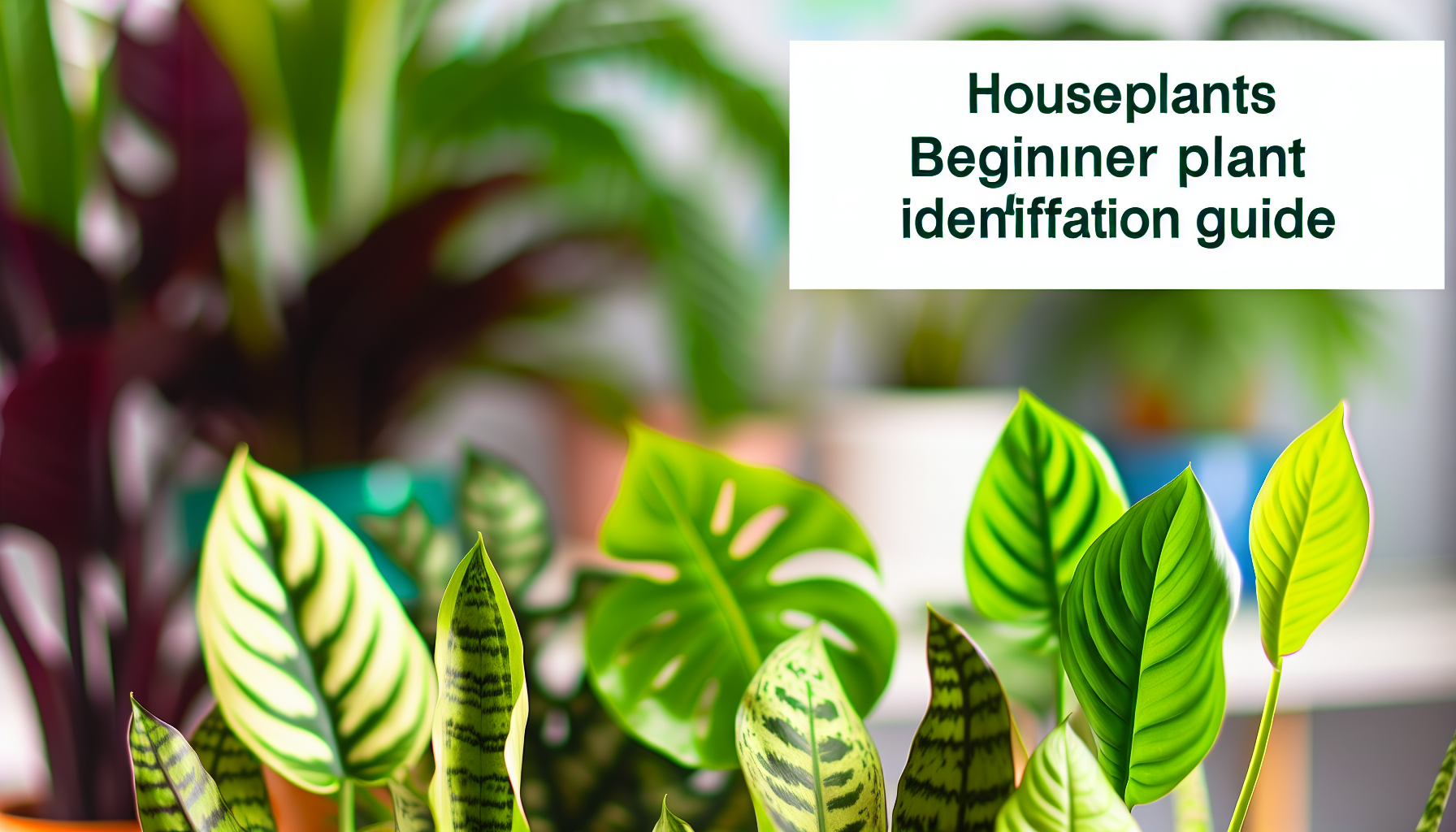
Houseplants for plant identification beginners guide
Houseplants are more than decor; they are living biology that speaks in shapes, colors, and textures. For beginners, identifying unfamiliar plants is a skill that unlocks proper care, safety, and joy in a growing hobby. This guide invites you to explore a beginner-friendly approach to plant identification tailored for home gardeners and apartment dwellers. You will learn how to observe leaf patterns, growth habits, and subtle clues like stem texture and venation. We’ll outline a practical workflow that helps you move from curiosity to confident naming, even when you only have a photo or a handful of leaves. By building a systematic eye, you’ll avoid common misidentifications and start cultivating a healthier collection.
Foundations: Why identifying houseplants matters
Identifying your houseplants accurately lays the groundwork for proper care. Different species have distinct light, watering, and soil needs, and misidentification can lead to overwatering, underwatering, or pest mismatches. When you know what you’re looking at, you can anticipate growth patterns, seasonal changes, and potential toxicities for pets or children. For beginners, a reliable identification habit also boosts confidence: you’ll know which sources to trust, what features to compare, and how to document your plant’s journey. Start with the basics—leaf arrangement, leaf shape, and basic growth habit—and gradually add texture cues like venation, petiole length, and stem color to sharpen your accuracy over time.
In practice, correct identification helps you curate a safe and thriving collection. It guides you to choose compatible companions for your lighting conditions, avoids costly missteps, and reduces the time spent diagnosing problems. As you grow more observant, you’ll notice subtle indicators that separate a common pothos from a more challenging philodendron or a hardy ZZ plant from a delicate ornamental. The goal is to build a repeatable, low-stress process that turns curiosity into competence.
Visual cues that ground a beginner’s eye
Begin with a set of repeatable cues you can rely on at a glance. Leaf characteristics are the most obvious, but stem texture, growth habit, and even scent can clinch a correct match. Start with:
- Leaf arrangement: alternate, opposite, or whorled stems tell you about the plant’s family tendencies.
- Leaf shape and margins: lanceolate, ovate, palmate with lobed edges, or entire margins reveal broad family patterns.
- Venation: pinnate vs. palmate patterns can distinguish many genera early in the identification process.
- Texture and surface: waxy, fuzzy, or glossy leaves hint at adaptations and care needs.
- Growth habit: trailing vines, upright rosettes, or roping stems help separate climbers from compact species.
- Stems and nodes: color, thickness, and presence of thorns or stipules can be diagnostic.
As you practice, make a quick checklist: note the leaf shape, count the leaflets if present, observe the petiole length, and observe the overall silhouette of the plant. For beginners, combining several cues is more reliable than relying on a single feature. Over time, your mental catalog expands from a handful of familiar suspects to a confident, real-time identification toolkit.

Practical tools and a beginner-friendly identification workflow
Identification becomes practical when you apply a simple, repeatable workflow. Start with a clean photo set and a short, consistent note for each plant. Use a tripod or steady hand to capture:
- Three angles: top-down leaf view, stem/leaf base, and a full plant shot to gauge size.
- Close-ups of leaves, petioles, and venation to compare against reference guides.
- Any distinctive features: aroma when crushed, leaf texture, or unusual growth patterns.
With your photo set, compare features across at least two reliable sources—carefully noting similarities and discrepancies. Use a decision tree: if leaf shape matches A and venation matches B, you’re likely dealing with genus X. If only one cue aligns, keep it in the “possible” column and gather more data. Maintain a simple plant diary: plant name (if identified), approximate age, care routine, and any changes you observe. This habit prevents mislabeling and creates a solid foundation for future identifications as your collection evolves.
From guesswork to a reliable routine: common mistakes to avoid
New identifiers often stumble in predictable ways. One mistake is relying on a single feature—like leaf shape—without corroborating cues. Seasonal changes can also alter appearance, leading to confusion if you don’t compare the plant to its adult form. Juvenile phases mask adult traits, so give plants time to reveal their full character before locking in a name. Never assume a plant is “easy” because it looks familiar in pictures; real-world lighting and growth conditions shift appearances. Finally, label plants thoughtfully as you identify them, but stay open to correcting mistakes as you gain more evidence. A cautious, iterative approach pays off with accuracy and greater enjoyment in your plant journey.
Conclusion
Identifying houseplants at the beginner level is a cumulative skill built on careful observation, structured comparisons, and reliable references. By focusing on core visual cues—leaf arrangement, shape, margins, venation, and growth habit—you create a practical framework that scales with your collection. Use a consistent photo workflow, keep a simple plant diary, and cross-check with multiple sources to reduce misidentifications. The more you practice, the quicker you’ll recognize patterns and expand your plant knowledge with confidence. With patience and structured effort, you’ll transform curiosity into competence, and your home jungle will become a guided, rewarding learning experience.
Leave a Reply