Introduction
Starting with houseplants doesn’t need to be intimidating. This beginners guide focuses on low-maintenance varieties and practical routines that bring daily joy with minimal effort. You’ll discover how to pick plants that tolerate variable light, drafts, and occasional neglect; how to set them up with the right pots and soil; and how to establish simple care habits that stay manageable even on busy weeks. We’ll cover a core lineup of resilient favorites, signs of common stress, and clever placement tips that maximize survival without constant fuss. By understanding basic plant needs and adopting dependable routines, you can transform any living space into a thriving, relaxing green oasis—without turning plant care into a full-time job.
Choosing beginner-friendly houseplants
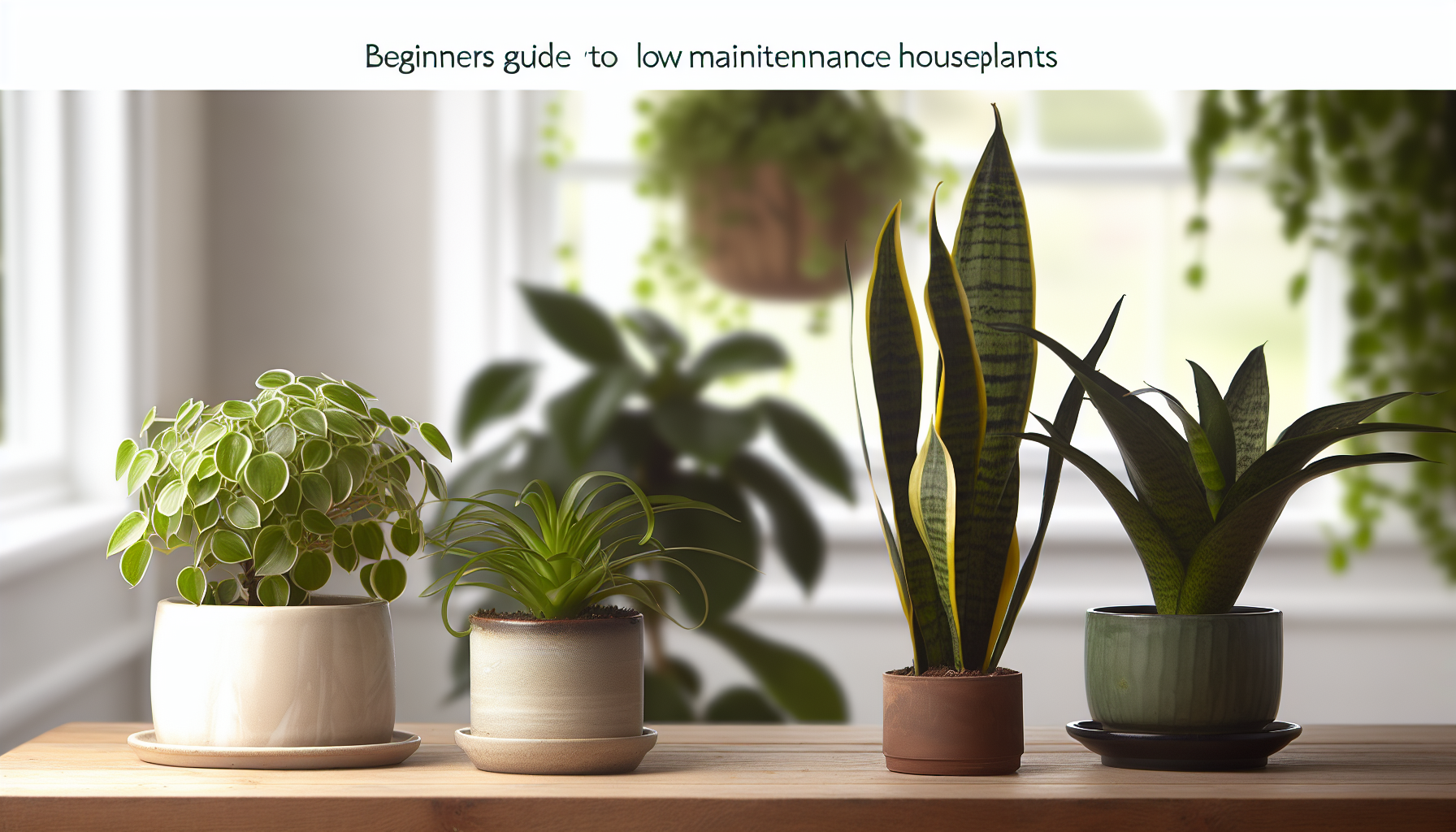
Selecting houseplants for a low-maintenance routine means looking for resilience first. The ideal starters tolerate dry spells, low to medium light, and occasional neglect while still looking vibrant. Start with a small, dependable crew and you’ll build confidence as you watch them thrive. Below are top picks, why they work well for beginners, and quick notes on where they shine.
- Snake Plant (Sansevieria): tolerates dim light and infrequent watering; stays upright and tidy.
- ZZ Plant (Zamioculcas zamiifolia): stores water in rhizomes; thrives in low to bright indirect light; forgiving of uneven schedules.
- Pothos (Epipremnum aureum): tolerant of a range of light levels; easy to propagate from cuttings; great for shelves and hanging baskets.
- Spider Plant (Chlorophytum comosum): adaptable to many light conditions; prolific baby plantlets for quick expansion.
- Cast Iron Plant (Aspidistra elatior): excels in shade and low maintenance; ideal for low-traffic rooms.
- Aloe Vera or other succulents: bright light lovers that reward with minimal watering when given sunny spots.
When choosing, consider your space’s light profile, how often you’ll be around to water, and any pet safety concerns. If you have a sunny kitchen, succulents or aloe can flourish; in a dim living room, snake plants or cast iron plants tend to perform best. Always verify pet toxicity if you share your home with cats or dogs.
Setting up your space for low-maintenance care
Preparation is the quiet backbone of an easy-care collection. Begin by mapping your space: designate a few bright windows for sun-loving plants and a couple of lower-light corners for tougher greens. Group plants with similar water needs together to simplify care and avoid overwatering or underwatering by mistake. Choose pots with drainage holes and use a well-draining potting mix suitable for indoor greens. A lightweight mix with perlite or sand helps roots breathe and dries more evenly. Place plants at eye level for easy monitoring, rotate occasionally to keep growth even, and label each pot with its light and water needs to reinforce your routine.

Simple care routines for ongoing joy
With the setup in place, establish short, repeatable routines that fit busy schedules. A simple weekly check-in of about 5 minutes can prevent most issues. Here’s a practical framework:
- Watering: most beginner plants prefer to dry out slightly between waterings. Check the top inch of soil; if it’s dry, water thoroughly until excess drains out. Avoid letting pots sit in water.
- Light and placement: keep plants in places that match their light needs. If a plant shows leggy growth, it’s a sign it needs more light; if leaves yellow, re-evaluate watering or drainage.
- Cleaning and grooming: wipe dust from leaves monthly to improve photosynthesis and appearance; trim dead or brown tips as needed.
- Feeding: fertilize sparingly—once or twice a year in spring and summer with a balanced, diluted houseplant fertilizer if you use one.
- Rejuvenation: repot every 1–2 years or when roots fill the pot, using fresh soil to refresh nutrients and promote growth.
Troubleshooting and long-term growth
Even low-maintenance plants encounter hiccups. Look for common red flags and respond quickly. Yellowing leaves can indicate overwatering or poor drainage; brown crispy edges may signal underwatering or dry air; pale, floppy growth can point to insufficient light. Pests like mealybugs, scale, or spider mites can appear as small dots or sticky residue—address with a gentle wipe, insecticidal soap, or a rinse under lukewarm water. For persistent issues, isolate affected plants to protect the rest of your collection. As you grow more confident, you can experiment with new varieties, gradually expanding your lineup while maintaining a reliable core of hardy species.
Conclusion
In summary, mastering houseplants for low-maintenance joy hinges on choosing resilient varieties, setting up an accommodating space, and implementing simple, repeatable care routines. Start with a small, well-suited collection, then map your light and water needs to place each plant where it thrives. Regular quick checks, light cleaning, and minimal feeding create a sustainable rhythm that keeps greenery healthy without dominating your schedule. Use grouping strategies to simplify care and prevent mistakes. As you gain confidence, you’ll see your home filled with thriving plants that elevate mood and atmosphere, proving that plant happiness is accessible—one easy, reliable routine at a time.
Leave a Reply