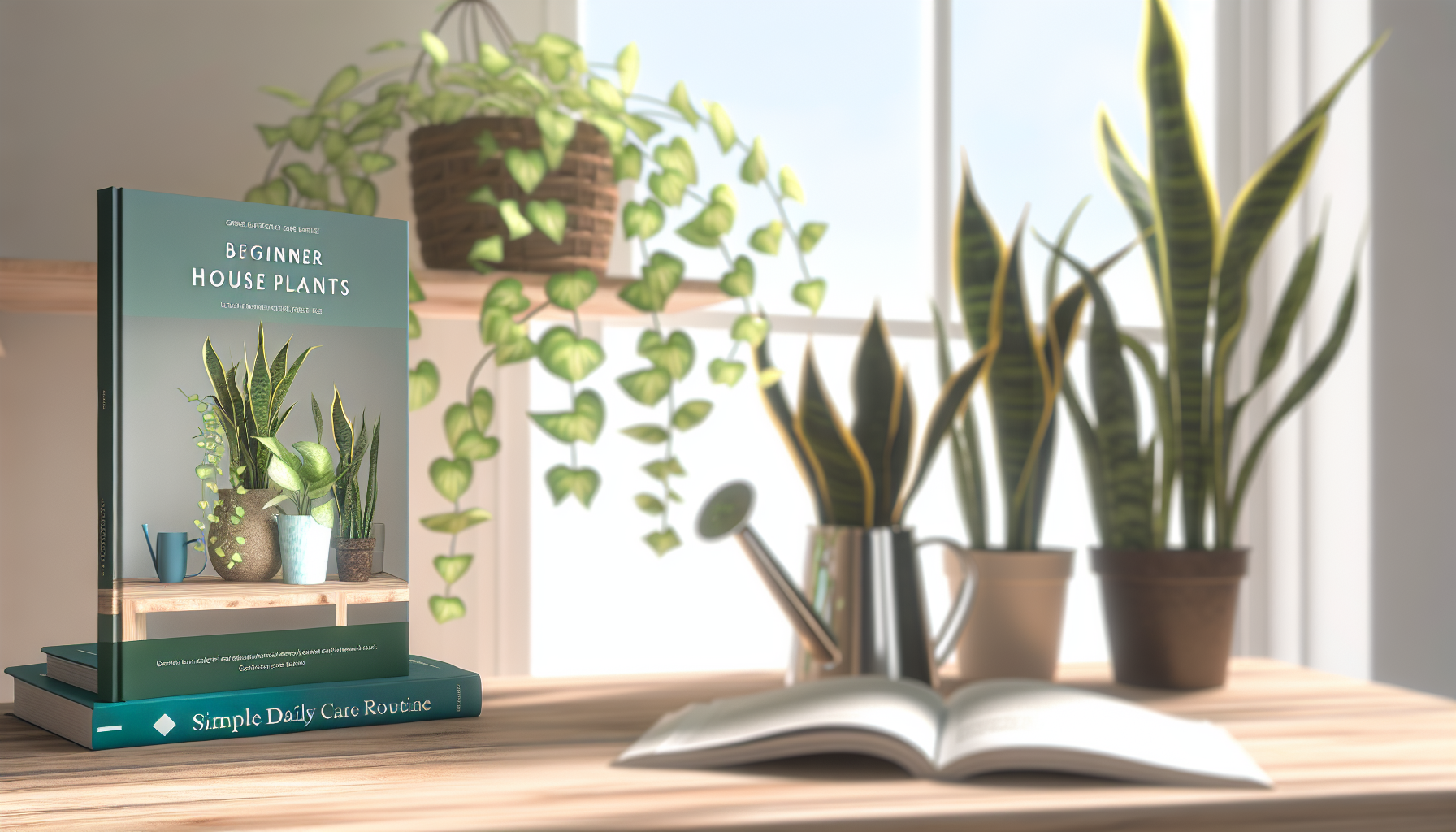
Houseplants can brighten a room, improve mood, and purify the air, but daily care routines can feel overwhelming for beginners. This guide is designed to demystify plant upkeep and give you a repeatable, stress-free approach. We’ll start with selecting beginner-friendly plants that tolerate imperfect conditions and recover quickly. Next, you’ll learn how to set up a simple daily routine that covers light, watering, dusting, and checking for signs of stress. We’ll also discuss the right pots, soil, and placement to reduce problems before they start, along with a practical maintenance plan that adapts to seasons. By following these steps, you’ll build confidence, protect your greenery, and enjoy thriving houseplants day after day. Your routine should be simple, repeatable, and scalable as you expand.

Choosing beginner-friendly houseplants
For beginners, start with plants that tolerate imperfect conditions and recover quickly. Look for species known for forgiving watering, low to medium light tolerance, and compact growth. Start with a small collection to learn their quirks without feeling overwhelmed.
- Snake plant (Sansevieria)
- Pothos (Epipremnum aureum)
- ZZ plant (Zamioculcas zamiifolia)
- Spider plant (Chlorophytum comosum)
- Peace lily (Spathiphyllum)
Tips: choose pots with drainage, avoid heavy clay in cold rooms, and introduce new plants gradually to observe their response during the first weeks.
Creating a reliable daily care routine
A simple daily routine reduces stress for your plants and you. Begin with a quick morning check: look for wilting, yellow leaves, or soil that is bone-dry or persistently soggy. Wipe dust from leaves to improve photosynthesis. Rotate plants occasionally so all sides receive light. Check the soil moisture with a finger test and note any changes in color or texture.
- Watering: water when the top inch of soil dries; ensure drainage and never leave standing water.
- Dusting and cleaning: wipe leaves weekly to keep surfaces breathable.
- Observation: track signs of stress, pests, or nutrient deficiencies.
Keep a simple calendar or note in a notebook to remind yourself of feeding schedules and repotting milestones.
Optimizing the home environment: light, soil, and pots
Environment is the foundation of daily care. Place plants in spots where they receive appropriate light (bright indirect for most tropicals, low light for hardy species). Use a light meter app or observe shadows to estimate exposure. Choose a light, airy potting mix and containers with drainage holes to prevent root rot. Repot only when roots fill the pot or growth stalls. Use a breathable pot (terracotta) if you tend to overwater, or a plastic pot with a snug inner insert if you forget to water for days.
Maintaining health: watering schedules, pest prevention, seasonal care
Watering habits should adapt with seasons: allow more drying time in winter and keep soil slightly moister during active growth in spring and summer. Fertilize lightly a few times per year according to plant type. Inspect leaves for pests like mealybugs or spider mites and treat early with alcohol swabs or horticultural oil. Prune leggy growth to encourage compact form and remove dead leaves. Finally, set up a simple routine for seasonal tasks: a gentle repot in spring, deeper soil refresh every couple of years, and a dusting reminder before holidays to keep plants looking vibrant.
Conclusion
In this guide, you learned how to choose beginner-friendly houseplants, establish a daily care routine, optimize the environment, and maintain long-term health. By focusing on forgiving species, simple lighting and watering routines, and sensible containers, you create a resilient system that grows with you. The key is consistency: small, repeatable actions performed weekly beat rush and neglect. Start with a couple of plants, track their responses, and gradually add more as you gain confidence. With a clear plan and steady practice, you’ll reduce plant stress, avoid overwatering, and enjoy thriving greenery that fits your living space and lifestyle. Remember to celebrate small wins—healthy leaves, steady growth, and the satisfaction of a greener home. Each plant teaches you something about patience, observation, and routine.
Leave a Reply