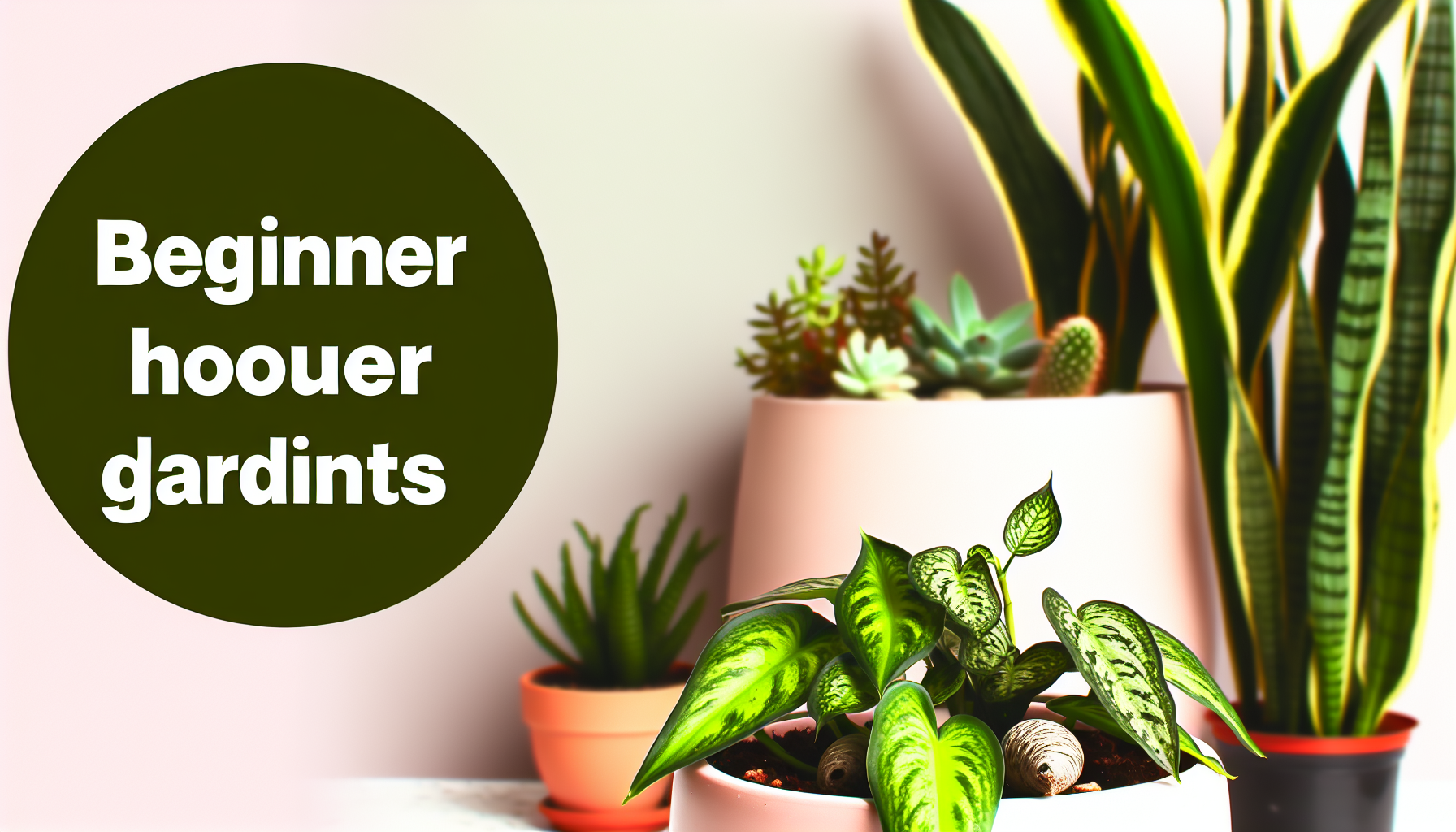
Houseplants for simple success: a beginners guide to cultivating greenery indoors with confidence. This guide explores essential choices, beginner-friendly care routines, and practical tips to keep plants thriving even if you’re new to gardening. We’ll cover selecting easy-care species, creating a basic care schedule, avoiding common mistakes, and building a routine that fits real life. By focusing on simplicity, resilience, and consistency, you can transform empty corners into living, vibrant spaces. Whether you live in a sunny apartment or a dim studio, starting with a small set of forgiving plants helps you learn, observe, and adapt without feeling overwhelmed. Read on to discover a practical path to green-thumb success. This guide will walk you through the steps, from selection to care to growth.
Choosing beginner-friendly houseplants
For new plant caretakers, starting with forgiving species reduces frustration and builds confidence. Look for plants that tolerate lower light, irregular watering, and temperature fluctuations. A small, resilient trio often recommended includes snake plant (Sansevieria), pothos, and ZZ plant, but many others can work. When choosing, assess overall health of the plant, avoid overly delicate stems, and favor varieties with robust root systems. Consider how much light your space provides and align that with a species’ light needs. Start with 4–6 specimens that fit your room’s conditions and your daily routine. This approach minimizes risk, makes the learning curve gentler, and gives you a visible, encouraging early success.
- Snake Plant (Sansevieria) — tolerates low light and infrequent watering.
- ZZ Plant (Zamioculcas zamiifolia) — thrives with neglect and dry air.
- Pothos (Epipremnum aureum) — versatile, climbs or trails, forgiving with watering.
- Spider Plant (Chlorophytum comosum) — resilient and easy to propagate.
- Peace Lily (Spathiphyllum) — good for low light, with occasional bloom if cared.
- Philodendron varieties — adaptable and low-maintenance.
Simple care routines that stick
Establishing a dependable routine is the heart of beginner success. Start with a basic calendar: water a plant when the top inch of soil dries, check light weekly, and observe leaf condition. Use room-temperature water, avoid hard minerals, and ensure containers have drainage holes. A simple feeding plan during the growing season — once a month with a half-strength balanced fertilizer — supports growth without overloading the plant. Keep leaves clean to maintain photosynthesis. Use a single, central watering can and a consistent location to reduce forgetfulness. Document changes in a small notebook or digital reminder so you can compare progress over weeks and learn what each species prefers.
Creating the ideal growing environment
Environment matters as much as plant choice. Place plants where they receive bright, indirect light or filtered shade, avoiding hot sun that scorches leaves. Aim a stable temperature around 65–75°F (18–24°C) and moderate humidity; group plants together to create a microclimate. Use a well-draining potting mix and provide drainage holes in pots; repot when roots fill the container. Expect slow growth in winter and more vigorous growth in spring and summer. Rotate pots occasionally to encourage even growth. A simple tray with moisture at the base can boost humidity, but avoid standing water that invites root rot. Small steps here compound into healthier, more resilient plants.
Troubleshooting and building confidence
Even with a plan, beginners face common issues. Overwatering causes yellowing leaves and soggy soil; underwatering leads to drooping with crisp edges. Pests like spider mites or scale appear as specks or webbing and require targeted treatment. The key is fast, calm diagnosis: check soil moisture, light exposure, and signs on leaves; quarantine new plants to prevent spread. When problems arise, adjust one variable at a time and keep notes. Pruning can boost air flow and encourage new growth after stress. Celebrate small wins, such as a steady watering routine or a plant producing new shoots. Confidence grows through repeatable steps, observation, and patience, turning plant care from a task into a relaxing, fulfilling hobby.

Conclusion
To recap, simple success with houseplants starts with choosing forgiving, adaptable species and pairing them with a sustainable care routine. By selecting beginner-friendly plants, establishing predictable watering and light habits, and shaping environments that fit real rooms, you create a low-stress pathway to green growth. As you learn, document observations and adjust gradually; avoid drastic changes that overwhelm both you and the plants. Remember that most problems reveal themselves in patterns—overwatering, poor light, or sudden drafts—and the fix is often straightforward: modify one variable, give it time, and celebrate small improvements. With consistency, even busy lives can host thriving greenery, turning a once-daunting hobby into a confident, enjoyable part of your daily routine. Start today with one easy plant and grow your indoor garden one step at a time.
Leave a Reply