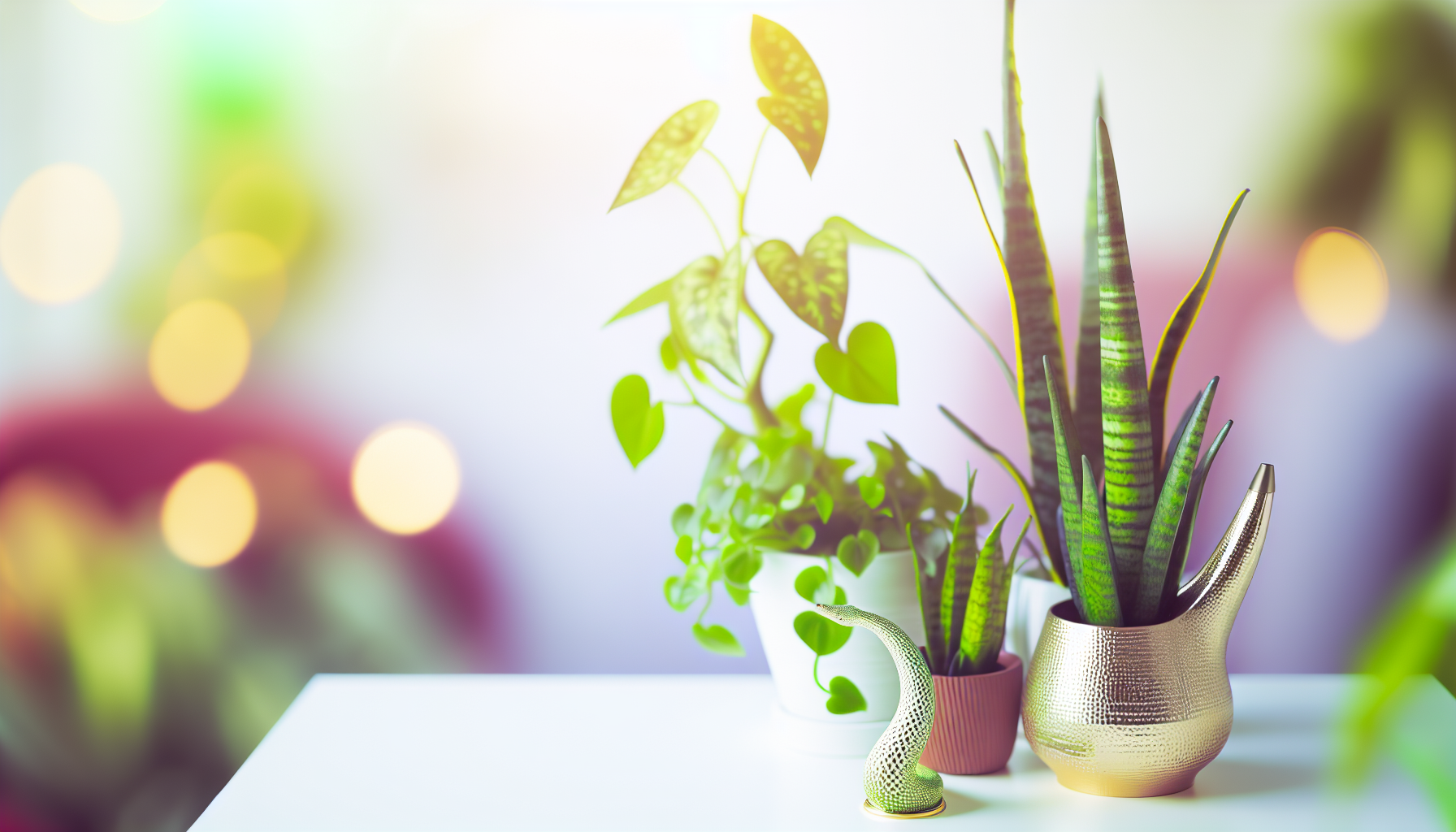
Houseplants have become essential teammates for modern living. They fit small apartments, home offices, and busy schedules, bringing life, cleaner air, and a touch of nature without demanding a lot of time. This beginner’s guide explores how to pick plants that tolerate routine lifestyles, how to set up simple care routines, and how to integrate greenery into your spaces with style. You’ll learn to choose low-maintenance varieties, prepare a minimal maintenance plan, and use practical tools to prevent neglect. By focusing on simplicity, adaptability, and smart placement, you can enjoy the mood-boosting benefits of greenery while staying organized and productive. Whether you live alone or manage a busy family schedule, this guide helps you start small and grow confident as you learn what works best in your space.

Choosing the Right Houseplants for Modern Lifestyles
For beginners, start with plants that tolerate irregular schedules and varying light. These species store water, bounce back from missed waterings, and thrive in a range of indoor conditions. A practical selection helps you build confidence before expanding your collection.
- Snake Plant (Sansevieria trifasciata) — tolerates low light and infrequent watering; very forgiving.
- ZZ Plant (Zamioculcas zamiifolia) — drought-tolerant, glossy leaves, handles neglect well.
- Pothos (Epipremnum aureum) — versatile in bright to low light; great for shelves and hanging baskets.
- Spider Plant (Chlorophytum comosum) — resilient, baby plantlets easy to propagate, needs regular but light watering.
- Peace Lily (SPathiphyllum) — tolerates lower light, needs consistent moisture and occasional feeding.
Pair these with simple containers and a conservative water rule, such as watering when the top inch of soil dries. Place one or two near a bright window and others in spots with gentle indirect light. This foundational mix keeps you from overcommitting while still delivering greenery and mood-boosting benefits.
Establishing Simple Care Routines for Busy Lifestyles
The goal is a maintenance plan you can follow in minutes each week. Start with core habits that prevent neglect and support plant health.
- Watering: check soil moisture weekly; water thoroughly until water drains, then allow soil to dry slightly before the next watering.
- Soil and pots: use a well-draining potting mix and pots with drainage holes; avoid waterlogged roots.
- Light and placement: group plants by light needs; rotate pots to maintain even growth.
- Leaf care: wipe dusty leaves with a damp cloth to improve photosynthesis and cleanliness.
- Feeding and pests: fertilize lightly during the growing season; inspect for pests and address issues early.
Keep a simple calendar or reminders in your phone for watering and fertilization. By aligning care with your routine, you reduce stress and increase the likelihood of long-term success, which naturally leads into better design and space usage.
Designing Small Spaces: Layout, Aesthetics, and Air Quality
In modern living, plants are both decor and functional elements. Think about sightlines, airflow, and microclimates when you arrange them. Elevate flat corners with vertical solutions like shelves, wall-mounted planters, and hanging baskets to maximize square footage. Use a cohesive color palette to tie greenery to furniture and textiles, rather than letting plants feel like separate accents. Favor compact, visually striking options for desks and coffee tables, while larger, architectural favorites anchor living rooms. Some plants excel at air purification, reinforcing their daily value in the home or office. Aim for a layered setup: tall specimens in the back, mid-size plants in the middle, and hanging accents toward the front to create depth and balance.
Tools, Tech, and Troubleshooting for Beginners
Simple tools and smart routines empower consistency. Consider these practical additions to your plant care kit:
- Moisture meter or a reliable finger test to gauge soil dampness.
- Auto timers for grow lights or humidifiers to maintain stable conditions.
- Watering cans with a narrow spout for precise watering and better drainage control.
- Grow lights for low-light rooms or winter months to extend the growing season.
- Observation notes: keep a small log of plant changes, water events, and per-plant preferences.
Common issues like yellowing leaves or brown tips usually signal overwatering, underwatering, low humidity, or insufficient light. Adjust water frequency, ensure drainage, clean leaves, and consider supplemental lighting. As you gain experience, you’ll refine placement and care to fit your actual space, making plant care feel effortless rather than burdensome.
Conclusion
Throughout this guide, you learned how to choose beginner-friendly plants, establish simple routines, design functional layouts, and leverage practical tools to stay on track. The core idea is to start small, pick plants that align with your light and schedule, and create predictable care patterns that fit your life. With consistent watering, proper drainage, and a touch of decorative styling, your home will feel calmer, healthier, and more productive. Observe plant health, adjust conditions as needed, and celebrate small successes as your confidence grows. As you gain experience, you can experiment with new varieties and propagation, turning houseplants into a lasting, enjoyable part of modern living.
Leave a Reply