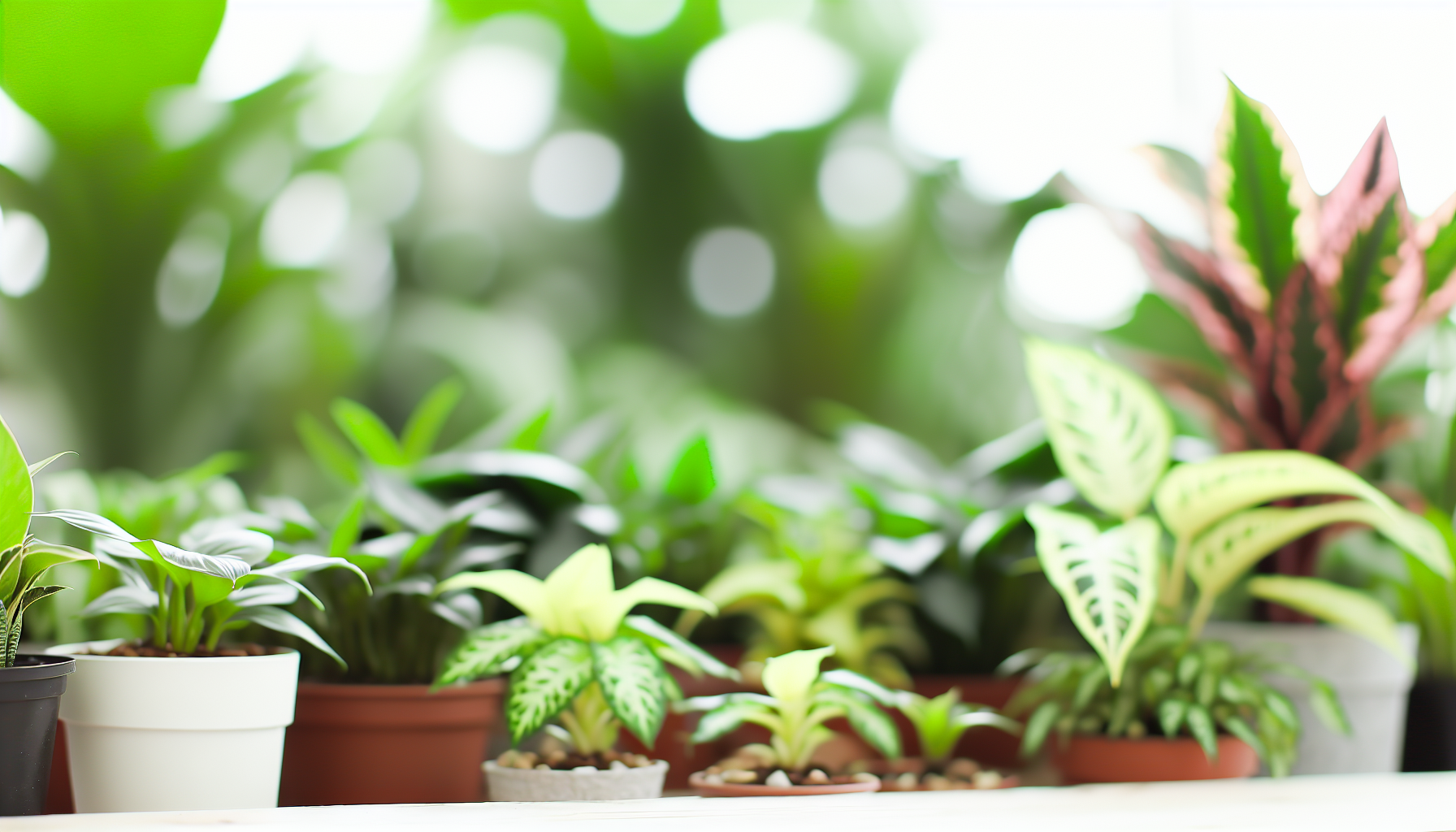
Houseplants for first-time growers: a beginner’s guide to starting strong. This article explores how to pick resilient, low-maintenance species, create a simple care routine, and troubleshoot common issues so you can build confidence as you grow your indoor garden. Whether you have a bright south-facing window or a dim corner, you can cultivate thriving greenery with minimal effort. We’ll walk through four essential steps: choosing beginner-friendly plants, establishing a scalable watering and feeding routine, recognizing early signs of stress, and expanding your collection with practical propagation ideas. By the end, you’ll know how to prevent common mistakes, reduce plant deaths, and enjoy a living decor that boosts mood and air quality.

Choosing beginner-friendly houseplants
Selecting the right starter plants is the first step to long-term success. Focus on species known for forgiving care, broad light tolerance, and drought resilience. When you shop, look for healthy, vibrant leaves with no signs of pests, and avoid plants with yellowing foliage or mushy stems. Start with a small, varied group so you can learn how each one responds to your home’s unique light and temperature. These plants aren’t just resilient; they also teach you how to read signals from foliage, such as drooping leaves indicating water needs or crisp edges suggesting too little humidity.
- Snake Plant (Sansevieria) — tolerates low to bright light and infrequent watering.
- ZZ Plant (Zamioculcas zamiifolia) — highly drought-tolerant with glossy leaves.
- Pothos (Epipremnum aureum) — thrives in low to bright indirect light; forgiving of missed watering.
- Spider Plant (Chlorophytum comosum) — adaptable and quick to recover from neglect.
- Philodendron Heartleaf — forgiving in low light; grows quickly with consistent care.
- Peace Lily (Spathiphyllum) — good for rooms with moderate light and shows water needs with drooping leaves.
Set up a simple care routine
A beginner-friendly routine centers on consistency and simplicity. Establish a home for each plant where light, temperature, and humidity are stable, and build a routine you can repeat weekly. Begin with these core practices:
- Light and placement: position plants where they receive bright, indirect light; avoid harsh midday sun that scorches leaves.
- Watering discipline: check the soil moisture by touch or with a probe; water deeply only when the top inch is dry, and ensure excess water drains away.
- Soil and containers: use a well-draining potting mix and pots with drainage holes; repot when roots fill the pot to prevent stagnation.
- Fertilizer: feed during the growing season with a balanced, diluted liquid fertilizer; skip in winter when growth slows.
- Humidity and temperature: avoid cold drafts and hot radiators; grouping plants can lift humidity a natural notch.
Common problems and troubleshooting
Even forgiving plants encounter issues if care slips. Recognize warning signs early and respond quickly to keep your greenery healthy. Focus on four common scenarios and practical fixes:
- Overwatering and root rot: wilting despite wet soil, soft roots, or a musty smell. Solution: let the soil dry, trim away rotted roots, and repot in fresh, well-draining mix.
- Under-watering and leaf drop: brown, crispy edges and drooping leaves. Solution: water thoroughly and adjust frequency; increase visibility of soil moisture checks.
- Low light and etiolation: stretched stems, pale leaves. Solution: move to brighter indirect light or rotate to expose all sides, prune leggy growth.
- Pests: sticky residue, speckling, or webbing. Solution: isolate the plant, wipe leaves with diluted alcohol, and treat with mild insecticidal soap if needed.
Growing confidence and expansion: propagation and planning
As you gain experience, you can grow your indoor garden with simple propagation and thoughtful planning. Start slow, and let small successes compound into momentum. Practical steps include:
- Propagation basics: many beginner-friendly plants propagate easily from stem cuttings (pothos, philodendron) or spider plant offsets; root cuttings can work for certain species.
- Strategic expansion: begin with a two-to-four-plant system and gradually add one new plant per month, ensuring you have adequate light and space to maintain healthy growth.
- Maintenance routine: implement a monthly check for pests, dust leaves, prune leggy growth, and rotate pots to ensure even light exposure.
Conclusion: In this guide, you’ve learned how to pick forgiving starter plants, set up a straightforward care routine, troubleshoot common problems, and slowly expand your collection with confidence. By choosing resilient species, establishing consistent watering and light practices, and staying observant, you’ll minimize common mistakes and enjoy a thriving, manageable indoor garden. Propagation offers a tangible path to growth without extra cost, while regular checks keep issues from escalating. Start small, document what works, and celebrate each green milestone as your home fills with life and fresh air.
Leave a Reply