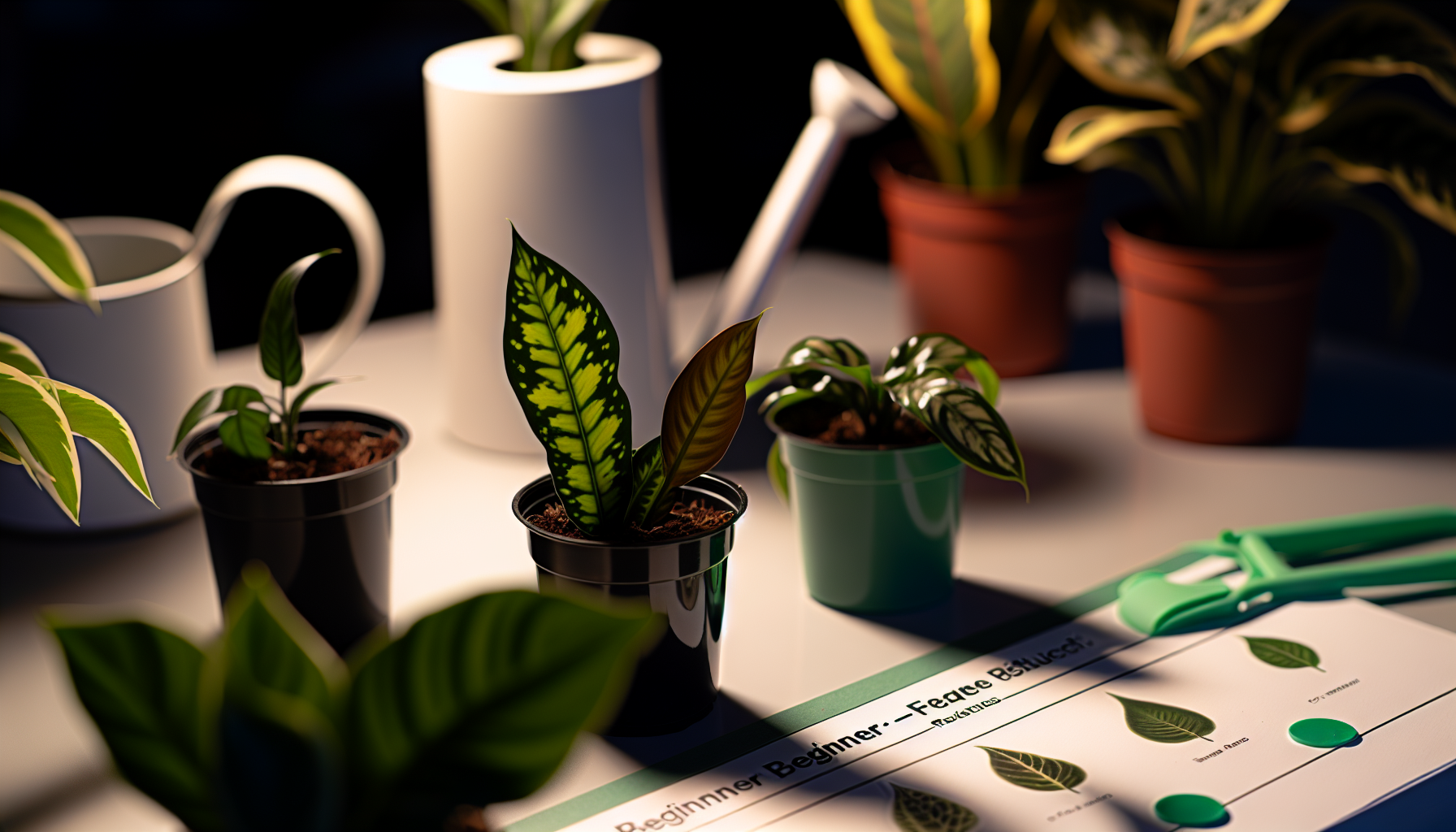
Choosing Beginner-Friendly Houseplants
For modern plant parents, starting with forgiving varieties is the quickest path from “I kept a plant alive for a week” to “I’ve cultivated a thriving green corner.” Begin with plants that tolerate a range of light, watering gaps, and occasional neglect. Popular options include snake plant, pothos, ZZ plant, spider plant, and peace lily. These species are resilient, recover well from imperfect watering, and adapt to apartment life with fluctuating sun. When you pick your first batch, think about your space: how much light you actually have, how often you travel, and how much time you’re willing to devote to care. Pair each plant with a simple, consistent routine rather than a complex schedule, and you’ll reduce overwhelm from the start.
- Snake Plant (low to bright indirect light; drought-tolerant)
- Pothos (low to bright indirect light; forgiving of infrequent watering)
- ZZ Plant (low light tolerant; prefers to dry out between waterings)
- Spider Plant (bright to medium light; easy to propagate)
- Peace Lily (bright indirect light; needs regular moisture)
Lighting, Watering, and the Right Soil
Understanding light is the first step to healthy growth. Most beginners thrive with plants that enjoy bright indirect light rather than harsh direct sun. Place sun-loving varieties near east- or west-facing windows; shade species in rooms with limited windows. Watering is the next critical skill: water deeply until excess drains out, then let the top inch of soil dry before watering again. Overwatering is the most common mistake, so establish a simple cadence—every 7–10 days for many plants, adjusted by your environment. Use a well-draining potting mix and a pot with drainage holes. For soil, a lightweight, airy mix works best; add perlite or orchid bark to improve drainage, especially for succulents. Finally, repot when roots become crowded, typically every 1–2 years, to refresh nutrients and avoid root binding.

Creating a Simple Routine and On-the-Go Care
A busy life doesn’t have to mean neglected plants. Build a straightforward weekly routine that fits your schedule. Set a 15-minute window for leaf cleaning, dust removal, and light rotation to ensure all sides receive light. Schedule a monthly check for soil moisture and fertilization with a balanced plant fertilizer at a low rate. Group plants with similar needs to streamline care and optimize humidity microclimates. Use reminders on your phone or a printable care calendar. As you grow your collection, rotate plants so no single specimen becomes sunburned or overly crowded in a corner. A consistent, predictable routine reduces stress and increases your success rate.
Problem-Solving for Common Houseplant Issues
Most issues come from mismatched light, improper watering, or poor drainage. Start with a quick diagnostic workflow: observe leaf color and texture, check soil moisture, inspect for pests, and note any root crowding. Yellow leaves often signal overwatering or poor drainage; brown leaf tips may indicate low humidity or underwatering. Root rot shows as mushy roots and a musty smell—if detected, remove the plant from soil, trim affected roots, and repot in fresh, sterile mix with drainage. Pests like spider mites and mealybugs manifest as webbing or cottony residues; treat with a gentle systemic or insecticidal soap. Regular cleaning and air circulation help prevent many problems from taking hold.
Styling and Sustainable Growth
Beyond care, aesthetics matter for the modern home. Group plants in odd numbers, varying heights, and complementary containers to create visual interest. Use plant stands, wall-mounted Planter systems, and shelves to maximize vertical space and air circulation. Rotate containers every few weeks to ensure even growth and light exposure. Choose durable, recyclable pots and avoid heavy water demands by selecting appropriate species for each location. Healthy plants inspire confidence and can become a design feature, not a burden. With a few resilient choices and a simple routine, your indoor garden evolves from a beginner collection to a curated living centerpiece.
Conclusion
In this guide, you’ve learned how to start with beginner-friendly houseplants, align your space with their light and watering needs, and establish a practical care routine that fits a modern lifestyle. You’ve also gained strategies to diagnose and fix common issues, plus styling tips to turn greenery into a living décor statement. The key is progress, not perfection: begin with a small, resilient set, observe how your plants respond, and adjust gradually. As you gain confidence, you’ll expand your collection with intention, celebrate small successes, and enjoy the therapeutic benefits of a thriving indoor garden. Welcome to a sustainable, stylish, and more connected way to care for plants at home.
Leave a Reply