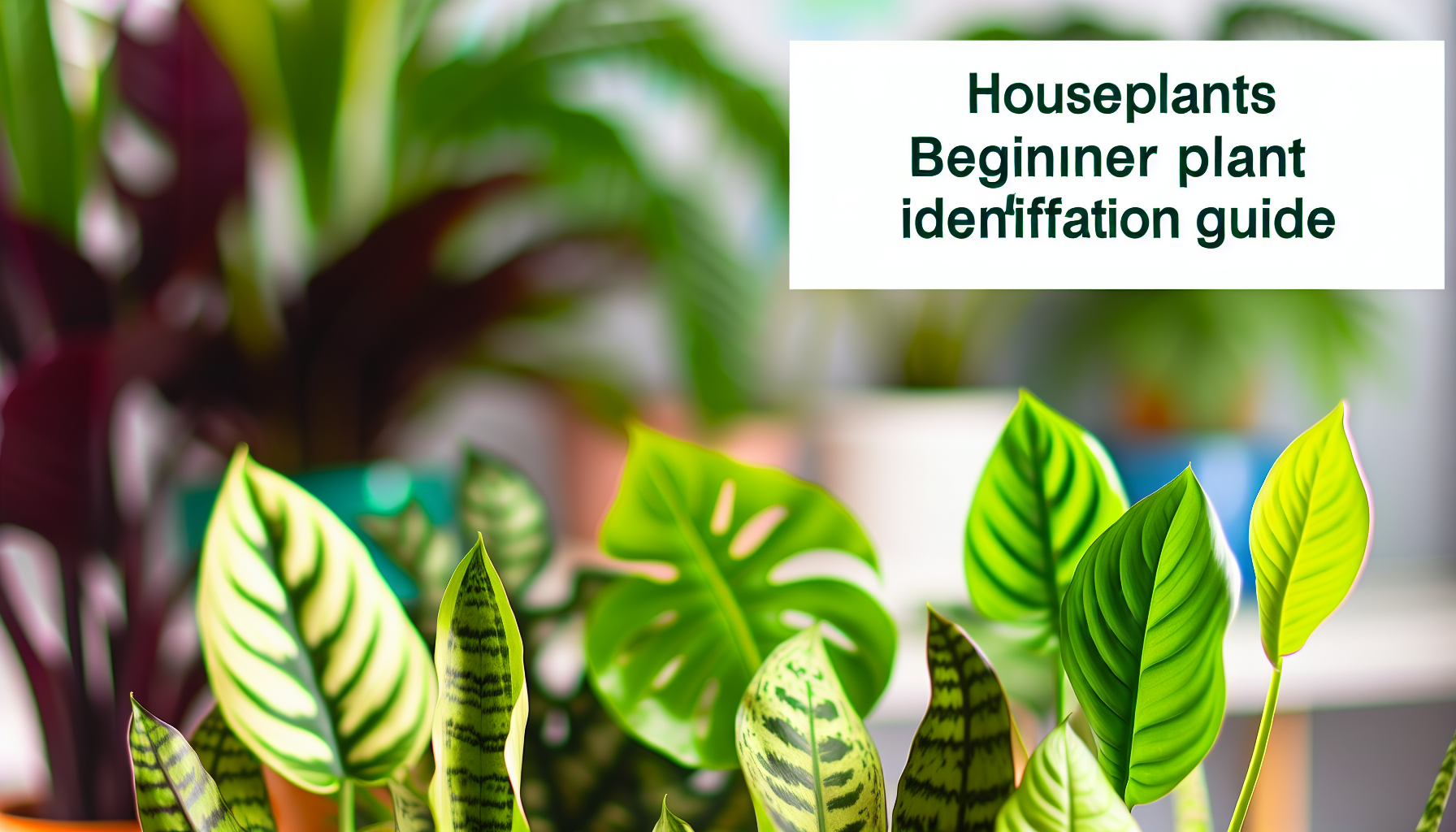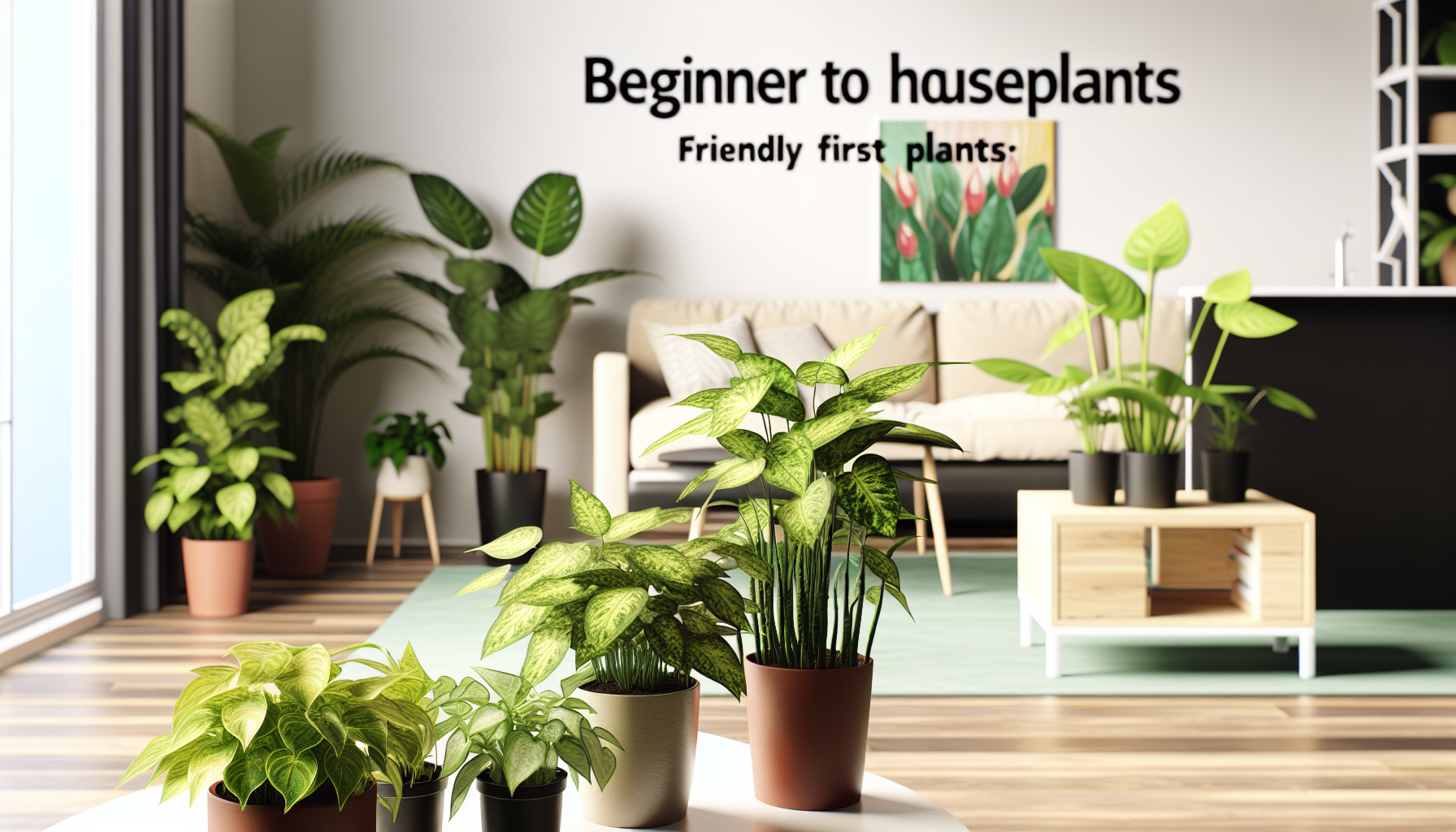
Indoor gardening doesn’t have to be intimidating. If you’re a beginner, the key is to start with easy-care plants and a simple routine that fits real life. This guide explores houseplants that tolerate low light, irregular watering, and small mistakes, then shows you how to set up a practical care system. You’ll learn how to pick forgiving species, assess your space for the right light, establish a dependable watering schedule, and use soil and containers that promote healthy roots. We’ll also cover common problems and quick fixes so you stay motivated rather than discouraged. By following these practical steps, you’ll build confidence, enjoy greener rooms, and turn plant care from a chore into a relaxing, rewarding habit. Let’s begin with the right plants.
Choosing beginner-friendly houseplants
Indoor gardening doesn’t have to be intimidating. This section helps you pick forgiving species that tolerate common home conditions and fit limited care time. Start with plants that respond well to imperfect light, occasional neglect, and simple watering routines.
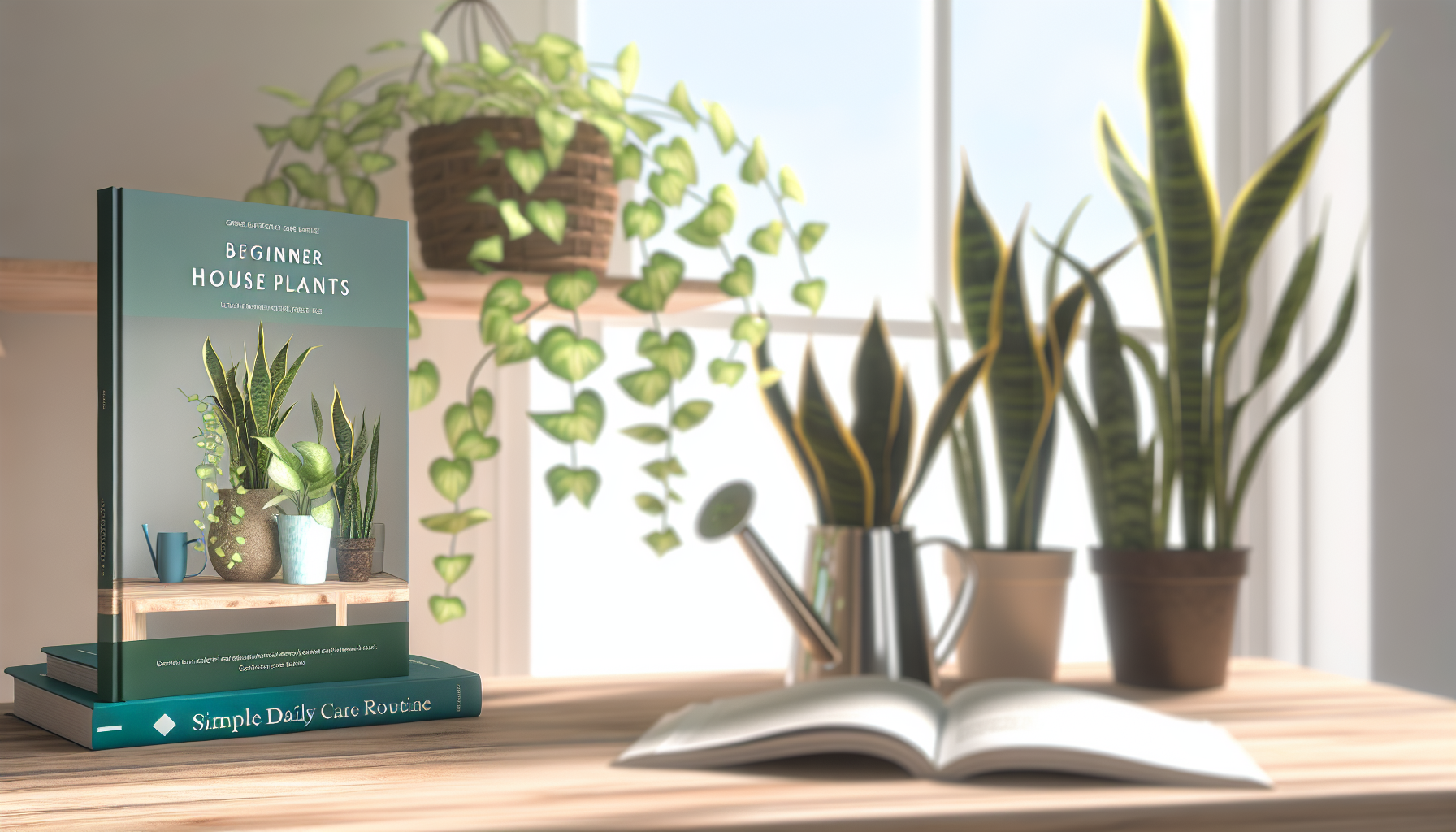
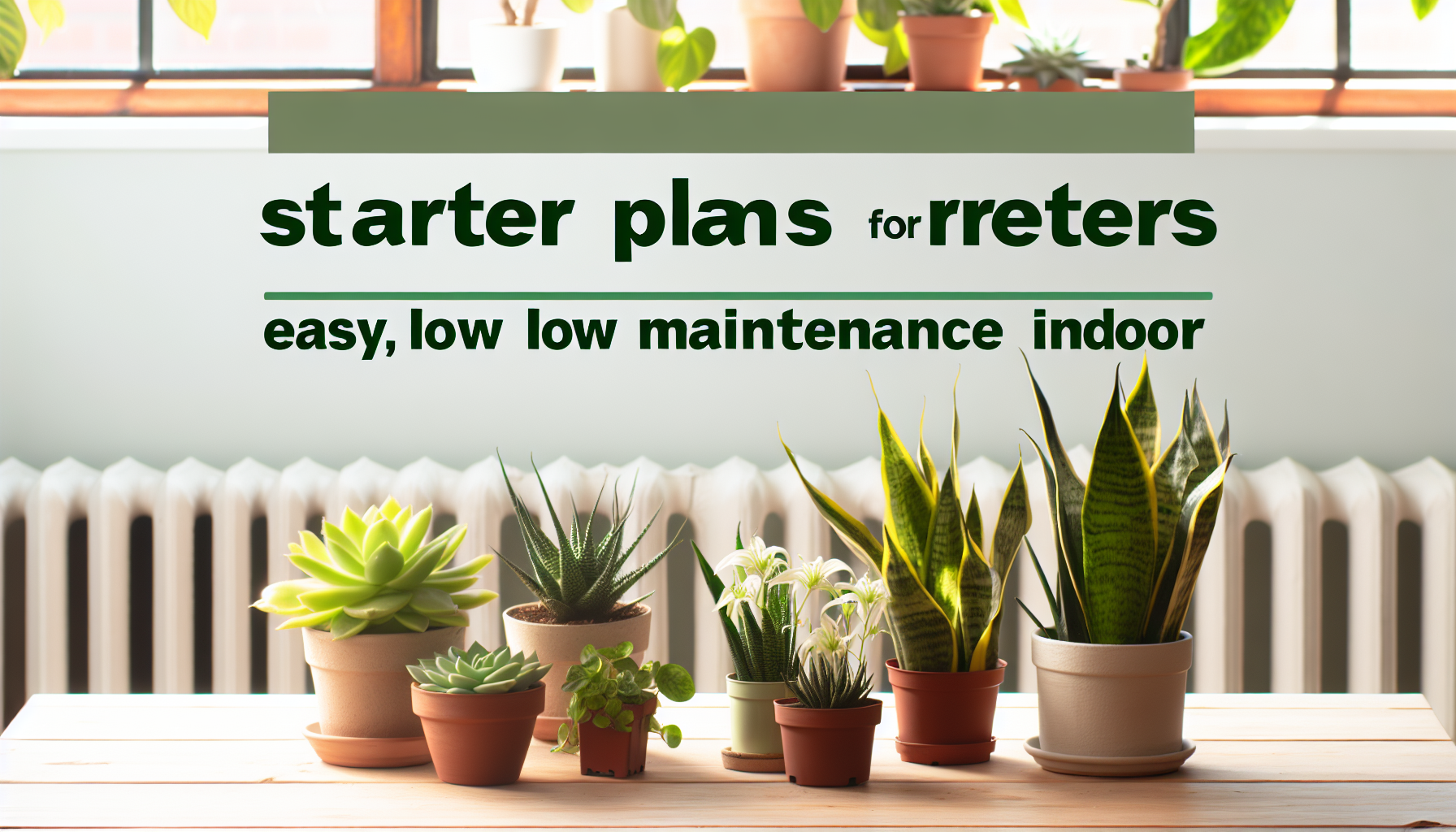
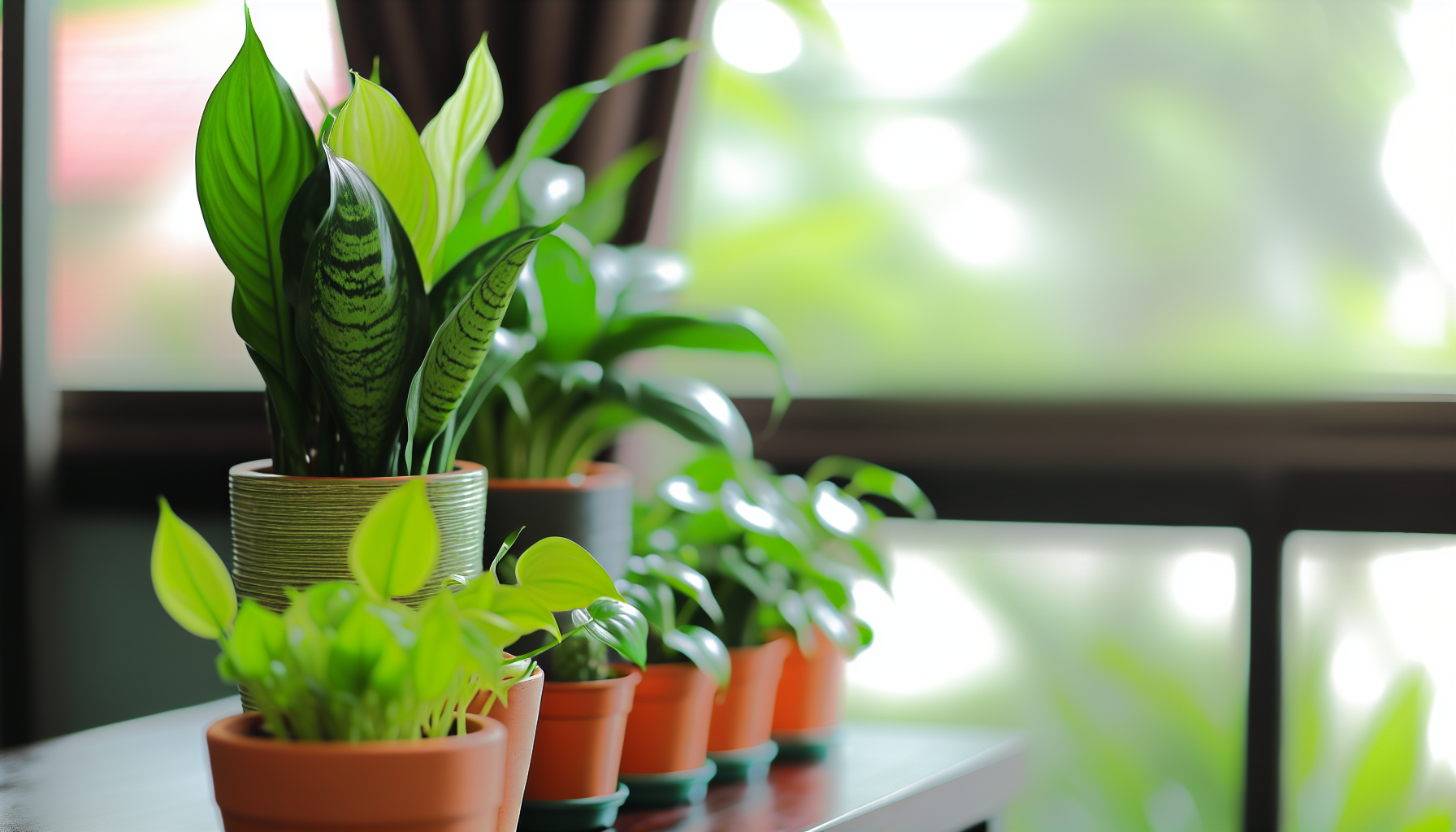
- Snake Plant (Sansevieria): forgiving, drought-tolerant, handles low light.
- ZZ Plant (Zamioculcas zamiifolia): stores water, low maintenance, enduring in low to medium light.
- Pothos (Epipremnum aureum): adaptable, great for shelves, thrives with indirect light and light watering.
- Spider Plant (Chlorophytum comosum): resilient, tolerates a range of light and humidity, easy offsets.
- Cast Iron Plant (Aspidistra elatior): excels in dim corners, very forgiving with watering.
- Peace Lily (Spathiphyllum): attractive, handles moderate light and weekly to biweekly watering when steady.
Choosing the right plants is the first step toward a healthy, low-stress collection that grows with you.
Setting up for success: light, water, soil, and containers
Setting up for success means balancing light, water, soil, and containers so plants can thrive with minimal attention.
- Light and placement: Most beginner-friendly species prefer bright, indirect light but can tolerate low light for several days. Place sun-hungry plants near a window with diffused light, and tuck shade-loving varieties away from harsh direct sun. Rotate plants periodically to keep growth even.
- Watering routine: Water when the top inch of soil feels dry to the touch, and ensure pots have drainage to prevent soggy roots. Use a watering can with a long spout to water evenly without splashing leaves.
- Soil and containers: Use a light, well-draining potting mix (ideally with perlite or pumice). Choose pots with drainage holes and, if you move plants often, lightweight containers for easier handling.
- Humidity and temperature: Aim for moderate humidity and stable temperatures between 65-75°F (18-24°C). Avoid cold drafts and heating vents that dry air quickly.
- Leaf care and rotation: Wipe dust from leaves to improve photosynthesis and rotate every few weeks to promote balanced growth.
With a straightforward setup, your care routine becomes predictable and repeatable.

Common problems and quick fixes
Even beginner-friendly plants can encounter issues if care routines drift. Learn to spot signs early and apply gentle adjustments that prevent escalation.
- Overwatering signs: yellowing leaves, mushy stems, or a musty soil smell. Remedy: allow soil to dry, improve drainage, and consider repotting into fresh mix with a breathable pot.
- Underwatering signs: drooping, crispy leaf tips, or soil that stays dry for days. Remedy: water thoroughly, check pot drainage, and adjust frequency to your plant’s pace.
- Low light symptoms: leggy growth, pale color, slower growth. Remedy: move to brighter indirect light or supplement with a small grow light.
- Pests: tiny specks, sticky residue, or webbing. Remedy: isolate affected plant, wipe leaves, rinse with water, and use insecticidal soap if needed.
- Soil and root issues: compacted soil or root rot after overwatering. Remedy: refresh soil, ensure pot has drainage, and trim rotten roots if needed.
Early detection and gentle adjustments keep plants healthy and avoid escalation.
Maintenance plan for ongoing success
To keep progress steady, establish a simple monthly routine and a seasonal calendar. Monthly tasks: inspect leaves, wipe dust, rotate pots, check for pests, and adjust light exposure if growth seems uneven. Every 6-12 months: repot when roots fill the pot and refresh soil to improve aeration. Fertilize lightly during the growing season (spring and summer) with a balanced, diluted houseplant fertilizer; skip or reduce feeding in fall and winter when growth slows. Maintain a minimal watering schedule based on plant type and environment, and document care notes to spot patterns over time. With consistency, your space becomes a thriving, low-stress green oasis.
Conclusion
With the basics in place, you now have a practical path to successful houseplant care. Start by selecting the right beginner-friendly species, set up a simple, forgiving routine for light, water, and soil, and keep a lean maintenance plan. The key is consistency over perfection: small, regular check-ins prevent problems from spiraling and help you catch issues early. As you gain experience, your plant collection will become more resilient and diverse without demanding constant attention. Remember to celebrate your wins, even if a plant droops for a day or two—the recovery is part of the learning curve. Equipped with these steps, you can transform any space into a lush, low-stress green oasis. Take it one plant at a time and enjoy the process.