Author: romek

  • Low Light in Your Home: Beginner-Friendly Plants and Care

    Low Light in Your Home: Beginner-Friendly Plants and Care

    What Low Light Really Means in Your Home

    Low light is not darkness; it’s a limited, indirect, or fluctuating light level that rarely reaches bright sunlight. In homes, this often occurs in north-facing rooms or spaces shaded by furniture, curtains, or walls. For plants, the difference between a bright windowsill and a dim corner can mean the gap between steady growth and leaf drop. To gauge your space, observe how many hours of gentle illumination you receive at different times of day and test with a forgiving plant if possible. The goal is to distinguish true low-light conditions from places that only feel dim because of glare or seasonal weather. With this understanding, you can choose varieties that tolerate shade and still thrive.

    Best Beginner-Friendly Low-Light Plants

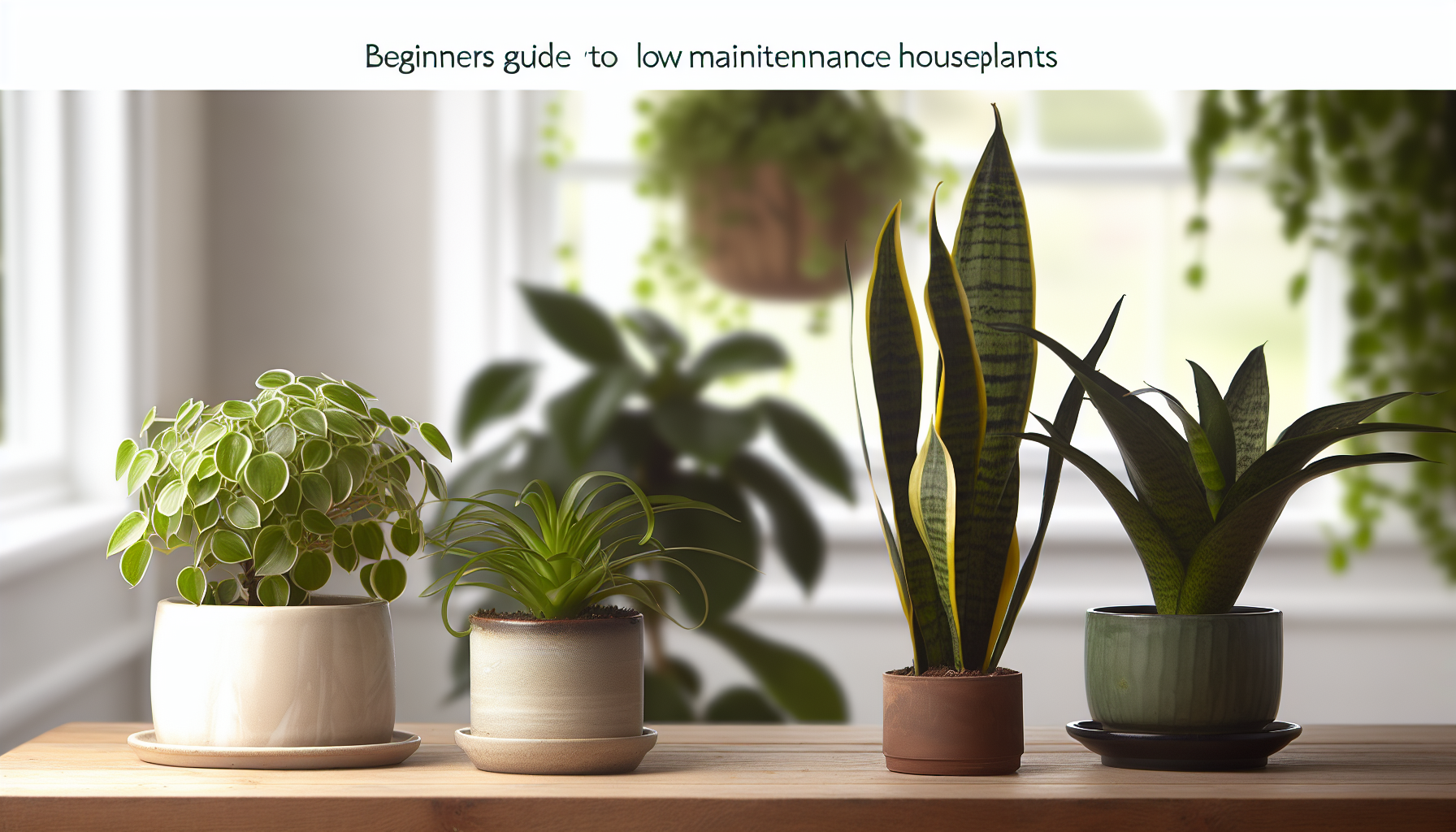
    Choosing the right species is the first step for success in dim rooms. The following plants are known for resilience in low light and minimal care:

    • Snake Plant (Sansevieria trifasciata) — tolerates neglect, stores water in leaves; water sparingly.
    • ZZ Plant (Zamioculcas zamiifolia) — thrives in shade and urban humidity; drought-tolerant.
    • Pothos (Epipremnum aureum) — trails beautifully; handles variable light but prefers consistent watering.
    • Peace Lily (Spathiphyllum) — appreciates low light and occasional bloom, needs regular watering without soggy soil.
    • Cast Iron Plant (Aspidistra elatior) — one of the toughest; tolerant of neglect and low humidity.

    Care Essentials for Low Light

    In low-light conditions, the most important care aspects shift from intense feeding to careful resource management. Watering should be less frequent but consistent—allow the top inch of soil to dry before watering again, and ensure pots have drainage to prevent root rot. Use a well-draining potting mix and a container with drainage holes. Feeds can be sparse: a light fertilizer every 4–6 weeks during the growing season is usually enough. Rotate plants occasionally so each side receives light, and keep them away from cold drafts or direct afternoon sun that can scorch leaves. Monitoring leaf color and growth tells you when adjustments are needed.

    Maximizing Light and Growth in Low-Light Spaces

    Even in dim rooms, you can optimize the available light with layout, reflectivity, and gentle supplementation. Place plants near the brightest window or door, but avoid direct sun. Use light-colored walls or reflective spacers to bounce light toward foliage. Consider a small, energy-efficient grow light mounted above or beside plants to extend daily light, especially in winter. Group plants to create a microclimate that retains humidity and reduces stress. Ensure even watering and avoid crowded pots. When upgrading lighting, choose full-spectrum LEDs rated for plants and aim for 8–12 hours of exposure per day, adjusting by plant type and season.

    App card

    Conclusion

    Throughout this guide you’ve learned to read your space, choose hearty companions, and care for them with a light touch. Low light doesn’t have to mean stunted growth or yellowing leaves; it means adapting your expectations and routines. Start with one or two forgiving plants, observe how they respond through different seasons, and adjust watering, soil, and position accordingly. If you add a small, affordable light option, select a model designed for greens and place it to supplement only when necessary. With consistent care and mindful placement, your dim corners can become thriving green spots that brighten rooms and lift your mood. Patience and observation will teach you which routines work best in winter darkness and summer sun.

  • Pet Safe Houseplants: A Beginner Guide

    Pet Safe Houseplants: A Beginner Guide

    Welcome to the beginner’s guide to keeping houseplants in pet-friendly homes. Many popular indoor plants can pose risks to curious cats and dogs, so choosing safe varieties becomes essential for a calm, green living space. In this guide we’ll cover how to select plants that are generally non-toxic, how to recognize and react to plant-related illnesses, and practical strategies for placing and caring for greens without inviting nibbling or accidents. You’ll learn a simple checklist to evaluate plants before you buy, see how light, watering, and potting choices influence safety, and discover habits that protect both pets and foliage. A little planning goes a long way toward a safe, lush indoor garden.

    Selecting Safe Plants for Pets

    Choosing plants with pet safety in mind starts long before checkout. Check reputable lists from veterinary groups and ASPCA; even non-toxic plants can upset a pet if eaten in quantity, so moderation matters. Aim for varieties known to tolerate beginners’ conditions—low light, infrequent watering, and rough handling—so you’ll spend less time fussing and more time enjoying greenery. Build a shopping list around plants that are generally non-toxic to cats and dogs and that stay compact enough for your space. Then pair your picks with a simple care routine to reduce stress for both you and your pets.

    • Spider plant (Chlorophytum comosum): hardy, widely considered non-toxic to cats and dogs; forgiving with water and light.
    • Boston fern (Nephrolepis exaltata): lush, non-toxic, loves humidity but avoids overwatering.
    • Parlor palm (Chamaedorea elegans): compact, safe, and forgiving with low light.
    • Areca palm (Dypsis lutescens): safe and attractive, good air purifier, needs bright, indirect light.
    • Ponytail palm (Beaucarnea recurvata): slow-growing, rugged, great for beginners.
    • Calathea and Maranta (prayer plants): striking foliage, non-toxic, prefer stable humidity.
    • Peperomia varieties: small, robust, and generally pet-safe.
    • Swedish ivy (Plectranthus verticillatus) and other easy epiphytes: resilient and forgiving.
    • African violet (Saintpaulia): colorful flowers, non-toxic and low-maintenance.

    Understanding Toxicity and Signs of Ingestion

    While many plants are harmless, several common houseplants can trigger medical issues for pets. Toxins vary from irritants to life-threatening compounds. In cats and dogs, look out for mucous membrane irritation, drooling, coughing, vomiting, diarrhea, or lethargy after nibbles. Plants to avoid include pothos, philodendron, and dieffenbachia (calcium oxalate crystals can cause mouth irritation and swelling), sago palm (severe liver toxicity), and lilies (especially dangerous to cats). Oleander and azaleas can affect heart rhythm. If ingestion occurs, remove the plant, rinse the mouth with water if feasible, and contact your veterinarian or an emergency clinic immediately. Have plant labels on hand to help with identification.

    • Common toxic plants to avoid: pothos, philodendron, dieffenbachia, sago palm, lilies (cats).
    • Watch for symptoms: drooling, mouth irritation, vomiting, lethargy, loss of appetite.
    • What to do: remove the plant, rinse mouth if possible, seek veterinary care promptly with plant information.

    App Card

    Placement, Lighting, and Care for Pet-Friendly Homes

    Pet-friendly design starts with thoughtful placement. Put light-loving or drought-tolerant plants in brighter zones, and shade-tolerant varieties in corners with indirect light. Elevate plants on shelves or hanging planters to reduce nibbling temptations; choose sturdy pots with wide bases so pets cannot topple them. Use heavy pots or plant stands and consider silicone-backed mats to prevent sliding. Water efficiently: use self-watering pots or water at a consistent schedule, always letting the top inch dry before watering again. Use well-draining soil and saucers, and keep cords and watering cans out of paws’ reach to avoid accidents.

    • Place high-risk nibble targets out of reach or use barriers; group plants by light needs to simplify care.
    • Opt for durable pots and stable stands; avoid overly tall, top-heavy arrangements.
    • Adopt a simple watering routine to prevent soggy soil that can entice digging.

    Pet-Proofing Practices and Safe Habits

    Even with safe plants, pets may still explore. Establish pet-free zones with doors, baby gates, or vertical barriers; use decorative cages or plant stands with clear boundaries to encourage pets to avoid plants. Offer appealing alternatives like cat grass or herbs in an accessible tub to satisfy nibbling instincts. When you repot or prune, wear gloves and check the soil for pests. Clean up spilled soil promptly and dispose of any damaged leaves to prevent further exposure. Finally, practice patience and consistency: positive reinforcement for avoiding plants works best when you combine it with clear boundaries.

    Conclusion

    By prioritizing pet-safe selections, understanding which plants pose risks, and implementing simple placement and care routines, you can build a thriving, pet-friendly indoor garden. Start with a small set of non-toxic varieties, keep dangerous plants out of reach, and establish clear boundaries so curious noses and paws learn where to roam. Regularly inspect plants for signs of damage or nibbling, rinse soil to minimize residues, and keep a ready plan for what to do if ingestion occurs. The most important takeaway is to align your greenery with your household’s habits, not against them. With patience and consistency, you’ll enjoy lush foliage, cleaner air, and the peace of knowing your pets are safe while you garden.

  • Minimalist Plant Guide for Beginners: Small, Calm Spaces

    Minimalist Plant Guide for Beginners: Small, Calm Spaces

    Minimalist homes embrace clean lines, open space, and a calm, clutter-free environment. A handful of houseplants can accent the vibe without turning interiors into garden chaos. This beginner’s guide explores how to choose, place, and care for a small collection of plants that enhance light, texture, and air without overwhelming a minimalist aesthetic. We’ll cover selecting plants that stay compact and forgiving, pairing containers with your color palette, arranging them for visual balance, and simple care routines that fit a busy lifestyle. By focusing on form, scale, and restraint, you can enjoy greenery that feels intentional rather than ornamental. Read on to design a serene, plant-friendly home that remains minimalist and livable.

    Choosing plants for a minimalist space

    In a minimalist setting, every plant earns its place. Start with a small, curated collection of 3 to 5 specimens, avoiding crowded groups. Look for architectural forms—tall, upright leaves, or clean, sculptural stems—that read as deliberate design elements rather than filler. Favor plants with compact growth or slower rhythms so they maintain proportion with your furniture. Choose varieties with solid green or subtle variegation to preserve the calm palette. For beginners, pick forgiving species that tolerate occasional neglect while still offering visual interest.

    • Low-maintenance and compact options with architectural shape
    • Good tolerance for varying light levels
    • Clear, appealing textures that complement neutral palettes

    Suggested starter plants: snake plant (Sansevieria), ZZ plant (Zamioculcas zamiifolia), pothos (Epipremnum aureum), spider plant (Chlorophytum comosum), and small varieties of pothos or peace lily with compact growth. Each brings structure without clutter.

    Light, space, and accessibility: matching plants to your home

    Minimalist design relies on reliable light planning. Assess each room’s light: bright indirect near a north- or east-facing window, or medium light in a living area. Avoid placing every plant in a single sunny corner; instead, distribute accents to maintain balance. Vertical space matters—use wall shelves or hanging planters to keep surfaces clear and emphasize clean lines. For tight spaces, lean toward plants that thrive in low to medium light and require gentle care. By mapping light and scale, you prevent overwatering and stunted growth.

    • Test light with a simple sun exposure check: observe where the sun lands during peak hours
    • Match plant choice to light level to avoid overwatering or leggy growth
    • Use wall-mounted planters to maximize floor space

    Plantico app

    Containers, arrangement, and aesthetics

    In minimalist interiors, containers should echo the space’s simplicity. Choose planters with clean lines, monochrome finishes, and uniform drainage. Limit the color palette of pots to two or three tones that complement furniture and textiles. Arrange plants in small clusters of three to create rhythm without crowding. Use varying heights to add depth while keeping sightlines clear. Avoid busy plant combinations; instead pair bold foliage with spare soil surface to emphasize negative space. When possible, center attention on a single focal plant and let others support it, aligning with the principle of “less is more.”

    • Opt for modular, stackable or wall-mounted pots for flexibility
    • Groupings should maintain clean negative space
    • Consider plant height, leaf shape, and texture to create visual interest

    Care routines and maintenance for beginners

    Minimalist upkeep should be predictable, not painstaking. Establish a simple weekly cycle: quick visual check, a light wipe of leaves, and a monthly soil and drainage check. Water only when the top inch of soil is dry, using tepid water to avoid root stress; overwatering is a common beginner pitfall. Use a well-draining potting mix and ensure pots have drainage holes. Rotate plants every few weeks to maintain even growth and prevent leaning toward light. Lastly, prune leggy growth and remove yellowing leaves to preserve tidy lines that define the space.

    • Simple watering calendar and a quick plant health checklist
    • Appropriate potting mix and drainage considerations
    • Pruning and rotation practices to sustain minimal aesthetics

    Conclusion

    In minimalist homes, a small, well-chosen plant collection can deliver warmth, texture, and air quality without disrupting the clean aesthetic. The secret lies in restraint: select compact, forgiving varieties; map light and placement to prevent growth that breaks the lines; choose simple containers and deliberate groupings that enhance negative space; and establish a predictable care routine that fits a busy lifestyle. Start with a curated trio or quartet, observe how the space feels, and gradually expand as you gain confidence. With consistent practice, your greenery becomes a quiet supporting character—quiet, purposeful, and perfectly aligned with the minimalist ethos.

  • Wellness Plant Guide: Choosing Easy Houseplants for Calm

    Wellness Plant Guide: Choosing Easy Houseplants for Calm

    Welcoming natural elements into living spaces is a proven way to boost mood, reduce stress, and improve air quality. For wellness-focused living, houseplants are more than decoration; they are daily practices that reinforce calm, routine, and mindfulness. This beginner-friendly guide walks you through selecting forgiving species, designing a nurturing space, mastering essential care, and weaving plant care into your everyday routine. You will learn how to choose plants that thrive in your light, how to arrange them for visual serenity, and how simple habits can turn plant care into a wellness ritual rather than a chore. By the end, you’ll have a practical plan to start small and grow with confidence.

    Wellness Plant App Card

    Choosing the Right Houseplants for Wellness

    For beginners, resilience beats novelty. Start with plants that tolerate beginner mistakes, variable light, and indoor drafts. Think long-lived, low-maintenance options that still offer visual calm. The goal is to build confidence with species that ask for less fuss while delivering steady rewards. Consider these starter picks and how they fit your space:

    • Snake Plant (Sansevieria trifasciata) — thrives in low light, tolerates sporadic watering, and adds architectural vertical interest.
    • ZZ Plant (Zamioculcas zamiifolia) — forgiving, glossy foliage, and good for rooms with irregular light patterns.
    • Pothos (Epipremnum aureum) — fast-growing, adaptable to hanging or shelf setups, ideal for beginners.
    • Spider Plant (Chlorophytum comosum) — resilient, produces baby plants, and loves bright-indirect light.
    • Peace Lily (Spathiphyllum) — elegant blooms in medium light, though it needs consistent moisture; great for adding serenity.

    As you select, assess your space: how bright is it, how often do you travel, and what’s your typical room temperature? Choosing plants that align with these conditions reduces the risk of overwatering or underwatering and keeps your wellness goals front and center.

    Designing a Wellness-Focused Plant Space

    A calming plant layout supports daily rituals and reduces cognitive load. Begin by mapping your space and creating microclimates that fit each plant’s needs. Then design a flow that invites you to interact with your greens rather than avoid them. Practical steps:

    • Chart your rooms for light exposure (bright, medium, low) and place plants accordingly.
    • Group plants by similar care needs on shelves or a dedicated plant stand to simplify maintenance.
    • Incorporate vertical gardening or hanging planters to maximize floor space and create visual depth.
    • Choose a cohesive color palette—greens, soft whites, and natural wood tones—to foster a tranquil atmosphere.
    • Position frequently used plants within easy reach of your desk, kitchen, or bathroom to encourage regular interaction.

    By crafting a simple, balanced layout, you create a living backdrop that supports focus, mood regulation, and a sense of control over your environment.

    Care Fundamentals for Beginners

    Solid habits beat sporadic attention. Understanding core care principles helps you avoid common mistakes and keeps plants thriving as you build your wellness routine. Focus areas include watering, light, soil, and seasonal adjustments:

    • Watering discipline: water when the top inch of soil dries out; avoid a strict schedule that doesn’t match plant needs. Use pots with drainage to prevent root rot.
    • Light awareness: most beginner-friendly plants prefer bright-indirect light; rotate plants monthly to equalize growth and prevent leaning toward light.
    • Soil and pots: use a light, well-draining potting mix and choose containers with drainage holes. Repot only when growth warrants it, typically every 1–2 years.
    • Fertilization: feed lightly in the growing season (spring–summer) and skip in winter; a diluted balanced fertilizer is usually enough.
    • Maintenance: wipe leaves to remove dust, which improves photosynthesis and reduces irritants in the air; inspect for pests monthly and take early action if spotted.

    Consistency is key. A simple weekly 10-minute routine—check moisture, dust leaves, rotate, and observe growth—builds confidence and compounds wellness benefits.

    Integrating Plants into Daily Wellness Routines

    Plants can anchor mindfulness and daily rituals, turning caretaking into a soothing practice rather than a task. Build micro-routines that center you and honor your space:

    • Start your day with a quick plant check-in: water if needed, wipe a few leaves, and notice any growth changes.
    • Use plant care as a grounding moment: a short 5–10 minute session can become a mental reset between tasks.
    • Keep a simple garden log—date, plant name, watering notes, and observations—to track progress and celebrate small wins.
    • Pair plant care with other wellness practices such as a 5-minute meditation or a slow, mindful tea break to deepen your routine.
    • Seasonal adjustments: light patterns shift with the seasons; adapt placement and care to maintain steady growth and calm aesthetics.

    With this integrated approach, plants move from decoration to a strategic component of your well-being framework, reinforcing daily calm and deliberate living.

    Conclusion

    In this guide you’ve learned how to choose forgiving plants that suit your space, how to design a calm, functional plant environment, and how to establish simple, sustainable care and wellness routines. By starting with resilience, you reduce overwhelm and create early wins that fuel momentum. A mindful approach to watering, light, and maintenance becomes a daily habit rather than a chore, turning your home into a living sanctuary. As you expand your collection and refine your routine, you’ll notice improvements in mood, focus, and stress management. Begin small, stay consistent, and let your plants grow with you on this wellness journey.

  • Creative Spaces with Houseplants: A Beginner Friendly Guide

    Creative Spaces with Houseplants: A Beginner Friendly Guide

    Creative spaces thrive on color, texture, and the subtle energy that plants introduce. Houseplants can transform a blank desk, studio corner, or writing nook into a living muse, offering not only beauty but improved air quality and focus. This beginners guide explores how to choose the right plants for creative environments, how to arrange them for impact, and how to care for them without turning your space into a plant clinic. We’ll cover beginner-friendly species that tolerate variable light, simple watering routines, and design strategies that balance form with function. By the end, you’ll have a clear blueprint to start small, build confidence, and coax daily inspiration from living greenery. Whether you work in a compact apartment or a roomy studio, the approach stays simple and scalable.

    Choosing for Creative Spaces

    When selecting plants for a creative workspace, prioritize light sensitivity, growth habit, and how the plant contributes to your mood and workflow. Desk-friendly specimens should be compact or trailing enough to direct attention without crowding your keyboard or artwork. Consider streams of natural light across the day; some spaces have bright morning sun while others stay in shade. Start with a few resilient varieties that tolerate fluctuations and minimal fuss. Group plants with similar needs to simplify care, and use planters that echo your studio aesthetic to reinforce your design vision.

    • Snake Plant (Sansevieria): tolerates low light and infrequent watering; sculptural, upright leaves that add architectural energy.
    • Pothos (Epipremnum aureum): fast-growing vine; forgiving of light variations and watering lapses; great for shelves and corners.
    • ZZ Plant (Zamioculcas zamiifolia): thrives in low to medium light and dry soil; compact, glossy leaves that suit modern spaces.
    • Spider Plant (Chlorophytum comosum): adaptable with baby plant offsets; cheerful arches that brighten mixed-media areas.
    • Philodendron Heartleaf: resilient, climbing or trailing; fills vertical space while staying manageable on a desk or stand.

    Setting Up for Creative Growth

    In this chapter you’ll learn how to configure light, water, and placement to support creativity rather than maintenance overwhelm. Start by mapping the light in your space at different times of day and align plant choices to those zones. Build a simple watering routine that fits your cadence—daily schedules or weekly checks—to avoid overwatering. Use pots with drainage and a moisture-safe saucer to protect furniture. Group plants with similar needs to reduce confusion, and label pots so you don’t forget watering or light requirements. Finally, establish a rotating plan so every few weeks you refresh position and brightness to keep inspiration fresh.

    • Watering rule of thumb: water when the top inch of soil feels dry; ensure drainage and never leave roots sitting in water.
    • Soil and potting: use a well-draining mix (cactus or all-purpose with perlite) and choose a pot with drainage holes.
    • Humidity and airflow: keep plants away from drafts but near ambient airflow to prevent fungal issues.
    • Lighting strategies: place bright-loving plants in sunny spots and tolerant ones in indirect light; use sheer curtains to diffuse harsh sun if needed.
    • Maintenance cadence: quick checks weekly for leaves, pests, and soil moisture; deeper care monthly or seasonally.

    App Card

    Designing with Plant Life

    Plants should enhance the creative narrative of a space, not compete with it. Use a mix of heights, textures, and leaf shapes to create visual rhythm. Consider color harmony: variegated greens, burgundy stems, or silver tones can echo or contrast with artwork. Planters and pots are part of the composition; choose shapes and materials that complement your furniture and wall treatments. Use vertical space—wall shelves, hanging planters, or modular racks—to keep desks clear and invite the eye upward. Create focal points and arbors with trailing species to guide sightlines toward art or a drafting table. By deliberately arranging plant clusters, you give your creativity a living stage without clutter.

    • Height variety: place tall plants like a rubber plant or monstera behind lower pieces to create depth.
    • Texture play: combine glossy leaves with velvety or ribbed textures for tactile interest.
    • Color accents: use pots or plant hues that echo or contrast with your predominant color scheme.
    • Groupings: cluster 3-5 plants for a lush vignette; vary spacing to avoid crowding and ensure airflow.
    • Rotation: periodically rotate plants to ensure even growth and prevent leaning toward light.

    Care, Propagation, and Longevity

    For beginners, longevity comes from reliable routines and gentle propagation rather than perfection. Establish a basic care cadence: weekly leaf wipe, monthly soil check, and seasonal repotting when roots crowd the pot. Fertilize lightly during the growing season with a balanced, water-soluble fertilizer. Learn to recognize stress signals: yellow leaves often point to watering or light issues, while brown tips can indicate low humidity or fertilizer buildup. Propagation is your growth hack—take cuttings from healthy stems, let the cuts callous for a day or two, then root in water or moist potting mix until new roots form. With patience and consistent care, your creative space becomes a living ecosystem that fuels ongoing creativity.

    • Care cadence: tailor watering to plant needs and season; keep a simple schedule or label reminders.
    • Repot timing: choose a pot only slightly larger than the root ball; gently loosen roots during transplant.
    • Fertilization: apply sparingly, once a month in spring and summer; skip in winter.
    • Pest management: inspect leaves for webs or scale; wipe with a damp cloth or use gentle horticultural soap if needed.
    • Propagation steps: take cuttings, root in water or soil, and transplant when rooted; share with friends to expand your green network.

    Conclusion

    By choosing beginner-friendly plants tuned to your space, setting up simple care routines, designing with intention, and maintaining a flexible propagation mindset, you can transform any creative space into a thriving green studio. This guide has shown how to match light and space with resilient species, create low-effort but high-impact care plans, and arrange plant clusters that echo your artistic goals rather than complicate your workflow. Start with one or two favorites, set a predictable watering schedule, and gradually introduce new textures or vertical elements as your confidence grows. Remember that plants are dynamic companions: as they grow, so can your creativity—and your workspace productivity. Treat them as members of your creative process and you’ll sustain energy and focus over time.

  • Urban Houseplants for Beginners: A Simple Guide

    Urban Houseplants for Beginners: A Simple Guide

    Houseplants for urban homes beginners guide: Growing greenery in city apartments and small homes can transform air quality, mood, and decor. This guide walks you through selecting beginner-friendly plants, creating a light-friendly setup in crowded spaces, and building simple care routines that fit a busy urban lifestyle. We’ll cover choosing resilient species, understanding light and space constraints, watering and soil basics, and practical maintenance tips to prevent common issues. Whether you live in a compact studio, a high-rise with limited windows, or a north-facing condo, you can start with a few easy plants and gradually expand. By the end you’ll have a simple toolkit to cultivate thriving houseplants that suit urban living. With the right approach, even a small window can host a flourishing mini greenhouse.

    Choosing the Right Houseplants for Urban Living

    Urban homes often lack ideal light and space, so start with resilient, compact species. Begin with beginner-friendly options such as snake plant (Sansevieria), pothos (Epipremnum aureum), ZZ plant (Zamioculcas zamiifolia), spider plant (Chlorophytum comosum), and peace lily (Spathiphyllum). These tolerate a range of light levels and occasional neglect while still delivering greenery and improved air quality. Consider your available space: trailing vines can fill shelves, compact varieties fit tabletops, and tall plants can anchor corners without crowding. If you have pets, prioritize non-toxic selections or place plants out of reach. Aim for 2–3 sturdy starters to practice basic care, then gradually expand as confidence grows.

    • Snake Plant (Sansevieria)
    • Pothos (Epipremnum aureum)
    • ZZ Plant (Zamioculcas zamiifolia)
    • Spider Plant (Chlorophytum comosum)
    • Peace Lily (Spathiphyllum)

    Light, Ventilation, and Placement Strategies

    Light is the most influential variable for plant success in urban spaces. Map your windows: north-facing rooms tend toward gentle light; east or west-facing windows offer brighter, shifting sun. If natural light is scarce, prioritize shade-tolerant species like snake plant, ZZ, and pothos and consider a simple LED grow light to supplement. Position light-loving plants within a foot or two of a window and rotate them every 1–2 weeks to prevent lopsided growth. Humidity can lag in city apartments, so group plants, use a humidifier, or place pots on a shallow tray with water and pebbles. Ensure good air circulation and avoid direct, harsh sun that can scorch leaves through glass.

    • Low light: snake plant, ZZ, pothos
    • Medium light: philodendron, peace lily
    • Bright light: ficus, herbs

    App Card

    Watering, Soil, and Feeding for Beginners

    Soil and drainage are the foundation of healthy growth. Use a well-draining potting mix for most tropical houseplants; reserve cactus/succulent mixes for sun-loving species. Choose pots with drainage holes and consider a drip tray to avoid water buildup. Watering should be based on soil moisture, not a fixed schedule: check the top 2.5–3 cm (1 inch) of soil and water when it feels dry to the touch. In winter, reduce frequency; in summer, you may need more regular checks. Fertilize sparingly during active growth (every 6–8 weeks with a balanced houseplant fertilizer) and flush salts with plain water occasionally. Remember: overwatering is the more common beginner mistake.

    Care Routine and Troubleshooting for Common Issues

    Establish a steady routine that includes leaf cleaning, pruning, repotting, and inspection for pests. Wipe dust from leaves weekly to maximize photosynthesis, trim leggy growth, and repot every 1–2 years or when roots saturate the pot. Watch for signs of stress: drooping leaves can indicate under-watering or low light, yellowing may signal overwatering, and brown tips can point to low humidity or fertilizer burn. Common urban pests include spider mites, scale, and mealybugs; isolate affected plants and treat with gentle options like insecticidal soap. If a plant struggles beyond quick fixes, propagate healthy cuttings to salvage interest and expand your collection gradually.

    Conclusion

    Starting with houseplants in an urban home is about selecting forgiving species, creating a resilient microclimate, and building a simple care routine. By choosing beginner-friendly plants, optimizing light through placement or affordable grow lights, and learning to water and feed with intent, you reduce common mistakes and increase success. A small window can become a productive growing space when you tailor your choices to your light, space, and schedule. Consistency beats intensity: regular but modest attention—clean leaves, check soil moisture, and adjust your setup as seasons change—will yield steady growth and the satisfaction of a greener home. As you gain confidence, you can expand thoughtfully and enjoy a thriving urban jungle that fits your lifestyle.

  • Houseplants for Remote Workers: A Beginner Guide

    Houseplants for Remote Workers: A Beginner Guide

    Introduction

    Bringing nature into your home office can transform a remote work routine. This beginner’s guide to houseplants for remote workers explores which plants fit a desk, how to choose low-maintenance options, and how simple care routines can boost mood, focus, and air quality during long workdays. We’ll cover practical selection criteria—light, water, and space—then move to setup tips that fit a busy schedule. Whether you work in a sunlit loft or a compact apartment, small, resilient plants can reduce stress and make your workstation feel more inviting. By the end, you’ll have a clear plan to start your plant-powered productivity upgrade. This article will flow from selection to care to wellbeing outcomes, helping you cultivate a healthier, more enjoyable workspace.

    Why houseplants matter for remote workers

    In a remote work setup, plants do more than decorate. They can reduce perceived stress, improve concentration, and filter indoor air when ventilation is limited. A growing desk-plant culture helps create a micro-environment that cues work and breaks the monotony of screen time. For beginners, the goal isn’t botanical expertise but sustainable routines. We’ll look at the top reasons to introduce greenery into your daily routine: mental calm, subtle biophilic design, and measurable boosts in mood and energy. We also discuss how even a small, thoughtfully placed plant can sharpen focus during tasks that require deep work.

    Choosing beginner-friendly plants for a remote workspace

    Start with varieties that tolerate imperfect light, infrequent watering, and a busy schedule. Prioritize durable species that thrive on neglect rather than perfection. A short list of beginner-friendly options includes:

    • Pothos (Epipremnum aureum) — forgiving, trails, tolerates low to medium light
    • Snake plant (Sansevieria) — drought-tolerant, air purifier, good for desks and shelves
    • ZZ plant (Zamioculcas zamiifolia) — drought-tolerant, robust, glossy leaves
    • Spider plant (Chlorophytum comosum) — adaptable, easy to propagate, brighten shelves
    • Peace lily (Spathiphyllum) — flowering option for moderate light, needs consistent moisture

    When selecting, consider light exposure, your watering habits, and the size of your workspace. Pair each plant with a simple pot with drainage to prevent root issues, and keep a small water schedule so care remains realistic within a busy day.

    Setting up an easy care routine and workspace layout

    Establish a minimal, repeatable care routine that fits your calendar. Place plants where they can receive suitable light—near windows for sun-loving types or away from harsh glare for shade-tolerant species. Use a simple watering approach: check soil moisture weekly and water only when the top inch dries, adjusting for the season. Group plants by similar needs to simplify maintenance, use light-colored pots to reflect heat, and add a tray or saucer to catch excess moisture and protect surfaces. Position plants within reach of your desk to encourage quick maintenance and to create a greener, more inviting workstation.

    App Card

    Maximizing benefits: maintenance tips and troubleshooting

    To sustain benefits, focus on consistency rather than perfection. Prune yellowing or leggy growth to promote bushier shape and better light capture. Watch for common issues: overwatering signs include soggy soil and root rot; underwatered plants show droopy leaves. Pest checks should be routine—look for tiny webs or specks on leaves and treat promptly. Re-pot when roots outgrow the container, typically every 1–2 years, using a breathable potting mix. Rotate plants occasionally to ensure even light exposure. By building a simple, repeatable routine and choosing resilient species, you’ll keep your workspace thriving with minimal effort while maintaining a calm, productive atmosphere.

    Conclusion

    Throughout this beginner guide, remote workers learn how to select beginner-friendly plants, set up an easy care routine, and integrate greenery into daily work life for improved wellbeing and productivity. We emphasized choosing durable species, smart placement, simple watering practices, and practical troubleshooting to prevent common problems. The payoff is tangible: enhanced mood, reduced stress, and a workspace that feels calmer and more inviting. Start small—one or two resilient plants—and build your routine as you gain confidence. With consistency, your home office will flourish, boosting focus during deep work and turning everyday tasks into a more enjoyable, nature-inspired experience.

  • Dorm Houseplants: Low Maintenance for College

    Dorm Houseplants: Low Maintenance for College

    The college years are busy, but a few resilient houseplants can transform a small dorm room into a calm, productive space. This beginners guide to houseplants for college students helps you pick plants that tolerate low light, irregular watering, and limited shelf space, while staying budget-friendly and low maintenance. We’ll walk through how to choose dorm-friendly varieties, set up a compact growing area, and build simple routines that fit a student schedule. You’ll learn practical tips on soil, containers, and lightweight care that reduce mess and avoid overwatering disasters. By the end, you’ll know which plants fit your room layout, how to care for them with minimal effort, and where to find reliable resources when you need help.

    App Card

    Choosing the right houseplants for college life

    In dorms, you’ll juggle limited space, varying light, and a tight budget. Start with plants that forgive mistakes and doesn’t require weekly trips to the store. Look for low-light candidates that thrive in small pots and prefer infrequent watering. Consider how your neighbors may react to plant soil and potential spills, and check dorm rules about soil and containers. The best beginner choices include snake plants, pothos, spider plants, ZZ plants, and some compact succulents. These plants tolerate a range of conditions, are easy to propagate, and stay visually appealing with minimal fuss. Pair each plant with a simple pot that has drainage to prevent root rot.

    • Snake plant (Sansevieria): very forgiving, survives neglect, improves air quality.
    • Pothos (Epipremnum aureum): versatile, climbs or trails, thrives in indirect light.
    • Spider plant (Chlorophytum comosum): fast-growing, easy to propagate, forgiving of watering gaps.
    • ZZ plant (Zamioculcas zamiifolia): handles low light and dry soil, durable.
    • Aloe vera or small jade plant: requires brighter spots but tight spaces work well.

    Simple care routines and problem-solving for beginners

    Begin with a simple weekly check-in that takes five minutes: inspect leaf color, soil moisture, and any signs of pests. Use a moisture meter or a finger test to decide when to water; overwatering is the most common dorm problem. Let the top inch of soil dry before watering, and ensure your pot has drainage. Use a lightweight potting mix and refresh the top layer occasionally. Watch for drooping leaves, yellowing, or brown tips as clues to adjust watering, light, or humidity. Common pests like spider mites or scale can appear in shared spaces; isolate affected plants and treat with gentle solutions. Keep a small emergency kit: spray bottle, spare potting mix, and a cheap moisture meter.

    • Watering routine: most dorm plants need less frequent watering than you expect; learn each plant’s rhythm.
    • Soil and pots: well-draining mix and drainage holes prevent root rot.
    • Pest and stress signals: drooping, yellowing, brown tips indicate issues to address.

    Creating a dorm-friendly growing space: light, soil, containers and schedules

    Light is often the limiting factor in dorm rooms. Place sun-loving plants near bright windows; for darker corners, consider reflective surfaces and a small LED grow light to supplement. Choose containers with drainage and lightweight materials for easy relocation. Wall-mounted planters or hanging baskets maximize vertical space, while shelves and desks provide micro-stages for your plants. Use a simple weekly rotation to keep growth even and to prevent plants from leaning toward a single light source. Pair a small watering schedule with reminders on your phone so you water when needed rather than on a fixed day. This approach keeps care predictable without becoming overwhelming.

    Budget-friendly upgrades and long-term plant care for semester-to-semester success

    Stay budget-conscious by starting with a few versatile plants and propagating new cuttings to expand your collection without buying more. Share pots with roommates to split costs and water needs. Reuse containers from kitchen scraps or thrift stores, ensuring proper drainage. Maintain a simple care log—note plant name, last water, and any issues—so you can track patterns across semesters. Look for local plant swaps or campus groups to exchange cuttings and tips. Finally, keep dorm policies in mind, store soil and fertilizer safely, and plan for seasonal changes (e.g., more irrigation in dry fall air). With consistency, your dorm garden becomes a sustainable, mood-boosting feature that lasts beyond finals.

    Conclusion

    As a student, you now have a practical blueprint for building a small, thriving indoor garden without overwhelming your schedule or budget. You’ve learned how to pick dorm-friendly plants, set up compact growing spaces, develop simple care routines, and stretch your plant budget through propagation and sharing. The core idea is to start small, observe how your room’s light and heat affect growth, and adapt your routines accordingly. By keeping a simple record and committing to a short weekly check-in, you’ll prevent neglect and build confidence in plant care. A few well-chosen greens will reduce stress, improve air quality, and bring a touch of nature to your busy college life.

  • Houseplants for Beginners: A New Plant Parents Guide

    Houseplants for Beginners: A New Plant Parents Guide

    Houseplants for new plant parents: beginners guide

    Bringing a new plant into your home can be rewarding and calming, but for first-time plant parents it also raises questions: How much light does it need? How often should I water? What soil is best? This beginner’s guide demystifies houseplant care with practical steps you can start today. We’ll start with plant selection—where to begin with resilient, forgiving species that tolerate imperfect conditions. Then we’ll map out a simple care setup: the right pot, well-draining soil, and a light environment that fits your space. Next, we’ll establish a routine for feeding, repotting, and seasonal adjustments. Finally, we’ll tackle common problems and quick fixes to keep your greens thriving. With practice, you’ll gain confidence and enjoy healthier plants.

    Choosing Your First Houseplants: Low-Maintenance Picks for Beginners

    When you’re new to plant care, start with forgiving species that tolerate imperfect conditions. Consider snake plant, pothos, ZZ plant, spider plant, and philodendron. These plants usually thrive in bright indirect light but can handle lower light and occasional missed watering. A practical approach is to start with 3–5 plants and pair varieties with similar light needs to simplify care. Look for plants with sturdy growth, a healthy leaf color, and no visible pests. Check the pot for drainage holes and use a well-draining potting mix. Begin with a simple routine: water when the top inch of soil dries, and rotate plants every couple of weeks for even growth.

    • Pothos: adaptable, trails; tolerates a range of light and watering gaps.
    • Snake plant (Sansevieria): extremely drought-tolerant, great in low light.
    • ZZ plant (Zamioculcas zamiifolia): forgiving, glossy leaves, likes to dry out between waterings.
    • Spider plant (Chlorophytum comosum): resilient, kid-friendly, and easy to propagate.
    • Philodendron varieties: low to moderate light needs; grows quickly with regular watering.

    Setting Up Your Care Environment: Light, Water, Soil, and Potting

    Begin by evaluating your space: how much natural light is available? Most beginners do well with bright indirect light, but several forgiving species tolerate lower light. Place plants near east or north-facing windows if possible, or near artificial lights if your space is dark. Use pots with drainage holes and a well-draining potting mix; avoid garden soil that stays wet. Watering should mirror the plant’s needs: test the soil with your finger and water when the top inch is dry. Aim for consistency rather than perfection, and remember that humidity is optional for many tropicals but helpful in dry homes. Grouping plants together can raise ambient humidity naturally.

    • Soil and potting: use a standard houseplant mix with perlite or sand for drainage.
    • Watering rhythm: check soil moisture; most beginners water every 5-14 days depending on species.
    • Light strategy: match plants to available light; avoid placing sun-loving species in deep shade.
    • Maintenance tools: a moisture meter is optional but helpful; a microfiber cloth keeps leaves clean.

    App Card

    Establishing a Routine: Feeding, Repotting, and Seasonal Care

    Fertilizing keeps growth steady. Use a balanced houseplant fertilizer at half strength every 4–6 weeks during the growing season; in winter, reduce or pause feeding. Repot plants every 1–2 years or when roots circle the pot, choosing a container just slightly larger with fresh potting mix. Regular leaf care helps plants stay healthy: wipe dust off leaves with a damp cloth and prune leggy growth to encourage a fuller shape. Seasonal care matters: in winter provide steady temperatures, less water, and avoid drafts; in summer increase monitoring for heat or sun scorch. Keep a simple care journal to track watering, light, and fertilization for ongoing improvement.

    Common Problems and Quick Fixes for New Plant Parents

    Overwatering is the most common beginner mistake. Signs include yellowing leaves, soft stems, and a stale soil smell. Fix by letting the soil dry more between waterings, improving drainage, and considering a repot with fresh soil. Underwatering presents as crispy, droopy leaves; adjust by a regular watering schedule and consistent moisture. Pests like spider mites, mealybugs, and scale can appear; isolate affected plant and treat with gentle alcohol swabs or neem oil. Lighting issues show as pale or leggy growth; slowly move plants to brighter indirect light. Clean leaves to improve photosynthesis and monitor for changes in growth. If a plant struggles, consider propagation to keep the plant family thriving in your space.

    Conclusion

    In this beginner’s guide you’ve learned how to choose forgiving houseplants, set up a space that supports growth, establish a practical care routine, and troubleshoot common issues. The key is to start simple: select 3–5 resilient plants, provide good drainage, and water by feel rather than by the calendar. Establish a routine that fits your life, not the other way around, and give yourself permission to learn from small mistakes. As you gain experience, you can experiment with more diverse varieties and occasional propagations. With patience and attention, your home will become a thriving green space that boosts mood, air quality, and confidence in your own plant parenting skills. Keep curiosity alive, and celebrate every new leaf along the way.

  • Small Apartment Greenery: Space Saving, Beginner Houseplants

    Small Apartment Greenery: Space Saving, Beginner Houseplants

    Living in a small apartment doesn’t have to mean sacrificing greenery. A well-chosen collection of houseplants can brighten tiny rooms, improve air quality, and boost mood, turning a compact space into something calmer and more inviting. The challenge is selecting plants that fit both the available light and the footprint you can spare on shelves, countertops, and corners. In tight spaces you want compact varieties that stay neat, tolerate irregular watering, and don’t overwhelm vertical space. Start by mapping your microclimates—bright windows, shaded corners, and places with occasional drafts. With a little planning, a small group of healthy plants can transform your apartment from bare to vibrant without creating clutter. This guide shows you how to pick, place, and care for them.

    Living with houseplants in tight spaces: benefits and constraints

    In small apartments, plants are not just decor—they are practical companions. They add color, reduce stress, and can even subtly improve air quality. The key is choosing varieties that stay compact, tolerate variable light, and require minimal fuss. Space is your most valuable resource, so prioritize vertical growth, low-profile planters, and routes that keep walkways clear. Consider the room’s microclimates: a bright kitchen window may offer a longer growing season, while a dim living room will favor shade-tolerant species. By aligning plant selection with your habits and the apartment layout, you can enjoy greenery without clutter or constant upkeep.

    Choosing beginner-friendly plants for low light and compact spaces

    Start with a core of rugged, low-maintenance species that thrive in limited light and small pots. The pothos (Epipremnum) is a trail-friendly workhorse; it tolerates erratic watering and can grow around shelves. The snake plant (Sansevieria) stores water in its leaves, making it nearly drought-proof. The ZZ plant (Zamioculcas) handles neglect and tolerates dry air. Philodendron heartleaf, spider plant, and compact peace lilies offer greenery and versatility without demanding a precise schedule. For every plant, note light exposure, a realistic watering rhythm, and whether you need a lightweight pot or a self-watering option. If light is especially scarce, consider supplementing with affordable LED grow lights to extend the day for your leafy friends.

    Plantico app card

    Smart space-saving layouts and setups for small apartments

    Putting plants to work without crowding surfaces requires thoughtful placement and clever storage. Use vertical space with wall-mounted planters or slim corner shelves that hold several pots without occupying floor area. A tiered plant stand or a hanging basket system near a bright window can create a lush, layered look. Group plants with similar light needs on the same shelf to simplify care and watering. Consider self-watering pots for busy weeks, and choose compact varieties that stay within standard shelf depths. For bathrooms and kitchens, choose humidity-tolerant options and place them away from drafts. Finally, choose a cohesive color palette and pot sizes to maintain a tidy, intentional display that feels larger than it is.

    Care routines, maintenance, and troubleshooting for beginners

    Most beginner-friendly plant care boils down to consistency and observation. Establish a simple watering schedule based on the plant type and your home’s humidity, and avoid treating all plants the same. Use finger tests or a moisture meter to check soil before watering; overwatering is the most common problem. Remember to repot when roots fill the container and refresh the topsoil annually to prevent compaction. Fertilize lightly during the active growing season and skip in winter. Watch for signs of pests, such as sticky residue or webs, and quarantine new plants. With patience, even a modest plant collection will thrive and keep your small home feeling airy and alive.

    Conclusion

    Bringing houseplants into a small apartment is about smart choices, not sacrifice. Start with a small, well-protected core of hardy plants, arrange them to maximize light and flow, and employ space-saving solutions that keep counters clear. Develop a simple routine—check soil moisture, rotate plants for even growth, and adjust care with the seasons. As you grow more confident, expand your collection gradually, always prioritizing balance between greenery and living space. The result is a home that feels brighter, calmer, and more personal, with the easy beauty of nature integrated into everyday life. If you stay patient and deliberate, your tiny apartment can become a lush, sustainable oasis.