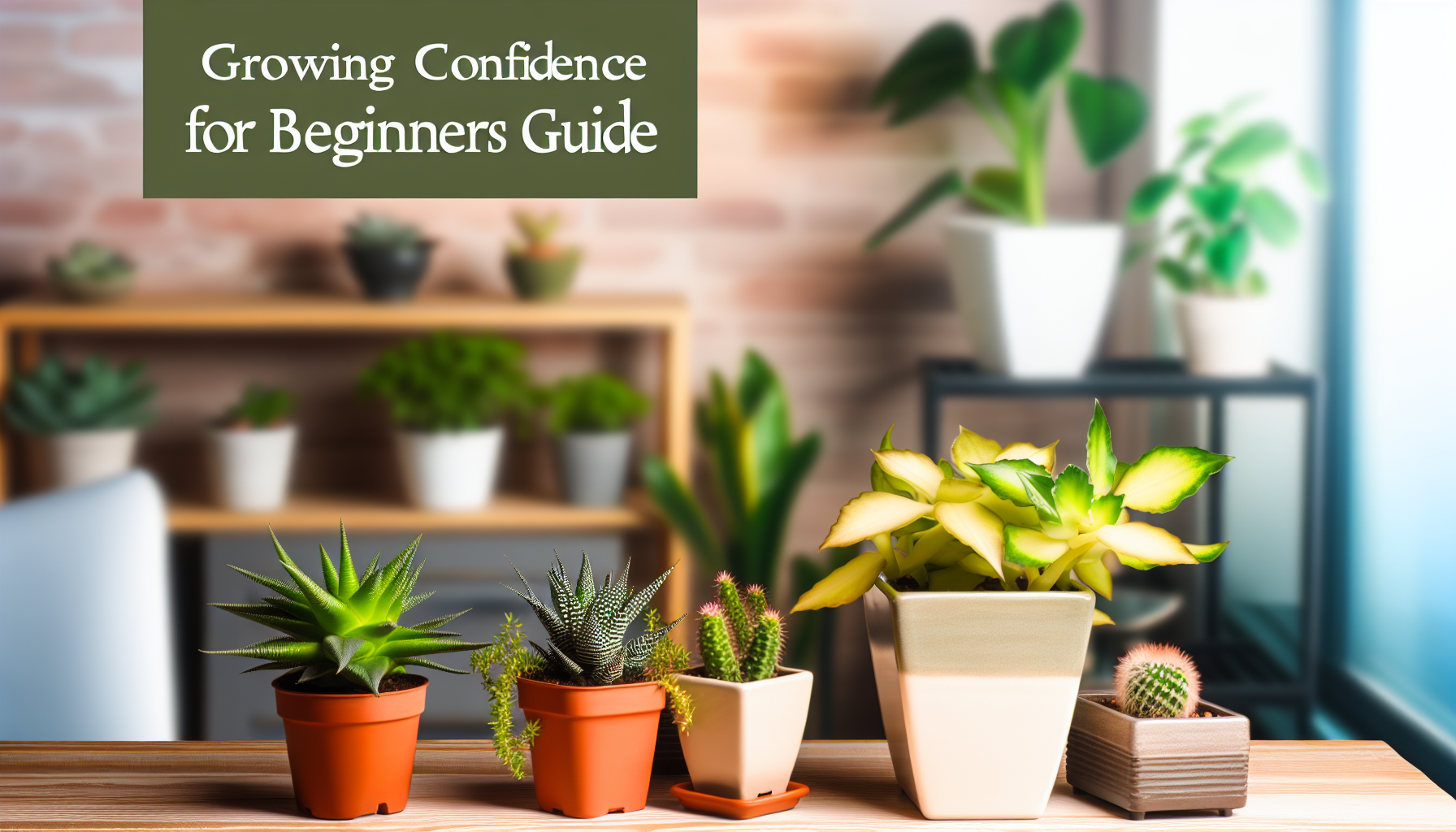
Houseplants for Growing Confidence: Beginner’s Guide
Growing confidence often begins with small, achievable wins. Houseplants offer a simple, tangible way to practice consistency, patience, and care in daily life. This beginner’s guide explores how growing a few hardy houseplants can quietly boost your confidence while creating a greener home. We’ll start by choosing beginner-friendly varieties that thrive on minimal fuss, then show you how to set up a grow space that fits your lifestyle. From easy watering schedules to gentle observation routines, the steps are designed to be repeatable and rewarding. By building momentum with mindful plant care, you can translate plant success into personal confidence, resilience, and a sense of accomplishment. This article provides clear, practical steps you can start today to grow both plants and belief in yourself.

Choosing the Right Houseplants to Build Confidence
When you’re new to indoor gardening, start with plants that tolerate common rookie mistakes—overwatering, low light, and irregular routines. Low-maintenance varieties reduce perceived risk and create early wins that reinforce positive habits. Look for plants that survive on indirect light, dry spells between waterings, and forgiving soil. A thoughtful mix helps you understand different care needs without feeling overwhelmed. This chapter introduces a curated shortlist and explains how each plant maps to typical beginner conditions, so you can select species that align with your home and your schedule.
- Snake Plant (Sansevieria): thrives in low light, tolerates irregular watering, and adds architectural interest.
- Pothos (Epipremnum aureum): forgiving, climbs or trails, good for beginners who want quick visual progress.
- ZZ Plant (Zamioculcas zamiifolia): drought-tolerant with glossy leaves, stable in varied light.
- Spider Plant (Chlorophytum comosum): adaptable, baby plant offsets show growth fast.
- Peace Lily (Spathiphyllum): elegant blooms, handles lower light but needs regular moisture.
Understanding these profiles helps you choose plants that fit your space and confidence level. As you experiment with placement and watering, you’ll notice you can predict outcomes more reliably, which is the essence of building confidence. In the next section, we’ll translate this plant selection into a practical setup that supports consistent care.
Setting Up Your Growing Space: Light, Pots, and Routine
A forgiving growing space reduces the cognitive load of plant care. Start by assessing natural light in rooms where you’ll place your plants and select containers with drainage to prevent root rot. Opt for breathable potting mix and a simple watering plan to avoid the extremes of frequent guesswork. This chapter guides you through creating a practical layout that matches your daily life, not the other way around. A well-organized space sets the foundation for steady progress and strengthens your commitment to plant care, which in turn reinforces your personal confidence.
- Light zones: bright indirect light for most of the week, with a safe spot in shade for tolerant plants.
- Containers & soil: choose pots with drainage holes and a breathable mix for indoor plants.
- Watering tools: a simple bottle with a narrow spout or a moisture meter to avoid overwatering.
- Starter kit: a small watering can, plant mister, and a weekly care calendar.
With setup in place, you’ll find it easier to maintain a routine. The next chapter dives into care rituals that sustain momentum and prevent stagnation.
Basic Care Routines that Build Consistency
Consistency is the engine of confidence. Establish a simple, repeatable care routine rather than a complex schedule. A weekly rhythm—check soil moisture, wipe dust from leaves, rotate plants for even growth, and inspect for pests—creates predictable steps you can perform with little mental effort. Pair this with a monthly feed or a light fertilizer during growth spurts. By treating plant care as a series of small, doable tasks, you reduce hesitation and increase your sense of mastery. As you complete each interval, you’ll notice a growing belief that you can care for living things with competence.
- Weekly checks: soil moisture, leaf cleanliness, and light orientation.
- Watering rule of thumb: allow the top inch of soil to dry before watering for many succulents and tropicals.
- Leaf care: wipe dust with a damp microfiber cloth to keep photosynthesis efficient.
- Rotation: rotate 90 degrees every week to promote even growth.
- Feeding: dilute fertilizer to half-strength and apply monthly during active growth.
These routines become automatic, which supports your confidence to tackle new challenges beyond plant care. The subsequent chapter explains how to quantify progress so you can see tangible growth in your confidence too.
Tracking Progress and Building Confidence
Documentation translates plant growth into personal growth. Keep a simple plant diary: note when you watered, any changes in leaf color or new growth, and how you felt about the task that day. Take monthly photos to visualize progress, and celebrate small milestones—root growth, new leaves, or first flower. Tracking not only helps diagnose problems early but also reinforces a positive feedback loop: you perform the routine, your plants respond, and your self-belief strengthens. By turning care into data and reflection, you create a clear narrative of improvement that you can apply to other goals in life.
- Photo timeline: weekly snapshots show subtle growth over time.
- Plant metrics: number of new leaves, length of vine, bloom presence.
- Personal milestones: completing a full month of routines, adjusting care for seasonal changes.
- Reflection prompts: what went well, what could be improved, and what surprised you?
Armed with these insights, you’ll approach challenges with curiosity rather than anxiety. The final chapter covers common hurdles and practical remedies to keep your confidence rising.
Common Challenges and How to Overcome Them
Even seasoned plant parents encounter rough patches. Overwatering, underwatering, low humidity, pests, and yellowing leaves are common symptoms, not failures. Approach problems with a diagnostic mindset: check soil moisture, root health, drainage, lighting, and temperature before making adjustments. If leaves yellow, reassess watering frequency and nutrient needs; if roots are soggy, improve drainage and soil mix. Pests like spider mites or mealybugs respond to a gentle, repeated cleaning routine and targeted treatments. Remember: setbacks are data. Each correction teaches you more about your space and your routines, which strengthens your overall confidence to adapt and persevere.
- Diagnosis steps: test soil moisture, inspect roots, evaluate light and humidity.
- Moisture management: adjust watering schedule to match plant type and season.
- Pest control: isolate affected plants, clean leaves, and use appropriate remedies.
- Adaptation: rotate plant placement to optimize conditions and reduce stress.
With proactive problem-solving, you’ll see challenges as solvable puzzles rather than threats. This mindset—learn, adjust, repeat—becomes the core habit that fuels long-term confidence in gardening and beyond.
Conclusion
Throughout this guide you learned how to select beginner-friendly houseplants, create a forgiving growing space, establish simple care routines, track progress, and handle common challenges. Each step is designed to build confidence through consistent, attainable actions rather than perfection. By starting with resilient plants and a practical setup, you reduce fear of failure and create momentum you can apply to other goals. As you observe plants thrive and your routines become second nature, you’ll notice a shift in mindset: setbacks become data, progress becomes proof, and your self-belief grows alongside your indoor garden. Embrace the process, celebrate every new leaf, and let your confidence bloom. Return often to adjust goals, and celebrate every new leaf as a personal milestone and progress.
Leave a Reply