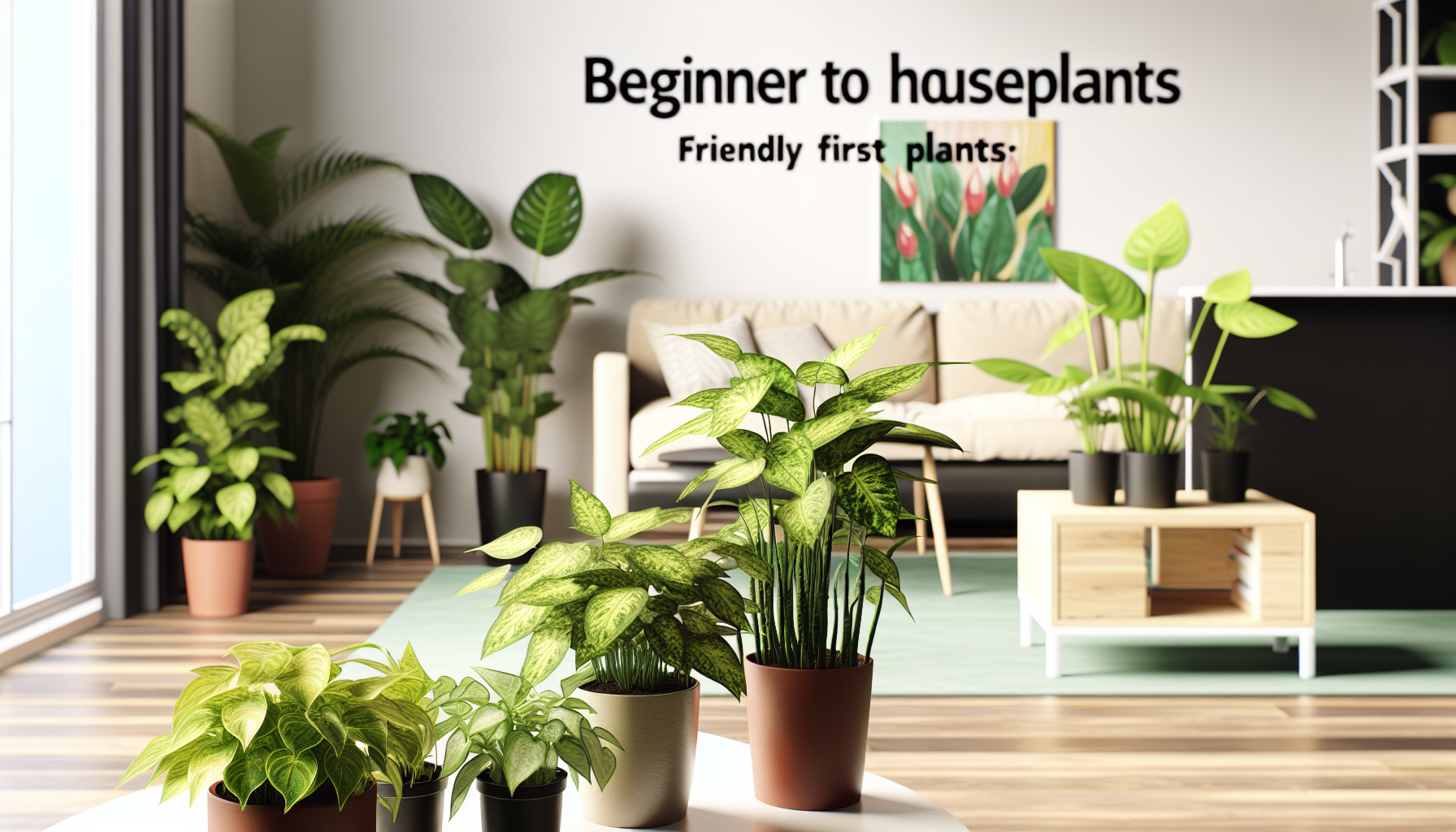
Introducing Houseplants for Plant Lovers in Training: A Beginner’s Guide
Welcome to a practical guide for plant lovers in training. If you’re just starting with houseplants, the world of light, watering, soil, and pests can feel daunting. This article focuses on four connected chapters that build confidence: choosing friendly beginner plants, mastering core care, spotting and solving common problems, and growing your collection with a simple plan. You’ll learn how to pick forgiving species that thrive in typical homes, how to create a simple care routine, what signs indicate stress, and how to track progress so your indoor jungle expands without chaos. By the end, you’ll have a clear path from first plant to a blooming, low-stress collection you can genuinely enjoy.
Choosing Your First Houseplants: Start with the Friendly Few
For beginners, the best starting lineup includes plants that forgive irregular watering, tolerate lower light, and recover easily from mistakes. These species become your training wheels, teaching you to observe, measure, and adjust without dramatic consequences.
- Snake Plant (Sansevieria trifasciata) — thrives in low to bright indirect light and dries out between waterings.
- Pothos (Epipremnum aureum) — climbs or trails, tolerates imperfect watering, and comes in many variegations.
- ZZ Plant (Zamioculcas zamiifolia) — drought-tolerant and slow-growing, great for forgetful weeks.
- Spider Plant (Chlorophytum comosum) — forgiving, baby plantlets, and prefers bright, indirect light.
- Peace Lily (Spathiphyllum) — shows clear signs when thirsty and rewards with blooms in proper light.
Core Care Essentials: Light, Water, Soil, and Drainage
Light is the first language your plants speak. Most beginners do well with bright, indirect light, but some adjustable plants tolerate dim corners. Observe leaf color and growth as clues. Watering is the second pillar; many issues stem from overwatering. A simple rule is to water when the top inch of soil feels dry, and ensure pots have drainage holes. Use a light, airy potting mix with perlite or pumice for drainage. Pots without drainage invite root rot, so choose containers with a tray or saucer to catch excess moisture. Rotate plants every few weeks to encourage even growth. Place a humidifier or tray of damp pebbles for species that appreciate higher humidity.

Soil matters: use a well-draining mix rather than heavy garden soil. For qualities like pest resistance and plant health, keep the root zone aerated and not waterlogged. Choose the right pot size—about one to two inches larger than the root ball—and refresh soil every year or two when repotting.
Common Challenges and Troubleshooting for Trainees
Avoid the most common pitfalls: underwatering signs include droopy leaves that recover after watering; overwatering shows yellowing leaves and a musty smell. Pests like spider mites and scale can appear quickly in dry indoor air; wipe leaves with a damp cloth and consider insecticidal soap if needed. If growth stalls or leaves pale, assess light, watering, and fertilization. Root rot is a silent killer; if the soil stays soggy, trim the rotted roots and replant in fresh mix with proper drainage. Creating a simple diagnostic routine—monthly checks of moisture, light, and leaf condition—helps you catch problems before they escalate.
From Starter Set to Personal Collection: Planning and Maintaining Your Indoor Jungle
Develop a plan that grows with you. Start with 4–6 beginner plants and track their progress in a simple care calendar: note watering days, fertilization, and any changes in light across seasons. Expand gradually by choosing plants with similar care needs to reduce routine shifts. Label pots with plant name and care notes to reinforce memory. Schedule quarterly repotting, clean leaves to maximize photosynthesis, and rotate plants to keep growth balanced. Finally, cultivate observation skills: tiny changes in leaf color, new growth, or slowed growth tell you when to adjust light, water, or humidity. A deliberate, paced approach keeps your indoor garden thriving and enjoyable.
Conclusion
Starting with forgiving plants and a simple care routine gives beginners a solid foundation. By focusing on light, water, soil, and drainage, you learn to read plant signals rather than chase generic schedules. A small starter collection reduces overwhelm while building confidence to troubleshoot problems as they arise. Regular observation—note how leaves respond to seasonal light changes, or how quickly soil dries after watering—transforms care from guesswork into an informed habit. As you expand your collection, group plants with similar needs, maintain a simple calendar, and celebrate small wins that demonstrate progress. With patience and consistent practice, your training period becomes a joyful, lifelong relationship with green roommates.
Leave a Reply