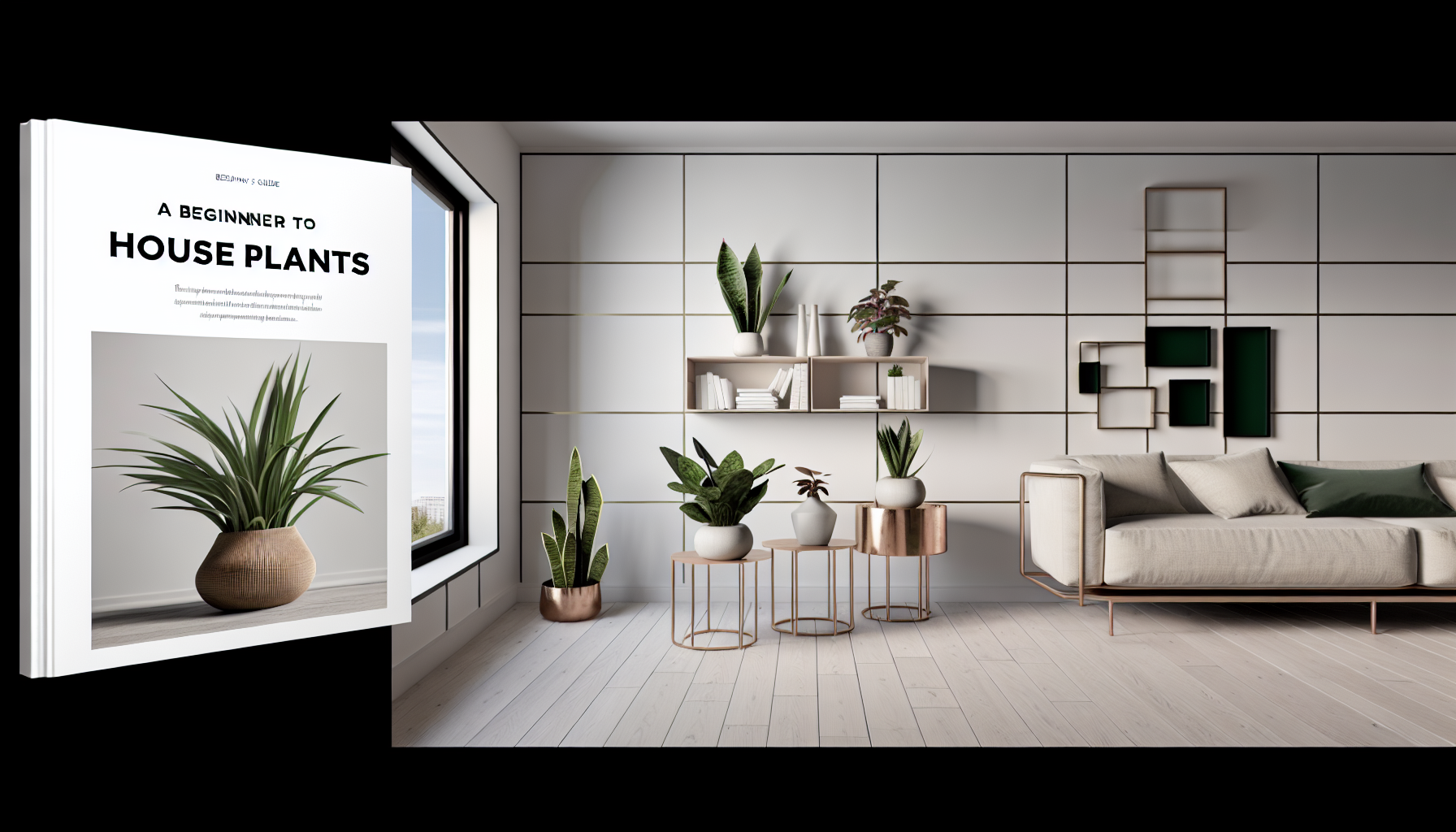
Modern interiors are defined not just by furniture and finishes, but by living elements that infuse light, texture, and a sense of calm. Houseplants offer a practical path to elevate style while boosting air quality and well-being. For beginners, however, choosing the right greenery and learning simple care routines can feel daunting. This beginner’s guide explores houseplants tailored to modern interiors, focusing on accessibility, maintenance, and design impact. We will cover how to pick plants that thrive in typical home conditions, how to place them to complement architecture, and how to create a low-effort care plan that keeps both plants and spaces looking fresh. By the end, you’ll feel confident selecting, styling, and caring for a small, stylish indoor garden.

Choosing the Right Houseplants for Modern Interiors
Begin with plants that thrive under typical indoor conditions and align with a clean, modern aesthetic. For beginners, start with forgiving species that tolerate neglect and variable light. The Snake Plant (Sansevieria), ZZ Plant (Zamioculcas zamiifolia), and Pothos (Epipremnum aureum) are excellent anchors: they require minimal watering, tolerate low light, and offer architectural leaf shapes that complement minimalist spaces. When selecting, consider size, light, and growth habit; compact specimens fit shelves and corners, while trailing varieties soften a sharp architectural line. Pair them with neutral planters in materials like matte ceramic, concrete, or black metal to preserve the streamlined look. Remember to include drainage and room for growth, and you’ll build a versatile foundation for a modern indoor garden.
Care Basics for Beginners: Light, Water, Soil, and Potting
Understanding your space is the first care step. Classify rooms by light: bright indirect, medium, or low. Choose plants that match; for example, snake plants do well in low to medium light, while pothos tolerate bright indirect light. Watering should be thorough but infrequent: allow the top inch or two of soil to dry before a deep soak, and ensure pots have drainage holes. Use a well-draining potting mix; avoid dense soils that suffocate roots. Repot only when roots fill the pot to give plants room to breathe. Use breathable containers like terracotta or pots with drainage; group plants to create micro-humid environments if needed. Dust leaves occasionally to maintain photosynthesis and appearance.
Designing with Plants: Layout, Color, and Texture in Modern Interiors
Plants are design elements. Create a focal point with a statement plant on a pedestal or shelf, then layer smaller plants around it. Use height variation to create depth: tall specimens in back or on stands, trailing plants at the edge, and compact ones in front. Choose pots that echo your room’s materials—raw concrete, clay, glass, or black metal—to keep a cohesive palette. Mix textures: glossy leaves with matte containers, soft ferns with architectural philodendrons. Consider symmetry for calm spaces or asymmetry for contemporary energy. For small spaces, wall-mounted planters and rail ledges multiply greenery without stealing square footage. A deliberate arrangement turns a plant collection into a living gallery.
Maintenance and Troubleshooting: Common Issues and Quick Fixes
Common beginner hurdles include overwatering, underwatering, and pests. Signs of overwatering are yellowing leaves, soft stems, and a musty smell; let soil dry and improve drainage. Underwatering shows as crispy tips and drooping fronds, so water thoroughly and then adjust frequency. Pests like spider mites or mealybugs respond to a light wipe with a damp cloth and a gentle insecticidal soap if needed. Rotate plants to ensure even light, dust leaves to improve photosynthesis, and refresh soil every 1-2 years. If a plant outgrows its pot, move up a size. Finally, trust your space: not every plant will thrive in every corner, but a steady rhythm of care will steadily grow your curated, modern plant environment.
Conclusion
Houseplants are not only decorative accents but practical allies for modern interiors. With careful selection, beginners can build a cohesive plant set that complements neutral palettes, clean lines, and minimal clutter. Start with two or three forgiving varieties, place them in spots that align with natural light, and establish a simple routine for watering, feeding, and dusting. The most impactful gains come from thoughtful placement, container choices, and scalable care as you gain confidence. Over time, your plants will reflect your routine, adapt to your space, and quietly elevate mood and air quality. Embrace the process, learn from small missteps, and let your growing indoor garden become a living, evolving part of your home. As your confidence grows, expand gradually and let your plants reflect your space.
Leave a Reply