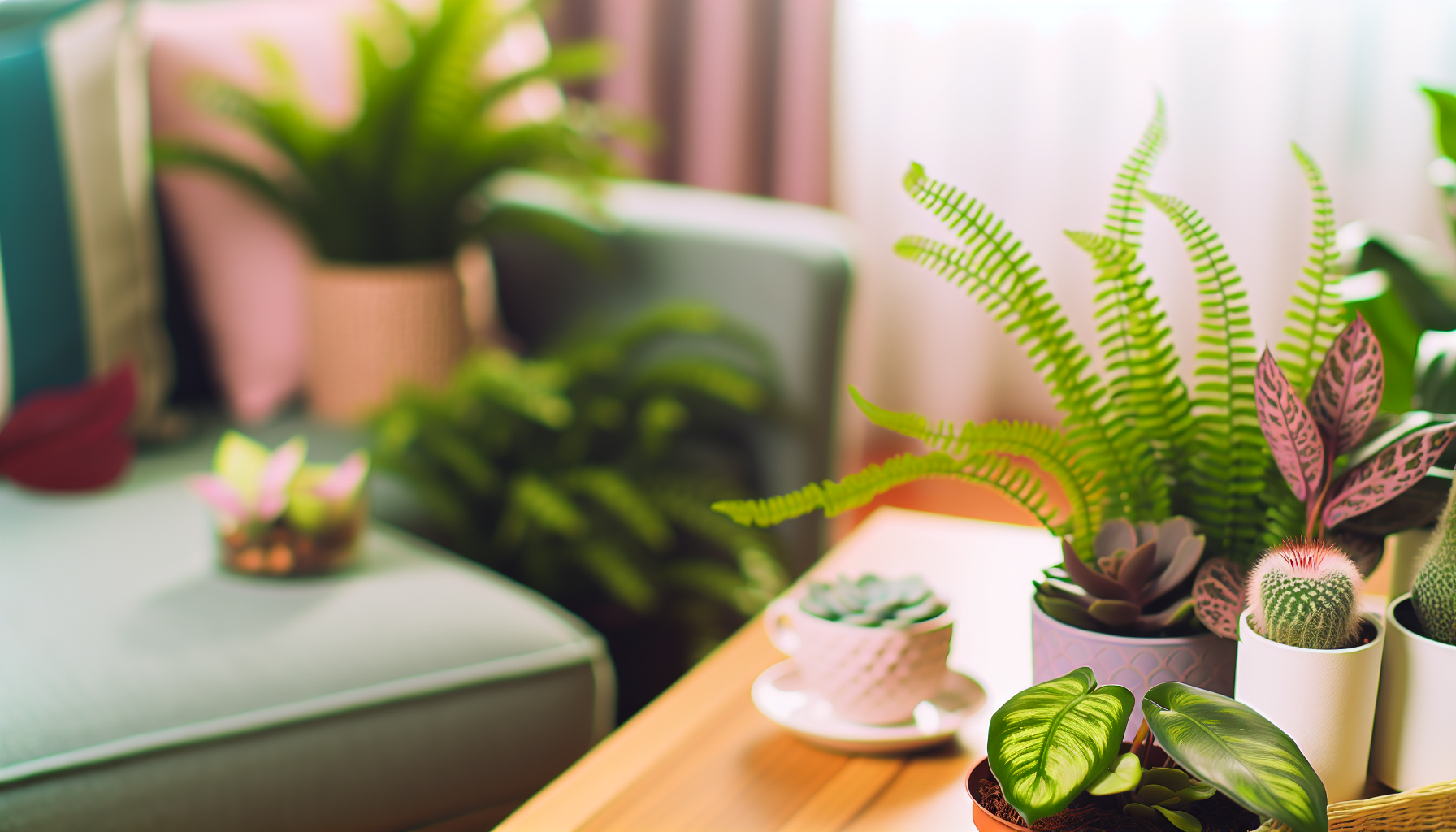
Houseplants can transform a living space and mood, but keeping them alive without stress can feel daunting for beginners. This stress-free care guide is designed for new plant parents who want lush greenery without complicated routines. We’ll cover easy starter plants, simple care habits, and how to optimize your home environment so plants thrive with minimal effort. You’ll learn how to choose forgiving species, build a repeatable watering and light routine, and spot problems before they escalate. By focusing on a few core principles—drainage, consistent light, and gentle maintenance—you can enjoy healthy plants and steady confidence. Whether you live in a sunny duplex or a shady apartment, this guide helps you start small and grow without overwhelm.
Choosing Stress-Free Starter Plants
For beginners, choose varieties known for resilience and forgiving care. These plants tolerate varying light levels and occasional neglect, making it easier to build confidence without drama. Start with one or two and observe how they respond to your home’s conditions. A well-chosen starter set reduces overwatering mistakes and stress, because you’ll see tangible progress quickly. When selecting, prioritize species with strong root systems, drought tolerance, and minimal maintenance needs.
- Snake Plant (Sansevieria) — forgiving, tolerates low light, and only needs occasional watering.
- ZZ Plant (Zamioculcas) — drought-tolerant and adaptable to low to bright indirect light.
- Pothos (Epipremnum aureum) — fast-growing, versatile, thrives in a range of indoor environments.
- Spider Plant (Chlorophytum comosum) — resilient, easy to propagate, likes bright indirect light.
- Jade Plant (Crassula ovata) — succulent that rewards bright light and careful watering.
Simple Care Routines That Build Confidence
Consistency beats complexity. Establish a basic routine you can repeat week after week, and your plants will reward your effort with healthier growth and fewer problems. Focus on three core activities: watering, soil and pot drainage, and leaf upkeep. Avoid rigid schedules; instead, use soil moisture, not a calendar, as your guide. Clean leaves to improve photosynthesis and reduce dust buildup, which can hinder growth and attract pests. Apply light fertilization during active growing periods, but not every week. A simple chart or checklist posted near your plants can anchor these habits and cut decision fatigue.
- Water only when the top 2-3 cm of soil feel dry to the touch; empty saucers after watering.
- Use a well-draining potting mix and pots with drainage holes to prevent root rot.
- Wipe leaves with a damp cloth occasionally to remove dust.
- Fertilize lightly in spring and summer with a balanced houseplant fertilizer.
- Monitor for signs of stress (yellowing, brown tips) and adjust quickly.

Environment Setup: Light, Water, and Humidity Basics
Light is the currency of growth for houseplants. Most beginner-friendly species prefer bright indirect light, such as near an east- or north-facing window, while a few tolerate lower light. If your space is dim, group plants together to create a microclimate with slightly higher humidity and warmth. Watering should be guided by moisture, not a calendar; in general, allow the soil to dry 1-2 inches before the next drink and ensure excess water can drain away. Use a pot with drainage holes and a well-draining mix. Humidity helps tropical varieties; a simple tray of pebbles and water or occasional misting can help, but avoid misting before strong sunlight to prevent leaf scorch.
- Indirect light is safer than direct sun for beginners.
- Avoid placing plants near heating vents or cold drafts.
- Choose pots with drainage and a clean saucer to manage watering.
Troubleshooting and Long-Term Care for Beginner Peace of Mind
Even with a careful plan, issues can arise. Yellowing leaves often indicate overwatering or under-light, while brown tips point to dry air or excess fertilizer. Pests like spider mites or scale are less common but require prompt action. Start with isolation of new plants, wipe leaves, and rinse the roots if possible. Adjust your routine gradually, not abruptly. Propagate healthy cuttings to salvage a plant that’s struggling, and consider repotting if roots are crowded. Finally, scale your collection slowly and celebrate small wins. A simple, repeatable system reduces stress and makes houseplants an ongoing source of calm and beauty in your home.
Conclusion
By choosing forgiving plants, establishing a simple care routine, and optimizing your space for light, water, and humidity, you set yourself up for stress-free indoor gardening. This guide showed practical plant selections, actionable maintenance steps, and clear strategies for troubleshooting without panic. The core message is consistency: a small, repeatable routine beats complicated schedules and dramatic swings in plant health. Start with one or two hardy species, observe how they respond to your environment, and adjust gradually. Keep pots with drainage, use a simple soil mix, and clean leaves to maximize photosynthesis. As you gain confidence, you can grow your collection with mindful additions, turning houseplants into a reliable source of calm, color, and life in your home.
Leave a Reply