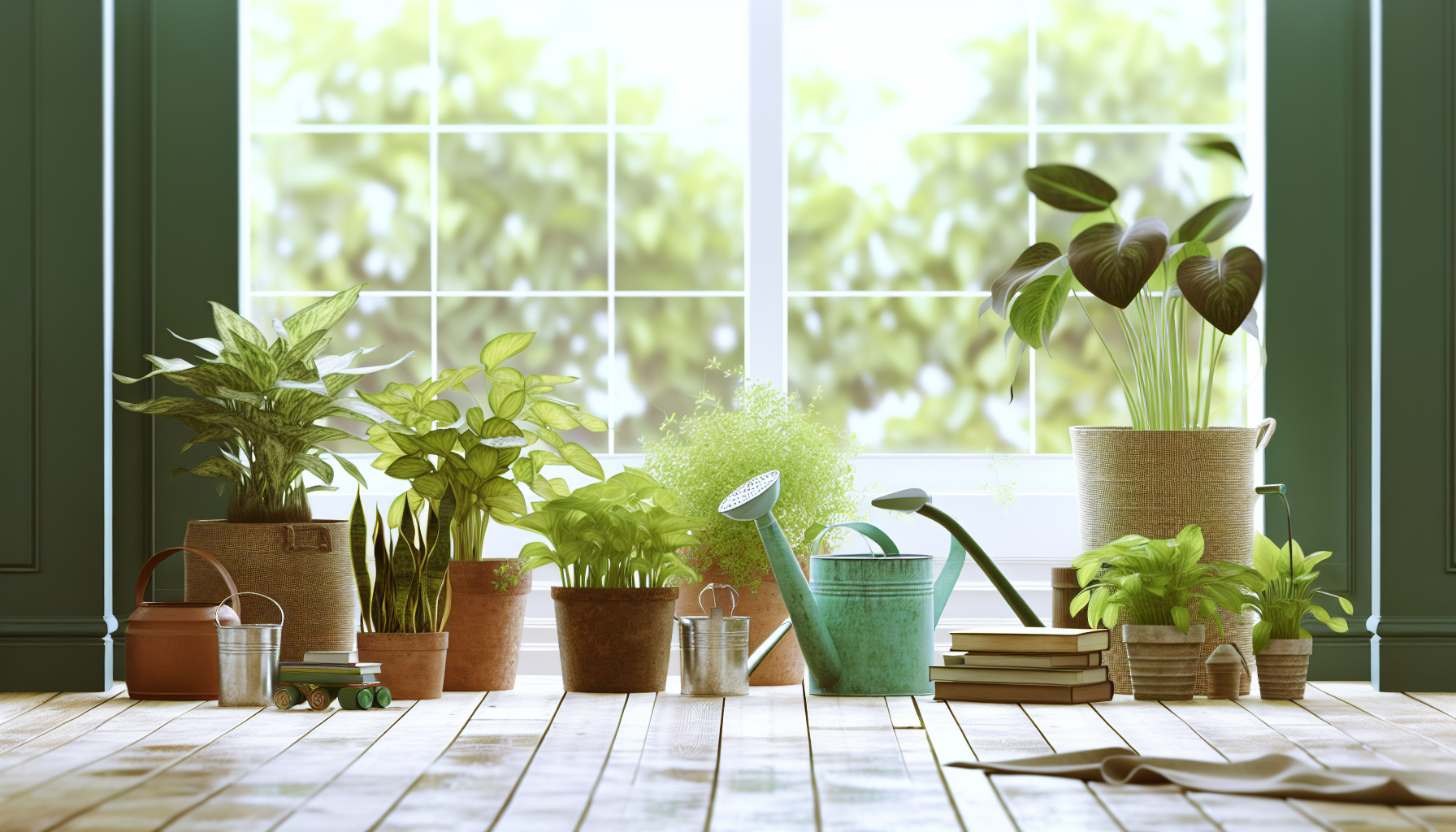
Houseplants offer a practical, affordable entry point for eco-conscious living. For beginners, they combine simplicity with meaningful environmental impact: improving indoor air, reducing energy waste through thoughtful microclimates, and encouraging mindful consumption of resources. This guide explores how to start with plant choices that fit a low-waste lifestyle, how to care for them without overusing water or soil, and how to arrange a small green space that supports well-being and sustainability. You’ll learn which plants tolerate beginners’ mistakes, which containers and soils minimize waste, and how to design a layout that makes the most of natural light. By the end, you’ll have a clear, doable plan to grow greener at home.

Eco-Conscious Living at Home: Why Houseplants Matter for Beginners
For many newcomers, houseplants are more than decor; they are a practical bridge to sustainable habits. They invite you to observe ecosystems on a small scale, which translates into careful resource use, like measured water and durable containers. Plants also contribute to a healthier indoor environment by moderating humidity and improving air quality in daily life. This chapter lays the groundwork: how choosing the right plants sets you up for success, how minimal waste practices become part of daily care, and how a simple green setup can become a meaningful step toward a more eco-friendly home.
Choosing Beginner-Friendly, Low-Impact Plants
Start with forgiving species that tolerate occasional neglect and low light. Look for plants that are drought-tolerant, pest-resistant, and easy to propagate. Examples commonly favored by beginners include Spider Plant, Snake Plant (Sansevieria), Pothos, ZZ Plant, and Peace Lily. These varieties typically require less frequent watering, fewer repottings, and can thrive in a range of indoor conditions. To minimize waste, choose peat-free or recycled-content potting mixes and durable pots you can reuse. A small starter lineup helps you learn care routines without overwhelming your space or budget.
- Snake Plant (Sansevieria)
- Spider Plant (Chlorophytum comosum)
- Pothos (Epipremnum aureum)
- ZZ Plant (Zamioculcas zamiifolia)
- Peace Lily (Spathiphyllum)
Resource-Smart Care: Water, Soil, Light, and Maintenance
Adopt watering practices that reduce waste, such as checking soil moisture before watering and using bottom watering methods to prevent surface runoff. Choose soil mixes that are peat-free or include recycled content, and ensure pots have drainage to prevent root rot. Match light needs to your space by pairing plants with windows that provide adequate bright, indirect light or by using reflective surfaces to maximize available daylight. Fertilize sparingly with slow-release options or compost-based teas, and avoid disposable single-use tools—revisit old jars and containers for propagation and storage. These habits minimize environmental impact while keeping plants healthy and vibrant.
Creating a Living, Low-Waste Indoor Ecosystem
Think of your indoor space as a small ecosystem. Place plants to optimize airflow, humidity, and microclimates, which can reduce the need for supplemental lighting and climate control. Group plants with similar care needs to simplify maintenance and minimize waste. Emphasize upcycling: repurpose jars, tins, and fabric bags as pots or seed starters, and propagate plant offshoots to expand your collection without buying new specimens. When pests appear, opt for natural controls and prevention rather than chemical shortcuts. A well-planned layout not only looks beautiful but also reinforces sustainable habits and long-term plant health.
Maintenance, Propagation, and Long-Term Sustainability
As you grow your collection, incorporate simple propagation routines to refresh and expand your greenery with minimal waste. Use cuttings to fill vacancies or create new plants, and recycle old potting mixes by composting organic material where possible. Maintain labeling and records of care routines to avoid overwatering, underfeeding, or rotating plants unnecessarily. By integrating these practices, your home becomes a thriving, low-impact ecosystem that supports both personal well-being and ecological responsibility.
Conclusion
In this guide, you’ve learned how to begin an eco-conscious plant journey with beginners’ picks, resource-smart care, and thoughtful design. Choosing forgiving species reduces waste and stress while delivering real benefits like improved atmosphere and mood. Practical routines—smart watering, peat-free soils, durable containers, and efficient lighting—keep your footprint small without sacrificing growth. Thoughtful placement and upcycling turn your space into a living system that thrives on reuse and natural processes. If you start small, stay curious, and track what works, your home will evolve into a sustainable, inviting oasis that reflects your values and supports a greener lifestyle.
Leave a Reply