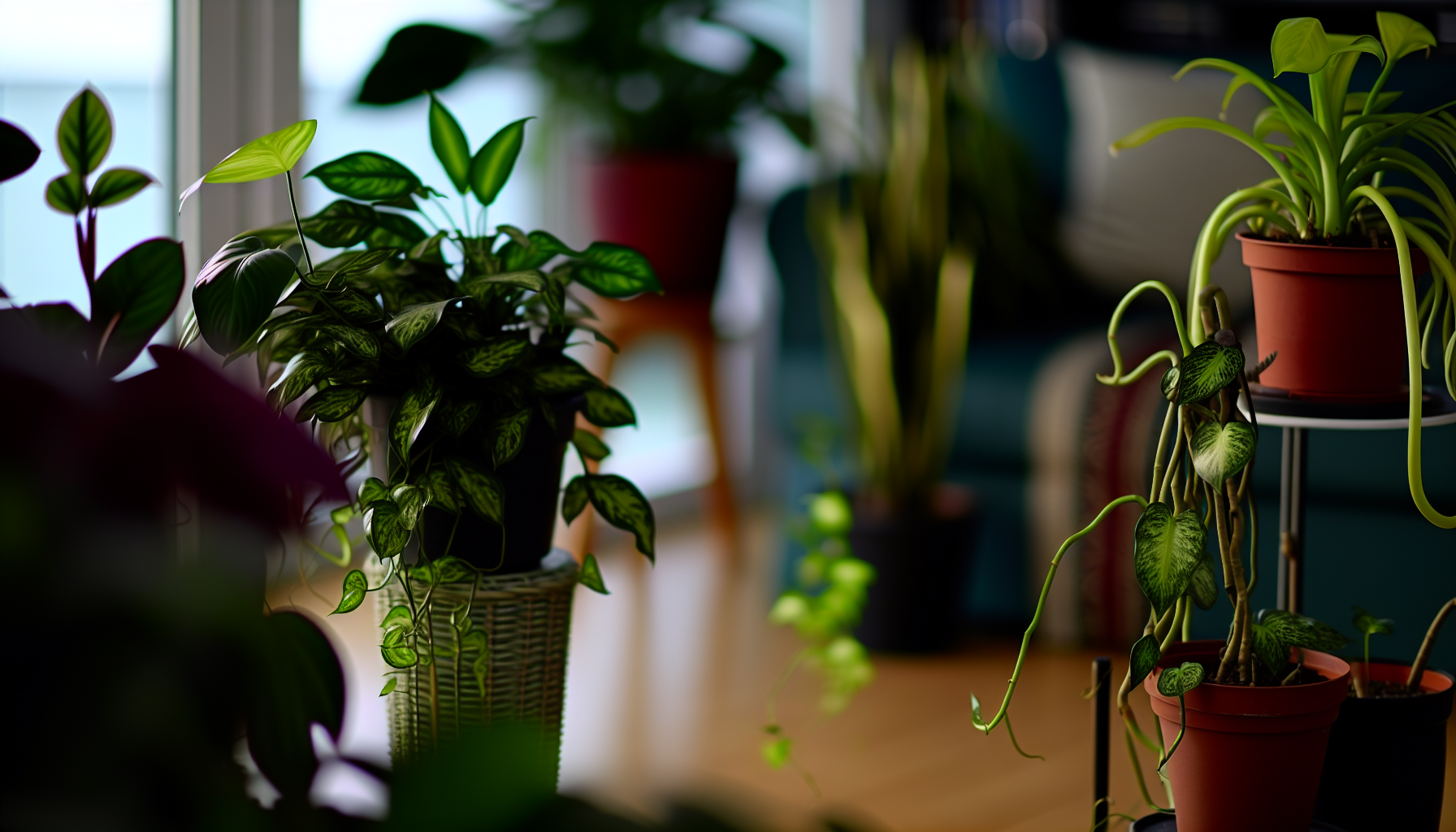
What Low Light Really Means in Your Home
Low light is not darkness; it’s a limited, indirect, or fluctuating light level that rarely reaches bright sunlight. In homes, this often occurs in north-facing rooms or spaces shaded by furniture, curtains, or walls. For plants, the difference between a bright windowsill and a dim corner can mean the gap between steady growth and leaf drop. To gauge your space, observe how many hours of gentle illumination you receive at different times of day and test with a forgiving plant if possible. The goal is to distinguish true low-light conditions from places that only feel dim because of glare or seasonal weather. With this understanding, you can choose varieties that tolerate shade and still thrive.
Best Beginner-Friendly Low-Light Plants
Choosing the right species is the first step for success in dim rooms. The following plants are known for resilience in low light and minimal care:
- Snake Plant (Sansevieria trifasciata) — tolerates neglect, stores water in leaves; water sparingly.
- ZZ Plant (Zamioculcas zamiifolia) — thrives in shade and urban humidity; drought-tolerant.
- Pothos (Epipremnum aureum) — trails beautifully; handles variable light but prefers consistent watering.
- Peace Lily (Spathiphyllum) — appreciates low light and occasional bloom, needs regular watering without soggy soil.
- Cast Iron Plant (Aspidistra elatior) — one of the toughest; tolerant of neglect and low humidity.
Care Essentials for Low Light
In low-light conditions, the most important care aspects shift from intense feeding to careful resource management. Watering should be less frequent but consistent—allow the top inch of soil to dry before watering again, and ensure pots have drainage to prevent root rot. Use a well-draining potting mix and a container with drainage holes. Feeds can be sparse: a light fertilizer every 4–6 weeks during the growing season is usually enough. Rotate plants occasionally so each side receives light, and keep them away from cold drafts or direct afternoon sun that can scorch leaves. Monitoring leaf color and growth tells you when adjustments are needed.
Maximizing Light and Growth in Low-Light Spaces
Even in dim rooms, you can optimize the available light with layout, reflectivity, and gentle supplementation. Place plants near the brightest window or door, but avoid direct sun. Use light-colored walls or reflective spacers to bounce light toward foliage. Consider a small, energy-efficient grow light mounted above or beside plants to extend daily light, especially in winter. Group plants to create a microclimate that retains humidity and reduces stress. Ensure even watering and avoid crowded pots. When upgrading lighting, choose full-spectrum LEDs rated for plants and aim for 8–12 hours of exposure per day, adjusting by plant type and season.

Conclusion
Throughout this guide you’ve learned to read your space, choose hearty companions, and care for them with a light touch. Low light doesn’t have to mean stunted growth or yellowing leaves; it means adapting your expectations and routines. Start with one or two forgiving plants, observe how they respond through different seasons, and adjust watering, soil, and position accordingly. If you add a small, affordable light option, select a model designed for greens and place it to supplement only when necessary. With consistent care and mindful placement, your dim corners can become thriving green spots that brighten rooms and lift your mood. Patience and observation will teach you which routines work best in winter darkness and summer sun.
Leave a Reply