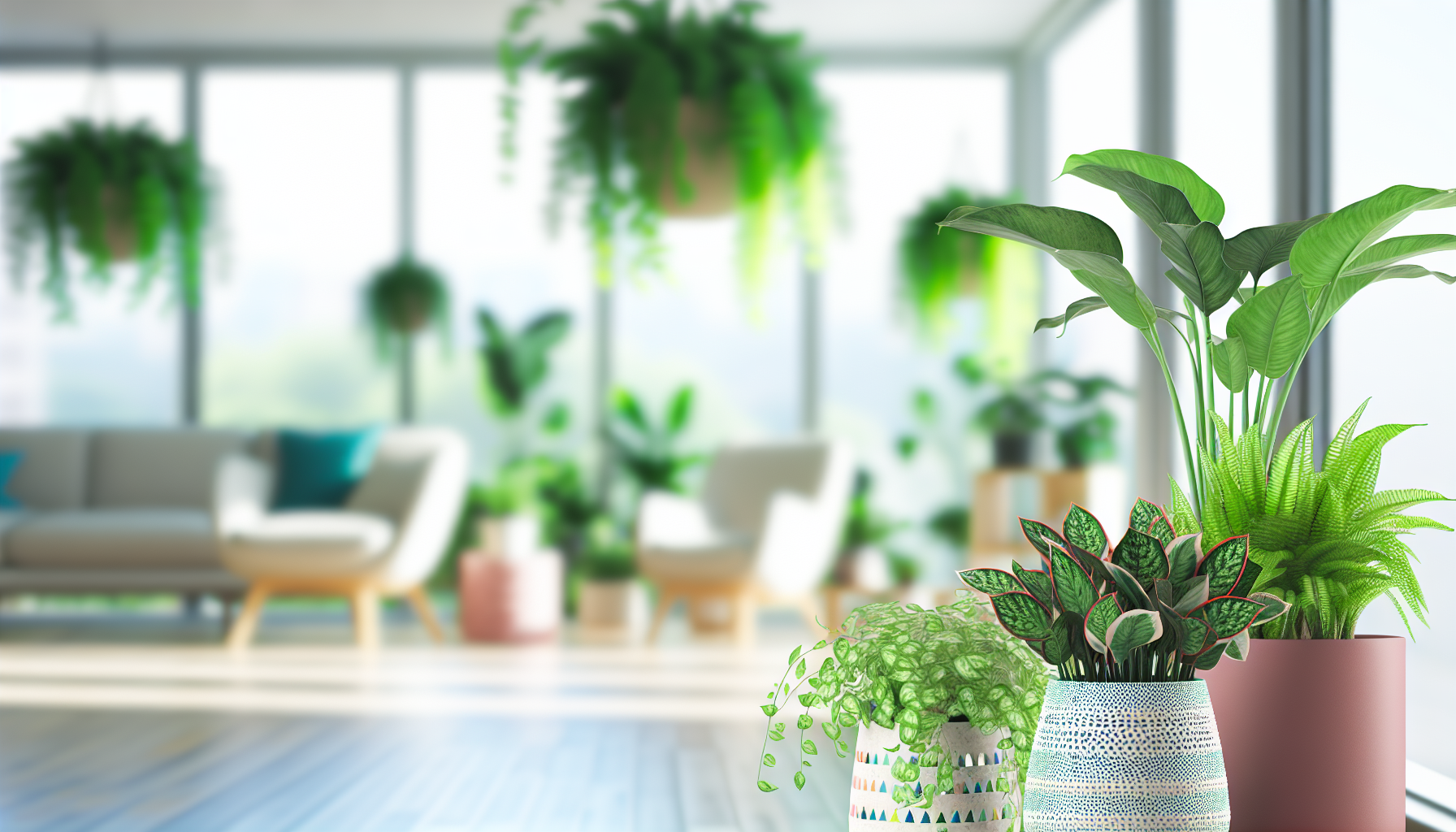
Creative spaces thrive on color, texture, and the subtle energy that plants introduce. Houseplants can transform a blank desk, studio corner, or writing nook into a living muse, offering not only beauty but improved air quality and focus. This beginners guide explores how to choose the right plants for creative environments, how to arrange them for impact, and how to care for them without turning your space into a plant clinic. We’ll cover beginner-friendly species that tolerate variable light, simple watering routines, and design strategies that balance form with function. By the end, you’ll have a clear blueprint to start small, build confidence, and coax daily inspiration from living greenery. Whether you work in a compact apartment or a roomy studio, the approach stays simple and scalable.
Choosing for Creative Spaces
When selecting plants for a creative workspace, prioritize light sensitivity, growth habit, and how the plant contributes to your mood and workflow. Desk-friendly specimens should be compact or trailing enough to direct attention without crowding your keyboard or artwork. Consider streams of natural light across the day; some spaces have bright morning sun while others stay in shade. Start with a few resilient varieties that tolerate fluctuations and minimal fuss. Group plants with similar needs to simplify care, and use planters that echo your studio aesthetic to reinforce your design vision.
- Snake Plant (Sansevieria): tolerates low light and infrequent watering; sculptural, upright leaves that add architectural energy.
- Pothos (Epipremnum aureum): fast-growing vine; forgiving of light variations and watering lapses; great for shelves and corners.
- ZZ Plant (Zamioculcas zamiifolia): thrives in low to medium light and dry soil; compact, glossy leaves that suit modern spaces.
- Spider Plant (Chlorophytum comosum): adaptable with baby plant offsets; cheerful arches that brighten mixed-media areas.
- Philodendron Heartleaf: resilient, climbing or trailing; fills vertical space while staying manageable on a desk or stand.
Setting Up for Creative Growth
In this chapter you’ll learn how to configure light, water, and placement to support creativity rather than maintenance overwhelm. Start by mapping the light in your space at different times of day and align plant choices to those zones. Build a simple watering routine that fits your cadence—daily schedules or weekly checks—to avoid overwatering. Use pots with drainage and a moisture-safe saucer to protect furniture. Group plants with similar needs to reduce confusion, and label pots so you don’t forget watering or light requirements. Finally, establish a rotating plan so every few weeks you refresh position and brightness to keep inspiration fresh.
- Watering rule of thumb: water when the top inch of soil feels dry; ensure drainage and never leave roots sitting in water.
- Soil and potting: use a well-draining mix (cactus or all-purpose with perlite) and choose a pot with drainage holes.
- Humidity and airflow: keep plants away from drafts but near ambient airflow to prevent fungal issues.
- Lighting strategies: place bright-loving plants in sunny spots and tolerant ones in indirect light; use sheer curtains to diffuse harsh sun if needed.
- Maintenance cadence: quick checks weekly for leaves, pests, and soil moisture; deeper care monthly or seasonally.

Designing with Plant Life
Plants should enhance the creative narrative of a space, not compete with it. Use a mix of heights, textures, and leaf shapes to create visual rhythm. Consider color harmony: variegated greens, burgundy stems, or silver tones can echo or contrast with artwork. Planters and pots are part of the composition; choose shapes and materials that complement your furniture and wall treatments. Use vertical space—wall shelves, hanging planters, or modular racks—to keep desks clear and invite the eye upward. Create focal points and arbors with trailing species to guide sightlines toward art or a drafting table. By deliberately arranging plant clusters, you give your creativity a living stage without clutter.
- Height variety: place tall plants like a rubber plant or monstera behind lower pieces to create depth.
- Texture play: combine glossy leaves with velvety or ribbed textures for tactile interest.
- Color accents: use pots or plant hues that echo or contrast with your predominant color scheme.
- Groupings: cluster 3-5 plants for a lush vignette; vary spacing to avoid crowding and ensure airflow.
- Rotation: periodically rotate plants to ensure even growth and prevent leaning toward light.
Care, Propagation, and Longevity
For beginners, longevity comes from reliable routines and gentle propagation rather than perfection. Establish a basic care cadence: weekly leaf wipe, monthly soil check, and seasonal repotting when roots crowd the pot. Fertilize lightly during the growing season with a balanced, water-soluble fertilizer. Learn to recognize stress signals: yellow leaves often point to watering or light issues, while brown tips can indicate low humidity or fertilizer buildup. Propagation is your growth hack—take cuttings from healthy stems, let the cuts callous for a day or two, then root in water or moist potting mix until new roots form. With patience and consistent care, your creative space becomes a living ecosystem that fuels ongoing creativity.
- Care cadence: tailor watering to plant needs and season; keep a simple schedule or label reminders.
- Repot timing: choose a pot only slightly larger than the root ball; gently loosen roots during transplant.
- Fertilization: apply sparingly, once a month in spring and summer; skip in winter.
- Pest management: inspect leaves for webs or scale; wipe with a damp cloth or use gentle horticultural soap if needed.
- Propagation steps: take cuttings, root in water or soil, and transplant when rooted; share with friends to expand your green network.
Conclusion
By choosing beginner-friendly plants tuned to your space, setting up simple care routines, designing with intention, and maintaining a flexible propagation mindset, you can transform any creative space into a thriving green studio. This guide has shown how to match light and space with resilient species, create low-effort but high-impact care plans, and arrange plant clusters that echo your artistic goals rather than complicate your workflow. Start with one or two favorites, set a predictable watering schedule, and gradually introduce new textures or vertical elements as your confidence grows. Remember that plants are dynamic companions: as they grow, so can your creativity—and your workspace productivity. Treat them as members of your creative process and you’ll sustain energy and focus over time.
Leave a Reply