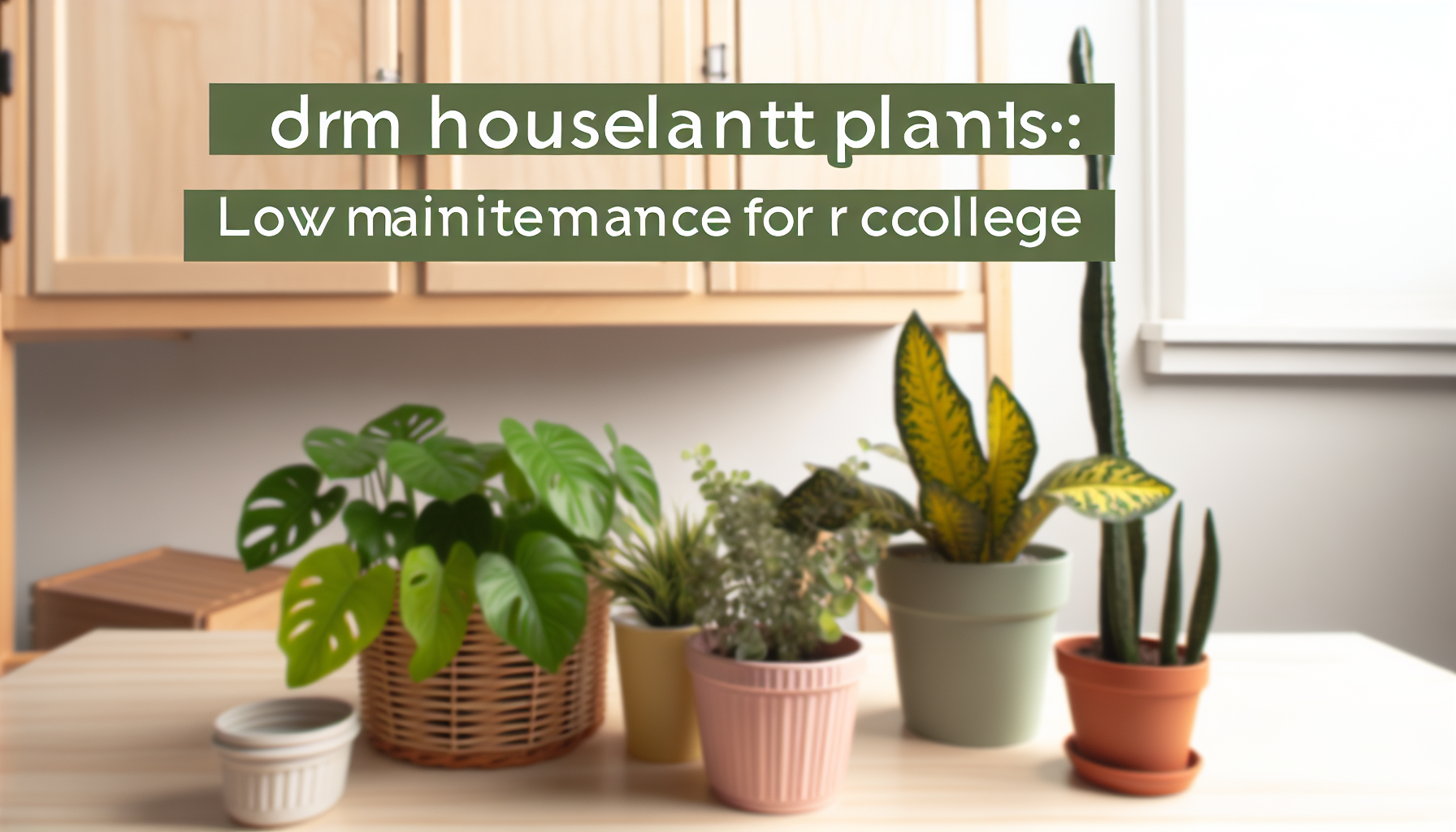
The college years are busy, but a few resilient houseplants can transform a small dorm room into a calm, productive space. This beginners guide to houseplants for college students helps you pick plants that tolerate low light, irregular watering, and limited shelf space, while staying budget-friendly and low maintenance. We’ll walk through how to choose dorm-friendly varieties, set up a compact growing area, and build simple routines that fit a student schedule. You’ll learn practical tips on soil, containers, and lightweight care that reduce mess and avoid overwatering disasters. By the end, you’ll know which plants fit your room layout, how to care for them with minimal effort, and where to find reliable resources when you need help.

Choosing the right houseplants for college life
In dorms, you’ll juggle limited space, varying light, and a tight budget. Start with plants that forgive mistakes and doesn’t require weekly trips to the store. Look for low-light candidates that thrive in small pots and prefer infrequent watering. Consider how your neighbors may react to plant soil and potential spills, and check dorm rules about soil and containers. The best beginner choices include snake plants, pothos, spider plants, ZZ plants, and some compact succulents. These plants tolerate a range of conditions, are easy to propagate, and stay visually appealing with minimal fuss. Pair each plant with a simple pot that has drainage to prevent root rot.
- Snake plant (Sansevieria): very forgiving, survives neglect, improves air quality.
- Pothos (Epipremnum aureum): versatile, climbs or trails, thrives in indirect light.
- Spider plant (Chlorophytum comosum): fast-growing, easy to propagate, forgiving of watering gaps.
- ZZ plant (Zamioculcas zamiifolia): handles low light and dry soil, durable.
- Aloe vera or small jade plant: requires brighter spots but tight spaces work well.
Simple care routines and problem-solving for beginners
Begin with a simple weekly check-in that takes five minutes: inspect leaf color, soil moisture, and any signs of pests. Use a moisture meter or a finger test to decide when to water; overwatering is the most common dorm problem. Let the top inch of soil dry before watering, and ensure your pot has drainage. Use a lightweight potting mix and refresh the top layer occasionally. Watch for drooping leaves, yellowing, or brown tips as clues to adjust watering, light, or humidity. Common pests like spider mites or scale can appear in shared spaces; isolate affected plants and treat with gentle solutions. Keep a small emergency kit: spray bottle, spare potting mix, and a cheap moisture meter.
- Watering routine: most dorm plants need less frequent watering than you expect; learn each plant’s rhythm.
- Soil and pots: well-draining mix and drainage holes prevent root rot.
- Pest and stress signals: drooping, yellowing, brown tips indicate issues to address.
Creating a dorm-friendly growing space: light, soil, containers and schedules
Light is often the limiting factor in dorm rooms. Place sun-loving plants near bright windows; for darker corners, consider reflective surfaces and a small LED grow light to supplement. Choose containers with drainage and lightweight materials for easy relocation. Wall-mounted planters or hanging baskets maximize vertical space, while shelves and desks provide micro-stages for your plants. Use a simple weekly rotation to keep growth even and to prevent plants from leaning toward a single light source. Pair a small watering schedule with reminders on your phone so you water when needed rather than on a fixed day. This approach keeps care predictable without becoming overwhelming.
Budget-friendly upgrades and long-term plant care for semester-to-semester success
Stay budget-conscious by starting with a few versatile plants and propagating new cuttings to expand your collection without buying more. Share pots with roommates to split costs and water needs. Reuse containers from kitchen scraps or thrift stores, ensuring proper drainage. Maintain a simple care log—note plant name, last water, and any issues—so you can track patterns across semesters. Look for local plant swaps or campus groups to exchange cuttings and tips. Finally, keep dorm policies in mind, store soil and fertilizer safely, and plan for seasonal changes (e.g., more irrigation in dry fall air). With consistency, your dorm garden becomes a sustainable, mood-boosting feature that lasts beyond finals.
Conclusion
As a student, you now have a practical blueprint for building a small, thriving indoor garden without overwhelming your schedule or budget. You’ve learned how to pick dorm-friendly plants, set up compact growing spaces, develop simple care routines, and stretch your plant budget through propagation and sharing. The core idea is to start small, observe how your room’s light and heat affect growth, and adapt your routines accordingly. By keeping a simple record and committing to a short weekly check-in, you’ll prevent neglect and build confidence in plant care. A few well-chosen greens will reduce stress, improve air quality, and bring a touch of nature to your busy college life.
Leave a Reply