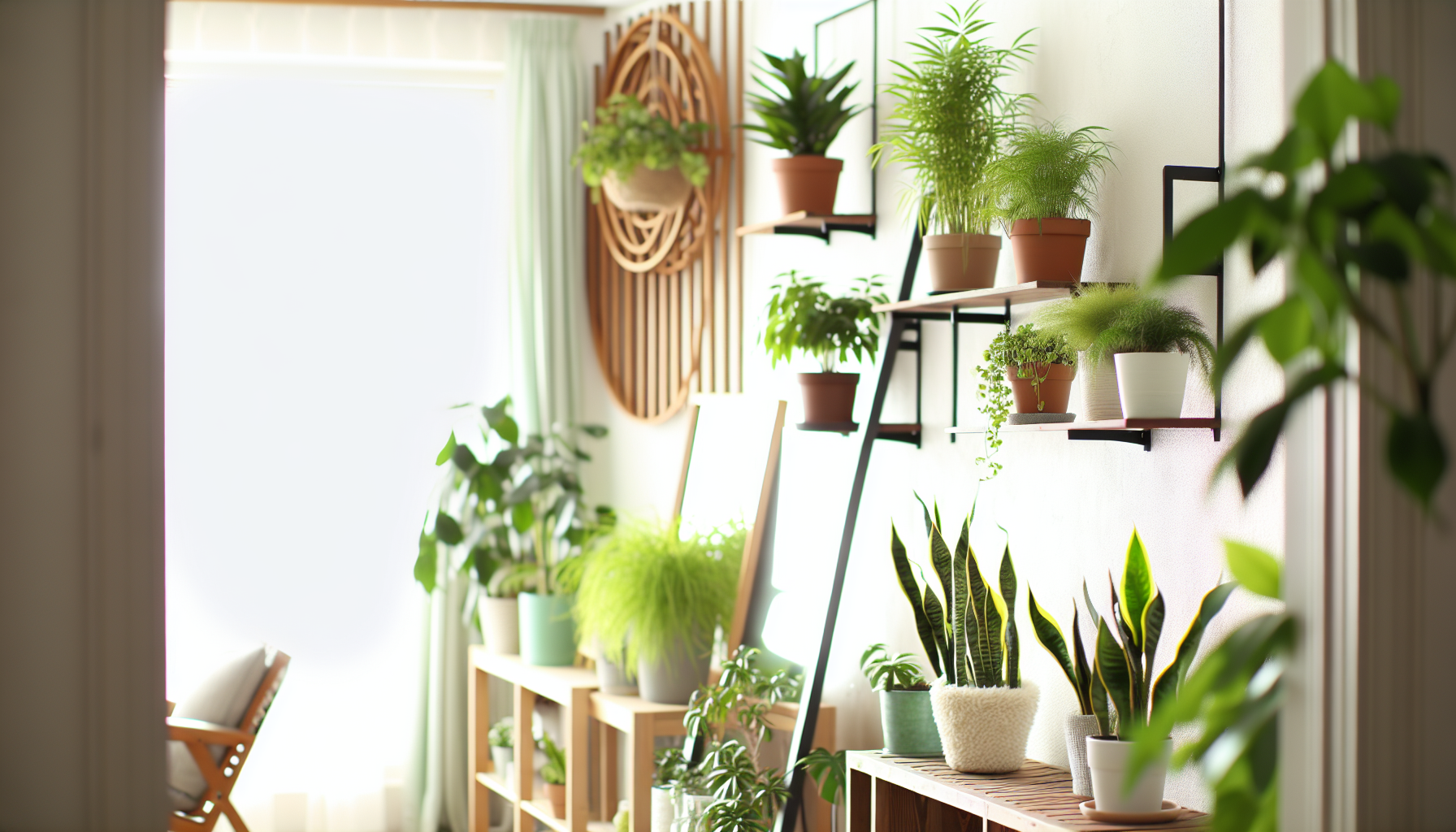
Living in a small apartment doesn’t have to mean sacrificing greenery. A well-chosen collection of houseplants can brighten tiny rooms, improve air quality, and boost mood, turning a compact space into something calmer and more inviting. The challenge is selecting plants that fit both the available light and the footprint you can spare on shelves, countertops, and corners. In tight spaces you want compact varieties that stay neat, tolerate irregular watering, and don’t overwhelm vertical space. Start by mapping your microclimates—bright windows, shaded corners, and places with occasional drafts. With a little planning, a small group of healthy plants can transform your apartment from bare to vibrant without creating clutter. This guide shows you how to pick, place, and care for them.
Living with houseplants in tight spaces: benefits and constraints
In small apartments, plants are not just decor—they are practical companions. They add color, reduce stress, and can even subtly improve air quality. The key is choosing varieties that stay compact, tolerate variable light, and require minimal fuss. Space is your most valuable resource, so prioritize vertical growth, low-profile planters, and routes that keep walkways clear. Consider the room’s microclimates: a bright kitchen window may offer a longer growing season, while a dim living room will favor shade-tolerant species. By aligning plant selection with your habits and the apartment layout, you can enjoy greenery without clutter or constant upkeep.
Choosing beginner-friendly plants for low light and compact spaces
Start with a core of rugged, low-maintenance species that thrive in limited light and small pots. The pothos (Epipremnum) is a trail-friendly workhorse; it tolerates erratic watering and can grow around shelves. The snake plant (Sansevieria) stores water in its leaves, making it nearly drought-proof. The ZZ plant (Zamioculcas) handles neglect and tolerates dry air. Philodendron heartleaf, spider plant, and compact peace lilies offer greenery and versatility without demanding a precise schedule. For every plant, note light exposure, a realistic watering rhythm, and whether you need a lightweight pot or a self-watering option. If light is especially scarce, consider supplementing with affordable LED grow lights to extend the day for your leafy friends.

Smart space-saving layouts and setups for small apartments
Putting plants to work without crowding surfaces requires thoughtful placement and clever storage. Use vertical space with wall-mounted planters or slim corner shelves that hold several pots without occupying floor area. A tiered plant stand or a hanging basket system near a bright window can create a lush, layered look. Group plants with similar light needs on the same shelf to simplify care and watering. Consider self-watering pots for busy weeks, and choose compact varieties that stay within standard shelf depths. For bathrooms and kitchens, choose humidity-tolerant options and place them away from drafts. Finally, choose a cohesive color palette and pot sizes to maintain a tidy, intentional display that feels larger than it is.
Care routines, maintenance, and troubleshooting for beginners
Most beginner-friendly plant care boils down to consistency and observation. Establish a simple watering schedule based on the plant type and your home’s humidity, and avoid treating all plants the same. Use finger tests or a moisture meter to check soil before watering; overwatering is the most common problem. Remember to repot when roots fill the container and refresh the topsoil annually to prevent compaction. Fertilize lightly during the active growing season and skip in winter. Watch for signs of pests, such as sticky residue or webs, and quarantine new plants. With patience, even a modest plant collection will thrive and keep your small home feeling airy and alive.
Conclusion
Bringing houseplants into a small apartment is about smart choices, not sacrifice. Start with a small, well-protected core of hardy plants, arrange them to maximize light and flow, and employ space-saving solutions that keep counters clear. Develop a simple routine—check soil moisture, rotate plants for even growth, and adjust care with the seasons. As you grow more confident, expand your collection gradually, always prioritizing balance between greenery and living space. The result is a home that feels brighter, calmer, and more personal, with the easy beauty of nature integrated into everyday life. If you stay patient and deliberate, your tiny apartment can become a lush, sustainable oasis.
Leave a Reply