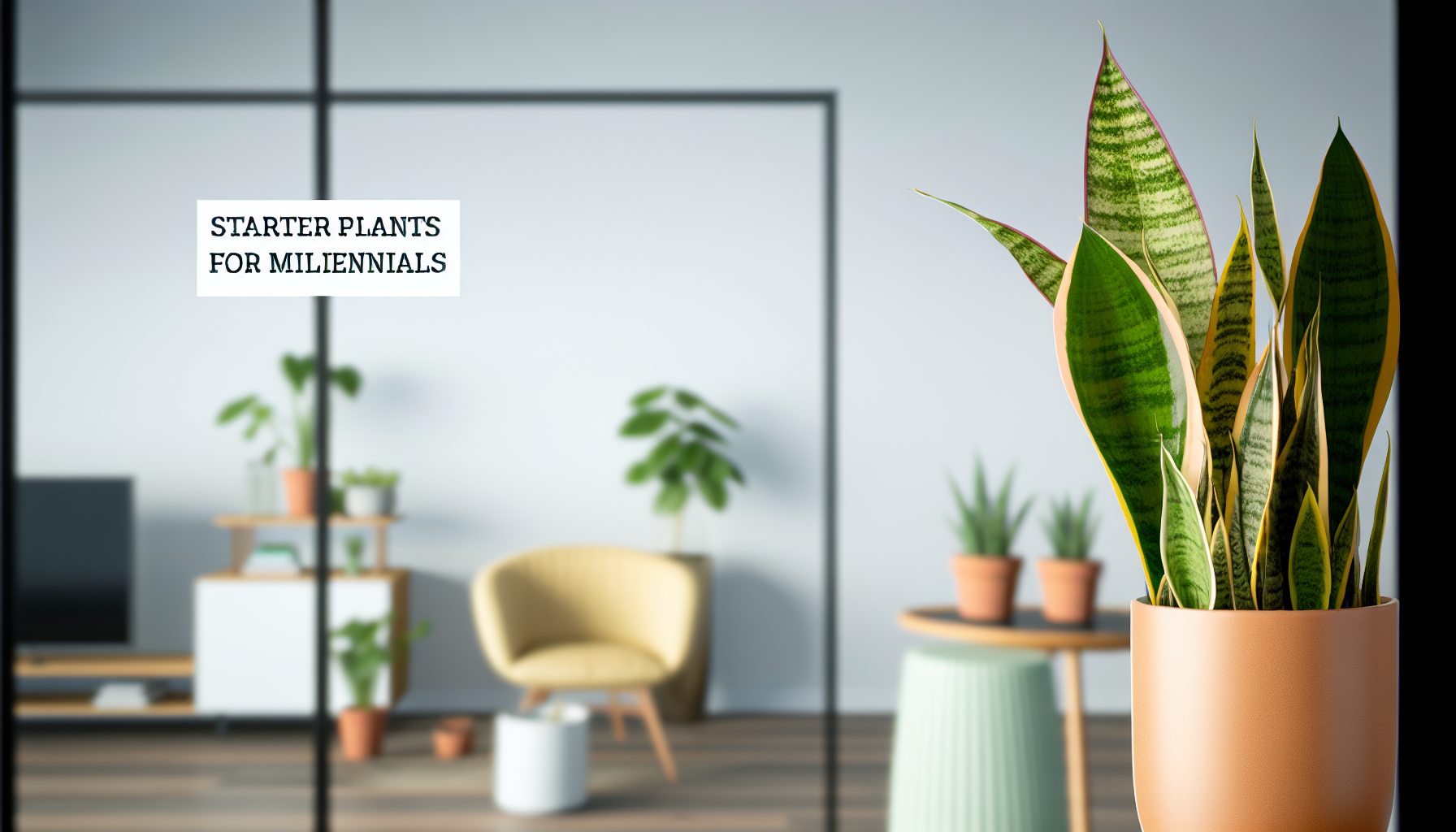
Choosing the Right Starter Plants for Millennials
Millennials often search for houseplants that fit compact urban spaces, fit a busy lifestyle, and deliver tangible mood-boosting benefits. This guide begins with the essentials: why beginner-friendly species matter, how to read basic care cues, and how to build a resilient collection without sinking time or money into high-maintenance setups. You’ll learn which plants tolerate low light, irregular watering, and small containers—perfect for rental apartments, shared living spaces, or a first independent home. The flow moves from selecting forgiving varieties to mastering simple routines, so you can start small, scale with confidence, and enjoy greenery that grows with your routine, not against it.
Chapter title
Chapter 1: Choosing the Right Starter Plants for Millennials
Begin with a handful of forgiving species that welcome beginners and still offer visual payoff. Think trail-friendly vines, architectural standouts, and foliage-rich specimens that forgive watering mistakes. The goal is consistency over intensity—plants that recover quickly when you miss a watering cycle or forget a dusting. Practical selection matters: pick varieties that thrive in typical apartment lighting, fit your space, and pair well with a modern interior. Below are five beginner-friendly options and why they work for you:
- Pothos (Epipremnum aureum): excels in low to bright indirect light, tolerates erratic watering, and quickly fills shelves with green trails.
- Snake Plant (Sansevieria): nearly indestructible, stores water in leaves, and thrives in a range of light conditions.
- ZZ Plant (Zamioculcas zamiifolia): drought-tolerant, glossy leaves, and forgiving of occasional neglect.
- Spider Plant (Chlorophytum comosum): adaptable, produces pups, and enjoys bright to moderate indirect light.
- Philodendron Heartleaf: forgiving, compact vines that do well in indirect light with steady routine.
Care notes for these starters are simple: use a well-draining potting mix, choose pots with drainage, water only after the top inch of soil dries, and avoid feeding during the winter months when plant growth slows. By curating a small, dependable roster, you set a solid foundation for growth without overwhelming your schedule or budget.
Chapter title
Chapter 2: Care Foundations: Light, Water, Soil, and Feeding
Success hinges on predictable, repeatable routines. First, assess your space for light: most urban apartments provide bright indirect light or medium light. Place your plants within 3-6 feet of a window but out of direct noon sun to prevent leaf scorch. Watering should become a habit, not a guess—water thoroughly until runoff and then wait until the top inch of soil dries. Soil matters: a well-draining mix (potting soil with perlite or orchid bark) prevents root rot in compact pots. Feeding is optional for beginners; if used, dilute a balanced fertilizer to half strength every 4-6 weeks during the growing season. Finally, ensure proper drainage with pots that have drainage holes to reduce moisture buildup.

Chapter title
Chapter 3: Smart Placement and Design for Small Spaces
Placement turns good plants into a cohesive living décor. Use vertical space: hanging planters, wall shelves, and tiered plant stands maximize floor area. Group plants with similar light needs to create microclimates—this simplifies care and reduces watering errors. Consider humidity pockets in bathrooms or kitchens; some tropicals appreciate a bit more moisture, while others tolerate drier air. Rotate pots every few weeks to promote even growth and prevent legginess. Clean leaves regularly to optimize photosynthesis and reduce pest risk. Finally, design with purpose: allocate a “care zone” that fits your weekly routine, so watering, rotation, and pruning become predictable habits rather than chores.
Chapter title
Chapter 4: Growth, Propagation, and Budget-Smart Upgrades
As confidence grows, multiplication becomes the next milestone. Propagation is a cost-effective way to expand your green family. Start with easy cuttings: take a stem with a few leaves, place in water or moist soil, and wait for roots to appear. Leaf-cuttings and pups from mature plants can multiply quickly, feeding your apartment’s aesthetics without frequent purchases. Repot when roots crowd the pot—usually every 12-24 months for most beginners. Use inexpensive containers or repurpose jars to practice sustainable decorating. Engage with online plant communities or care apps to track watering schedules, light changes, and pest alerts. Gradually diversify to maintain enthusiasm and ongoing learning.
Conclusion
Houseplants for millennials 101 is about building a practical, scalable routine that fits a dynamic lifestyle. Start with forgiving species, master simple care routines, and design your space with function and style in mind. As your confidence grows, you can expand thoughtfully through propagation, budget-friendly upgrades, and community knowledge. The result is a thriving, low-stress indoor garden that enhances mood, air, and aesthetics—without overwhelming your schedule or your wallet. Remember, consistency beats perfection; small, regular care yields lush, lasting results that feel like a personal achievement and a smart lifestyle choice. Welcome to your growing green journey.
Leave a Reply